Chronicle Editor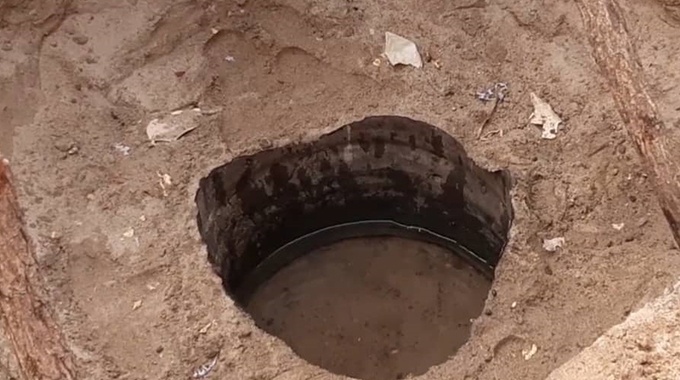
Michelle Moyo, [email protected]
THE ongoing drought in Zimbabwe has severely impacted Isikhunkwa Village in Lupane, devastating local agriculture and leading to significant crop failures and livestock deaths.
Without adequate water resources, families struggle to access basic necessities, increasingly relying on external support from relatives in urban areas or neighbouring countries like South Africa and Zambia. Women bear the brunt of this crisis, often travelling long distances to fetch water, while children face malnutrition and health issues due to the scarcity of food.

Women in Isikhunkwa Village face the daunting task of walking approximately 20 kilometres to access wells and rivers for water. As sources have become increasingly distant, villagers are forced to dig deeper daily, sometimes using ladders to reach water. Unfortunately, this precarious situation has led to livestock falling into these holes and drowning, exacerbating the crisis.
Matabeleland North Provincial Affairs and Devolution Minister Richard Moyo told Saturday Chronicle that the Government will step in and help the people of Isikhunkwa village through food relief and borehole drilling.
Thousands of boreholes have been sunk, some have been solar-powered and equipped under the Presidential Borehole drilling Scheme. The Government is targeting to drill 35 000 boreholes in 35 000 villages across the country.
He said the situation in Isikhunkwa highlights the urgent need for targeted interventions to provide immediate relief and foster long-term resilience in the vulnerable communities.

“It is troubling to learn that some communities are not benefiting from the projects that are intended to uplift rural livelihoods. We must ensure that development efforts reach every corner of Matabeleland, as neglecting certain areas undermines our goals of inclusivity and sustainable growth. Addressing these disparities is essential not only for immediate relief but also for fostering long-term resilience in our agricultural and economic systems,” said the Minister Moyo.
The Presidential Borehole drilling scheme aims to provide immediate assistance and long-term solutions for communities such as Isikhunkwa Village struggling with the effects of the El Niño drought.

By focusing on enhancing water infrastructure and promoting sustainable agricultural practices, the initiative seeks to alleviate food and water shortages, support vulnerable populations, and foster resilience against future environmental challenges.
One of the villagers, Rejoice Moyo, noted that due to water scarcity affecting agriculture, she has been severely impacted to the extent that she can no longer afford to pay school fees for her grandchildren or maintain her standard of living due to the drought.
“As a farmer, I once supported myself and my family, but the devastating drought has left me struggling to make ends meet. I can no longer afford my grandchildren’s education, and feeding them has become a daily challenge. Our community faces a severe water crisis, forcing us to travel long distances to find water. We’re forced to share this scarce resource with our livestock, which are tragically dying daily due to dehydration,” she said.

One of the youth from Isikhunkwa Village, Sikhathazile Mugandi, wore a haunting expression of hunger on her face, a poignant testament to the devastating impact of the drought.
“Water scarcity has become a significant disturbance in our lives. We’re now forced to fetch water from wells and rivers, but our supplies are dwindling day by day. We urgently appeal to the Government to intervene in our water crisis by drilling boreholes, as our community lacks access to this essential resource. This would also contribute to food security, as we’re struggling to find sustenance.
“Furthermore, we request the Government’s assistance in establishing a youth vocational training centre, enabling us to acquire skills and engage in income-generating activities, ultimately achieving self-sufficiency.”
Chipo Gabadela, another villager, shared that she has been forced to seek menial jobs from affluent community members to survive. These tasks include fetching water, performing household chores, and assisting with irrigation, highlighting the desperation faced by many in the community.
“As a mother of four, I’m forced to explore alternative means of supporting my family. After losing my livestock to drought and struggling with crop failure due to intense heat, I’ve turned to running errands for others to make ends meet,” she said.
@Lo7246Lovelyn



 Online Reporter