Online Reporter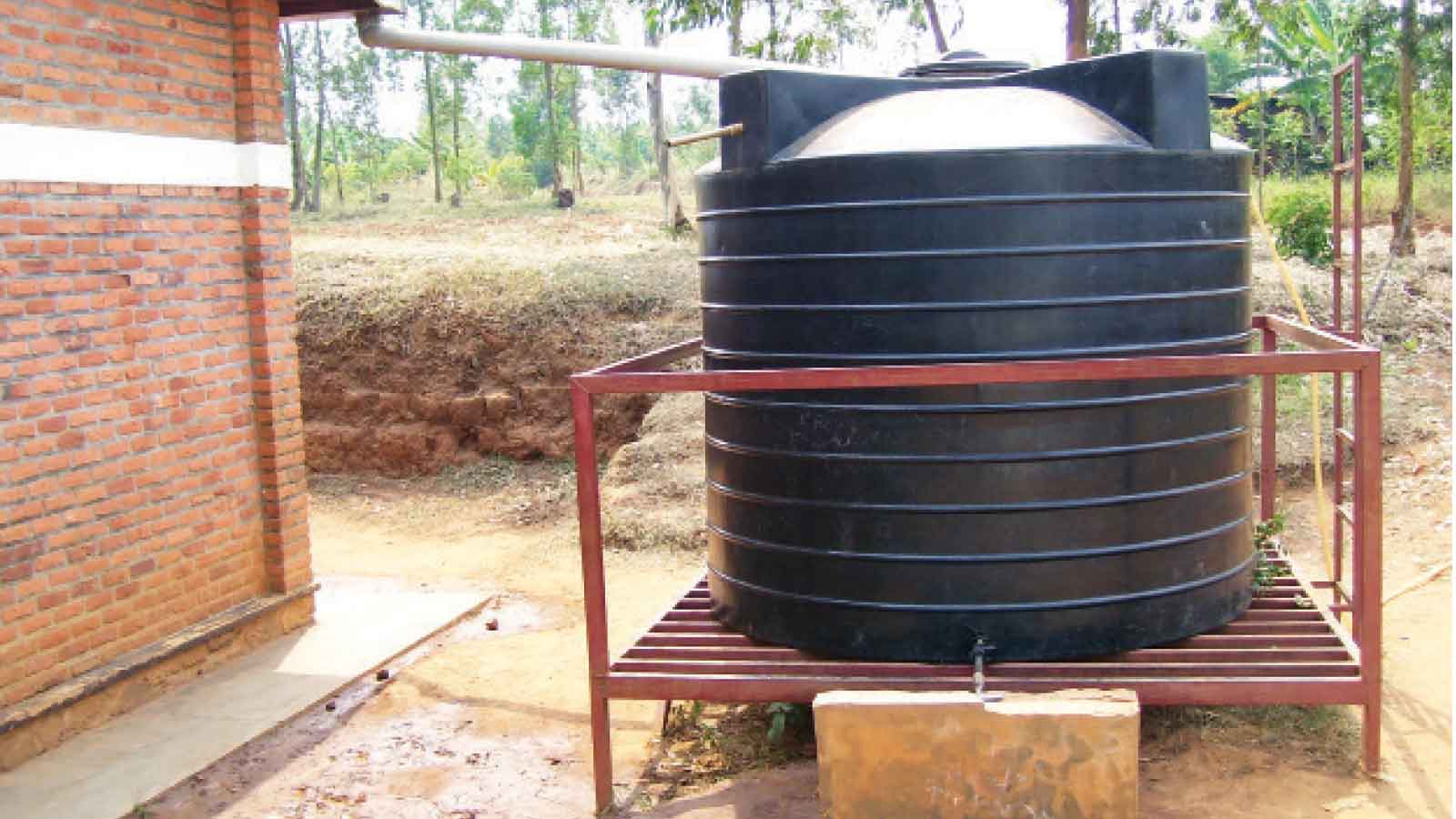
Obert Chifamba-Agri-Insight
FOR a season awash with continuous rains and fields bursting forth with verdant life, thanks to nature’s generosity, farmers can only watch the unfolding situation with a mix of awe and trepidation.
Yes, it is a fact that yields are promising to exceed expectations, but the unrelenting downpours on the one hand, can easily pose significant threats to soil integrity and crop health.
This juxtaposition of lavish growth and looming peril creates a complex portrait of the agricultural landscape, requiring farmers to rethink their approaches to cultivation in an era of unpredictable weather.
Their challenge for now lies in managing these excessive rains that have the potential to turn what could be a dream season into a balancing act of agronomic strategy and weather vigilance.
And true to forecast, the rains falling in this second half of the season fit very well into the normal to above normal categorisation that the weather experts gave us. Their predictions were spot on, and the season has all indications of being a very successful one.
What is, however, worrisome is the stark reality that millions of cubic metres of water are finding their way into the oceans through rivers, with very little effort, if any, to harvest them for future use.
In recent times, we have seen this happening with a lot of run-off making its way into the seas and immediately after that, dry spells have set in ravaging the once vibrant crops to the point of destroying them completely in some cases.
The problem of climate change has brought in a lot of unstable and unpredictable rainfall patterns that require farmers to be always on their toes to respond to threats targeting their enterprises.
Too much rains and dry spells pose serious threats to successful cropping and need farmers to always be proactive and put in place mitigation strategies to lessen the impact.
Harvesting all the water that is being generated as run-off from the heavy rains will bring a lot of benefits for the farmers. It enables farmers to capture and store excess rainwater, thereby reducing flooding on their farmlands. On the one hand, this helps minimise soil erosion and crop damage.
It does not require rocket science for anyone to appreciate the fact that captured rainwater can be stored for future use through providing essential moisture during dry spells after heavy rains. It is also important in improving soil structure and permeability, facilitating better absorption and reducing surface runoff.
The gospel on the importance of water harvesting is not new to anyone. It has been preached for many years yet it seems most farmers have not yet realised the importance of embracing the practice.
Probably, most of them have their minds fixated on water harvesting methods that are fancy and expensive and therefore out of their reach.
This effectively leaves them with a sour taste in their mouths feeling that water harvesting is for the adequately-resourced farmers only and not for those without the means.
It seems most farmers’ problem lies in the fact that they want to do their things solo, and therefore fail to mobilise adequate resources for the projects. There are solutions that they can adopt as groups and help each other out.
They can start off by setting rain barrels or tanks to collect rainwater from roofs. The containers can be made from inexpensive materials and the collected water can later be used for irrigation. They can even install gutters to channel rainwater into barrels positioned beneath downspouts.
Farmers can also dig shallow trenches along the contour lines of the land to slow down water run-off and promote infiltration.
They just need to revive the practice of constructing contour ridges in their fields given that most farmers had in recent times abandoned it. Once they have them, they will need to create trenches spaced appropriately for the slope of the land.
The creation of shallow, ditches (or swales) that direct water across the land to enhance soil moisture by capturing rainwater and allowing it to infiltrate into the soil can also help a lot. The farmer can even excavate small pits or ponds in low-lying areas that can fill with rainwater and benefit crops nearby later.
The Pfumvudza/Intwasa programme’s mulching practice is also coming in handy during times like this. The organic mulch (like straw, leaves, or grass clippings) help retain moisture in the soil after it rains. It works by spreading a thick layer of mulch around crops to reduce evaporation and improve water retention.
Building small check dams in drainages to slow water flow, encourage percolation, and create temporary water reservoirs is also not a bad idea.
For this, the farmers will use local materials like stones or logs to create barriers in small water courses. ,This will trap water every time there is an overflow and allow farmers to use it when it becomes convenient.
These low-cost and straightforward techniques can easily help resource-constrained farmers to effectively optimise rainwater harvesting, enhance soil moisture, and ensure sustainable agricultural practices. They just need to shake off the mentality that such things are only possible with a sound financial investment, which they do not readily have yet it takes some bit of innovativeness only.
The beauty of practising water harvesting is that when integrated with sound agronomic practices, it can lead to improved resilience and productivity. The system makes it possible for farmers to manage excess rainwater, reduce run-off and the risk of flooding in their fields.
By capturing water, the system can play a big role in minimising soil erosion caused by heavy rainfall and surface runoff. The harvested water can later be used for irrigation during dry spells and enhance crop yield and resilience.
Water harvesting is not only helpful to farmers doing their trade on dryland; it can also be utilised by those using irrigation. Harvested rainwater can lower costs associated with water supplies, especially in areas with expensive water resources.
However, in spite of all these positives that come with water harvesting, the mere fact that the practice becomes necessary when there is excessive rainfall also comes with some disadvantages that the farmer has to contend with. There is leaching to take care of; very high possibilities of pest and disease outbreaks that the farmer has to be on lookout for.
The cost that comes with leaching is always telling on the farmer’s finances with the farmer forced to buy more fertilisers to do split applications. He will also need more finances to secure herbicides given that he will not be able to do the usual weeding processes successfully.



 leeroy