Online Reporter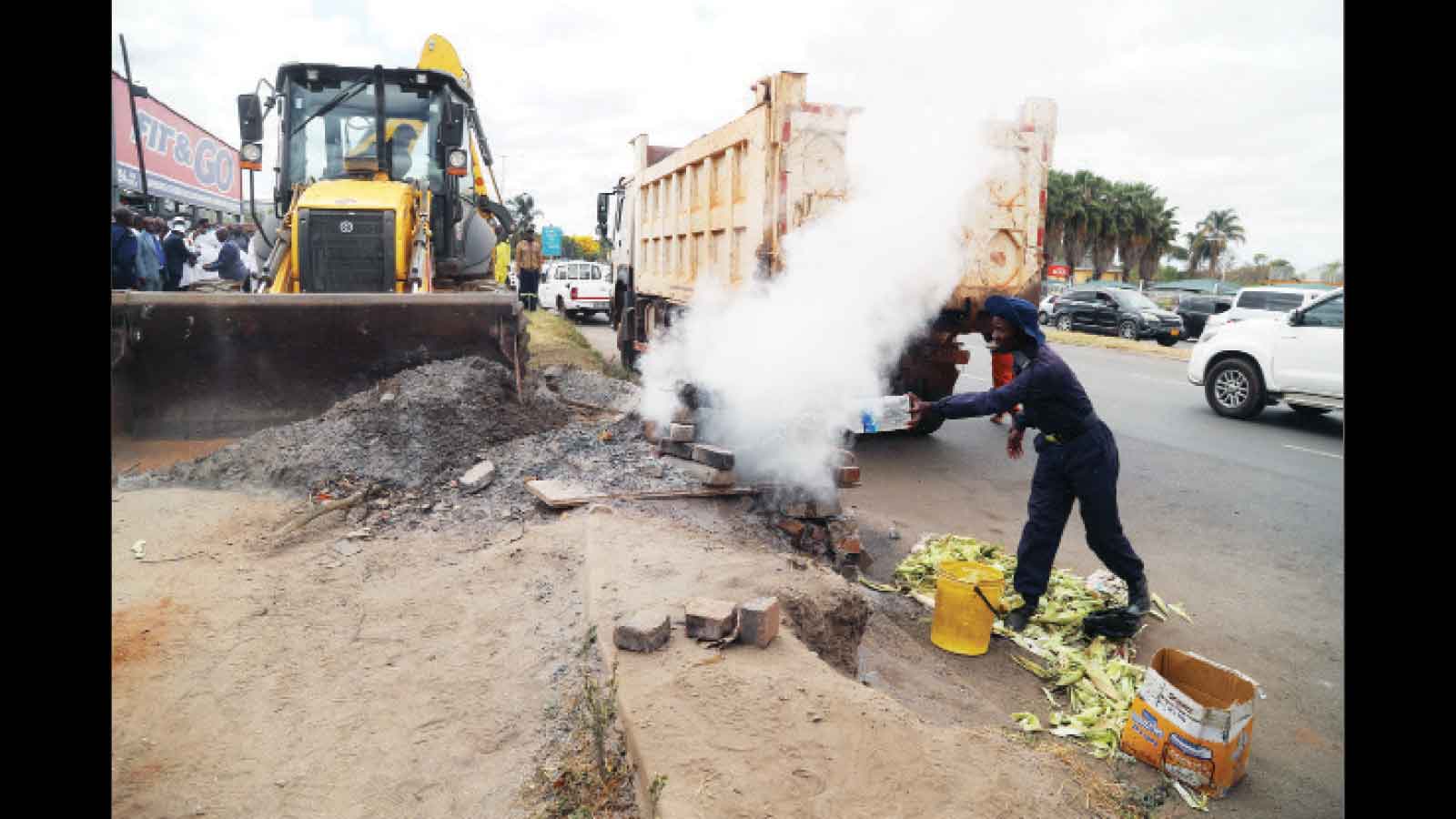
HARARE is a growing city and, with that growth, comes an undeniable reality: vending has become an important part of the urban economy.
Thousands of people depend on selling vegetables, fruits, clothes, food and other goods to put food on their tables.
For many families, vending is not a luxury but a means of survival.
However, the growth of vending does not mean that anything goes.
Harare needs proper, organised and regulated vending if the city is to remain clean, safe and functional.
The answer is not to chase every vendor from the streets but to create an environment where vending can thrive without turning pavements, road verges and busy intersections into chaotic marketplaces.
Proper vending benefits everyone.
For vendors, designated vending sites provide a more secure and predictable environment in which to conduct business.
Instead of constantly looking over their shoulders for municipal officers, vendors can operate knowing that they have a legitimate place to sell their goods.
They can also benefit from better sanitation, water supplies, storage facilities and waste-disposal systems.
For residents, organised vending means safer and more accessible streets. There is nothing wrong with buying tomatoes, vegetables or other goods from a vendor.
The problem arises when vendors occupy pavements and force pedestrians to walk into busy roads, or when trading takes place at intersections where motorists and pedestrians are already competing for space.
This is not merely an aesthetic issue. It is a public safety concern.
Harare cannot afford a situation where vending contributes to unnecessary accidents, blocked drainage systems, littering and congestion.
Food vending in particular requires proper hygiene standards.
People buying cooked food from vendors deserve confidence that the food has been prepared, stored and served under acceptable sanitary conditions. The city authorities therefore have a responsibility to provide adequate vending infrastructure rather than simply conducting periodic crackdowns.
Authorities should identify suitable locations throughout the city and develop properly planned vending markets with stalls, toilets, water points, refuse bins, lighting and security. These facilities should be affordable because excessive fees will only push vendors back onto the streets.
At the same time, vendors must accept their responsibilities.
A licence to trade should come with obligations. Vendors should keep their surroundings clean, dispose of rubbish properly, respect pedestrian space and follow health and safety regulations.
Those who repeatedly violate the rules should face penalties, while those who comply should be protected from harassment and unnecessary disruption.
There is also a need for dialogue between vendors, residents, business owners and city authorities. Small traders should not be treated as enemies of urban development.
They are part of Harare’s economic ecosystem.
The challenge is to integrate them into the city rather than allowing uncontrolled vending to undermine the city’s infrastructure.
Harare should aspire to become a city where formal businesses and small traders can coexist.
Proper vending can create employment, improve access to affordable goods and provide opportunities for thousands of Zimbabweans who might otherwise have no source of income.
The solution, therefore, is not to eliminate vending. It is to organise it.