Online Reporter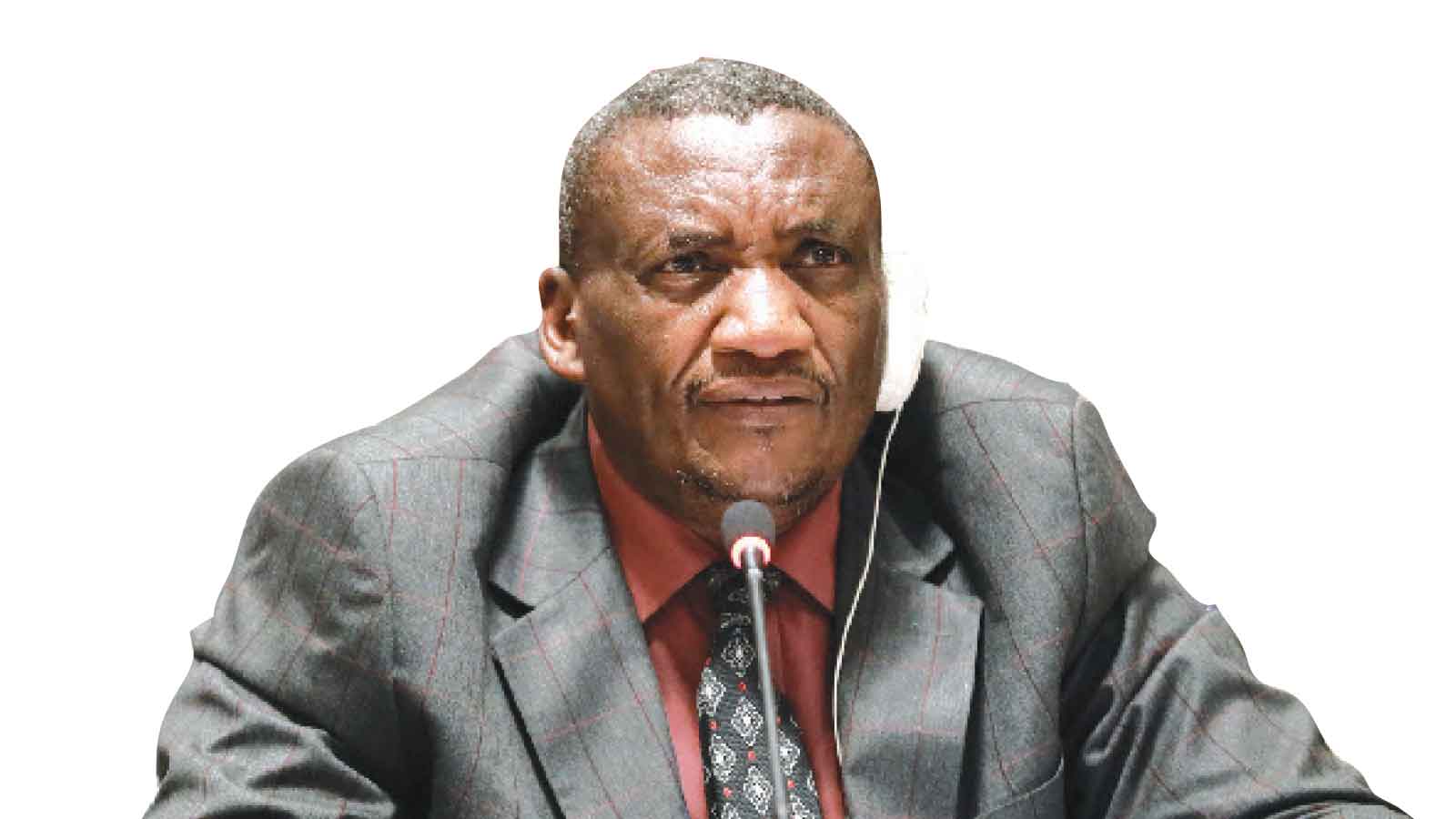
OVER the past weeks, abundant rains swept across Zimbabwe, bringing a much-needed reprieve for farmers. However, the downpours also unleashed a trail of destruction, resulting in tragic, rain-related fatalities and significant damage to property. These challenges are not unique to Zimbabwe, as several other Southern African nations are grappling with similar severe weather conditions. To discuss the Government’s response, Zimbabwe Television Network reporter Faith Nyaude discussed these issues last Wednesday with the Chief Director of the Department of Civil Protection, Mr Nathan Nkomo. Below are extracts of the interview.
**********************
Q: Chief Director, following the Meteorological Department’s warning about potential heavy flooding, give us what your department has recorded in terms of associated fatalities, injuries or property destruction nationwide.
A: Thank you very much. I’m sure, from the statistics that we have recorded there have been fatalities.
When the rainfall season started, we welcomed it. We did so because we have graduated from previous years of devastating drought disasters.
Even last year, the overall season was not good.
So this year, we were so happy to receive all of this rainfall that we are having in the various provinces.
However, it is sad that we have recorded fatalities. We have recorded injuries of people, during this rainfall season from October to January.
And in terms of fatalities, we now have 79 people. I just received information of one person who died in Chipinge this morning. So, we are giving the statistics regularly. It is a sad development that we are now at 79 people who have perished as a result of this rainfall season.
We wish all these deaths could have been avoided.
In terms of injuries, quite a number of people were injured, especially the recalcitrant elements who try to cross flooded rivers. They end up having injuries, but some were also affected when they were doing other related activities, especially economic activities related to mining.
Q: So, you are saying the risk factor for miners currently is quite high?
A: You know, when it comes to our artisanal miners, some mine along waterways and their mines collapse.
And that’s where we also witnessed some injuries. But even accidents, there are some accidents which you could associate with the rainfall season because of poor visibility, because of poor roads and so forth.
Q: Now, in terms of damages that have occured or the extent of damages on buildings, can we put that in monetary value?
A: From the BOQs (Bill of Quantities) that we got from the provinces and looking at some of the infrastructure which was destroyed, we can now put it to around US$1 million. We have had cases where some roads were washed away, some bridges were washed away. That is why we are putting the figure at over US$1 million.
Q: Since the Government availed funds to help mitigate the challenges. Is that money enough and how has it helped out so far?
A: That money is not enough. But from the information that we got from the Minister of Finance (Economic Development and Investment Promotion), which is our Treasury, it is the first tranche which they’ve given us. They have indicated that they are likely to give us another tranche this month.
So, we are so happy that after we came up with the plan that we have in place, which is the National Multi Hazard Plan, we have received some funding.
Now, what we need to do is to carry on with implementing this plan.
Q: How do you collaborate your work with other departments, or rescue operators when these disasters actually happen?
A: Let me clarify: the issue is not one of willingness to collaborate on rescue missions. The institutional framework makes this collaboration inherent.
The Ministry of Home Affairs (which oversees our sub-units) and the Ministry of Defence, including the Zimbabwe Air Force, are integrated by statute.
In fact, the Minister of Defence sits on the 19-member Standing Cabinet Committee on Environment, Disaster Prevention and Management.
Therefore, when addressing disaster risk management, a multi-sectoral approach is not just policy, it is mandated by our Civil Protection Act and further reinforced by the separate statutes governing the Defence Forces and the Police Service.
Q: Please give us a word of advice again, in terms of what precautions people should be taking during these times when we are expecting a lot of natural disasters.
A: Let me say from our National Multi Hazard Contingency Plan, we knew that January, February, March would be the highest peak of our rainfall season in this country.
And looking at what is happening, you know, our neighbouring countries, we all know that this country will also not be spared.
What has happened in Mozambique and Malawi so far has been worse than us.
But, I want to say, we are now fully prepared for any eventuality and we are well-prepared to avoid calamities.
The core issue is the gap between information, knowledge and wisdom.
These represent three distinct levels of understanding.
People should also know that disaster risk management is not a responsibility of the Department of Civil Protection alone, but is also the responsibility of every individual to ensure that he or she protects herself.



 Bongani Ndlovu