

 Bongani Ndlovu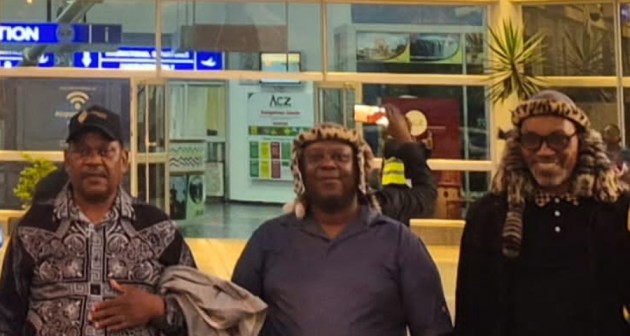
Our Own Correspondent
The arrival of the Zulu Royal Kingdom delegation to the iMiklomelo kaDakamela Cultural Festival in the Nkayi District in Matabeleland North marks more than just a ceremonial event; it marks a new era in the strengthening of cultural unity between the two nations, signifying a new and bold chapter in the preservation and celebration of the rich cultural heritage and identity of the people of Africa.
The iMiklomelo kaDakamela Cultural Festival, inspired by the Ubuntu philosophy, continues to stand out as a powerful movement in the celebration and preservation of heritage.
From the Camping Village to the Chief Dakamela Bush Dinner, cultural displays, music, and the awards ceremony, the festival has grown to become a symbol of excellence and development in the countryside.
This year’s event has been built on a foundation established last year. For instance, the Chief Dakamela was a guest of honour at the royal wedding ceremony of His Majesty King Misuzulu kaZwelithini Zulu and his wife, the Queen, Nomzamo Myeni.
For the chief, the event was more than just a celebration of love; it was a cultural event and a powerful platform for cultural networking and the preservation of the rich cultural heritage and identity of the people of Africa.
What is next? Where to from here?
The Chief Mbusi Bhekithemba Dakamela has already indicated a desire to see more cooperation and collaboration between Zimbabwe and the Zulu Kingdom, citing the cultural links and bonds that connect the two nations.
Chief Jubane, representing Zimbabweans in South Africa, has indicated that the way forward lies in unity and mutual respect, acknowledging the leadership in both Zimbabwe and the Zulu Kingdom.
“What we are witnessing today is not just cultural exchange; it is the rebuilding of the bridge which has always existed between our people,” said Chief Jubane.
“The Zimbabweans and the South Africans share history, values, and traditions which cannot be divided by borders.”
He further emphasised the need to ensure that this cultural collaboration was integrated with the national development agenda:
“As Zimbabweans in South Africa, we are deeply appreciative of the environment created by both governments which has allowed such interactions to take place. We must respect the laws of South Africa while at the same time proudly embracing our Zimbabwean identity. This is the key to creating a future which benefits both countries.”
Chief Jubane went on to paint a positive picture of the prospects for such collaborations in the future:
“The future requires more than just festivals; it requires programs which empower our youth, promote cultural education, and create economic opportunities which are built on our heritage. The festivals like iMiklomelo kaDakamela must be the launch pads which create the foundations for our sustainable future.”
Chief Jubane concluded his speech with a message of hope and unity, “if we continue on this path, we not only preserve our culture; we raise it to heights which not only make our nation proud but raise African pride, innovation, and unity to the next level.”
Speaking on behalf of the Zulu Royal Kingdom, the King’s spokesperson, Prince Thulani Zulu, emphasised the importance of the collaborations from the African continent point of view.
“This moment reminds us all that African kingdoms and communities have always been connected. Our history has been intertwined throughout the ages. Today reminds us that our future must be built in unison.”
He further emphasised the importance of cultural diplomacy in the African continent.
“When we come together as Africans, not just as nations, but as people, we unlock the potential for meaningful progress. Culture is not just about tradition; it is a foundation for economic growth, social cohesion, and identity.”
Prince Thulani Zulu also touched on the importance of leadership in bringing about unity among the people.
“We commend both the South African and Zimbabwean governments for supporting environments where cultural exchange can thrive. This cooperation must continue, as it strengthens not only our diplomatic relations but also the bonds between our people.”
Prince Thulani Zulu then concluded with a clear and powerful message regarding the future and how Africans can work towards unity and cooperation.
“Let this not be the end of an event, but the beginning of a movement. A movement where Africans recognise their shared strength, celebrate their diversity, and work together to build a prosperous and united continent.”
With iMiklomelo kaDakamela, Cultural Festival set to be over in few days to come. However, what is left is a clear and defined direction towards unity and cooperation. This is no longer about holding on to the past but about building a future where culture is not about divisions but about unity and cooperation. This is no longer, about whether Africans will work together but about how far Africans will work together.
The momentum generated by the iMiklomelo kaDakamela Cultural Festival comes at a time when Zimbabwe is placing renewed national focus on heritage through its annual Culture Month.
Observed from May 1 to 31, the Programme has evolved into a nationwide platform for celebrating identity, diversity and creative expression.
Spearheaded by the National Arts Council of Zimbabwe, the commemorations now span all 10 provinces under the enduring theme of inclusivity and cultural unity.
What began as a week-long observance has grown into a full month of activities, allowing for deeper participation and broader community involvement, with the 2026 programme set to culminate in the Zimbabwe Heritage Festival on May 30.
Preparations for this year’s flagship national celebrations are already underway, with Bulawayo Metropolitan Province designated to host the main event.
The rotational hosting model, which has seen provinces such as Masvingo, Manicaland and Matabeleland North take turns in recent years, reflects the inclusive ethos underpinning Culture Month.
Beyond the headline celebrations, the initiative has matured into a dynamic national movement that unites communities through exhibitions, performances and cultural showcases, while safeguarding indigenous knowledge systems and encouraging artistic innovation across generations.
Against this backdrop, the growing cultural collaboration between Zimbabwe and the Zulu Royal Kingdom signals a natural extension of this national vision into a broader regional framework.
The spirit of unity and shared heritage highlighted during the iMiklomelo kaDakamela Cultural Festival aligns closely with the objectives of Culture Month, fostering social cohesion, empowering communities and strengthening identity through culture.
As Zimbabwe looks ahead to its 2026 celebrations, such cross-border engagements reinforce a clear trajectory: one where cultural diplomacy, youth empowerment and heritage-driven economic opportunities are not peripheral, but central to building a more connected, resilient and united African cultural landscape.


 Online Reporter