

 Online Reporter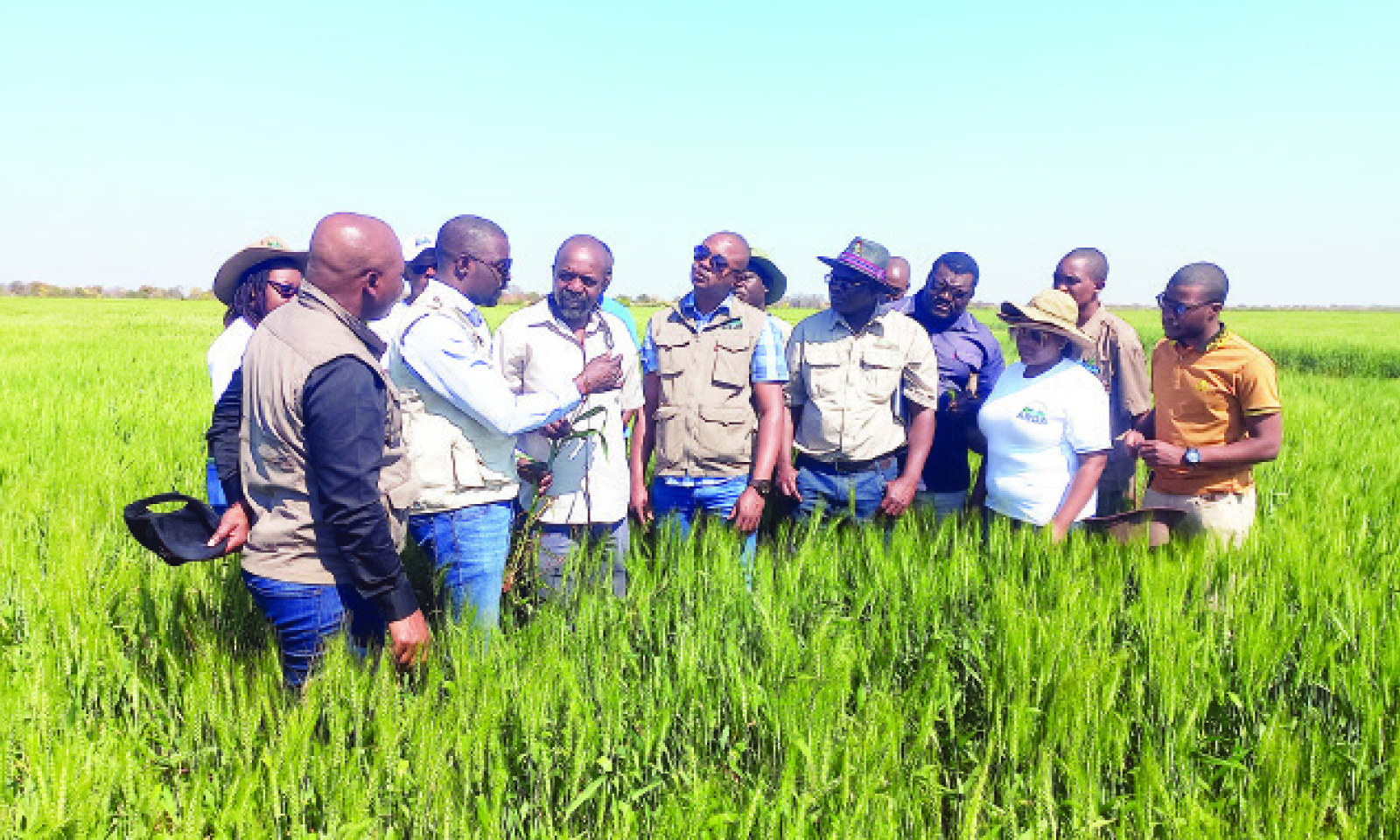
Precious Manomano
Herald Reporter
Zimbabwe is poised for a significant boost in wheat exports, projected to generate between US$100 million and US$150 million annually.
This increase comes as the country aims to enhance its wheat production, which is expected to grow from 778 000 tonnes in 2026 to 1 388 000 tonnes by 2030.
Wheat holds a vital place in Zimbabwe’s agricultural landscape, ranking as the second most consumed cereal after maize.
However, traditional grains cumulatively surpass wheat consumption.
The country relies on domestic production of soft wheat and imports 30 percent of its hard wheat needs for blending purposes, yet the focus has shifted towards utilising 100 percent locally produced wheat for high-quality bread manufacturing.
According to the Agriculture Food Systems and Rural Transformation Strategy 2 (2026-2030) the wheat value chain is expected to contribute 3percent of total Agriculture Gross Value in 2026, increasing to 3.4percent by the 2030 growing season.
“The gross value of wheat production is projected to rise from US$342,320 million to US$ 541,320 million by 2030, reflecting increased investment and focus on this crop sector,” noted the strategy.
To support these ambitious goals, Zimbabwe’s Strategic Grain Reserve is set to maintain 1,5 million tonnes, which includes 400 000 tonnes of wheat alongside maize and traditional grains.
An additional irrigation target area of 496 000 hectares by 2030 is expected to further enhance production capabilities.
Lands, Agriculture, Fisheries, Water and Rural Development permanent secretary Professor Obert Jiri said the country is eyeing foreign markets following a record-breaking winter cropping season that has seen the country exceed national targets and secure surplus stocks.
“We now have another surplus of wheat in our storage facilities,” he said.
“So we can think of exporting the wheat.
“Even before the drought, we had inquiries, particularly from Mozambique and Rwanda.
“There is nothing that stops us from exporting the wheat. Of course, we must consider the economics how much we will export it at, and so forth but we are ready.”
Zimbabwe and Ethiopia are the only two African countries achieving self-sufficiency in wheat production, positioning Zimbabwe strategically for regional exports. Despite an annual consumption of 360 000 tonnes, the additional production provides an avenue for surplus sales to neighbouring markets.
This year farmers have produced 639 942 tonnes exceeding the national target of 600 000 tonnes.
Statistics from the Agricultural Rural Development Advisory Services indicate that Mashonaland West produced 188 541 tonnes from 35 296 ha, Mashonaland Central 162 646 tonnes from 27 833 ha, Mashonaland East 123 850 tonnes from 22 761 ha, Manicaland 53 354 tonnes from 13 542, Midlands 60 342 tonnes from 11 966 ha, Masvingo 18 354 tonnes from 4 736 ha, Matabelaland North 14 542tonnes from 2 384 ha and Matabeleland South 18 309 tonnes from 3 494 ha.
In 2021 the production more than doubled, reaching 213 000 tonnes.
This upward trend continued as farmers harvested 375 000 tonnes in 2022.
By 2023, production increased further to 467 905 tonnes.
Last season in 2024, wheat production reached 563 961 tonnes.
The success in wheat production can be attributed to a combination of strategic interventions and supportive Government policies that aimed to create an enabling environment for farmers.
One of the most significant factors was the improved access to financial services, which allowed farmers to obtain the necessary inputs and resources in a timely manner.
This financial support was complemented by the Government’s measures to ensure that farmers received their agricultural inputs without delay.
By prioritising essential resources such as seeds and fertilisers, the Government laid the groundwork for a successful harvest.
Moreover, the Government’s collaboration with key stakeholders played a crucial role in this achievement.
Notably, partnerships with ZESA (Zimbabwe Electricity Supply Authority) and ZINWA (Zimbabwe National Water Authority) were instrumental in providing uninterrupted electricity supply and adequate irrigation water, respectively.
The strategy to enhance wheat production involved tracking 21 key enablers during the winter season.
These included prioritising electricity supply for farmers, implementing improved water management practices, and focusing on pest control measures.
Additionally, access to seeds, fertilisers, finance, and modern farming equipment was enhanced.



