Theseus Mauruki Shambare
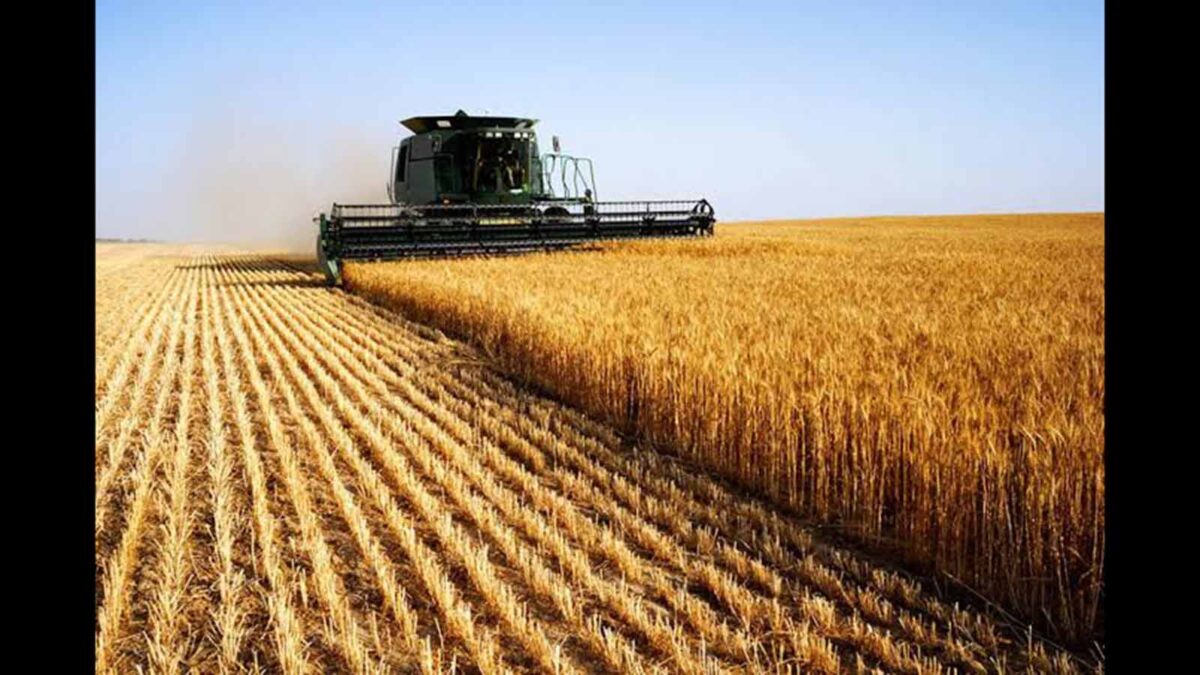
FARMERS have harvested 234 144 tonnes of wheat, representing 35 percent of the national target of 662 500 tonnes, as Zimbabwe moves to secure its record winter crop and sustain domestic wheat self-sufficiency.
The latest 2026 Winter Wheat Harvesting Report, as of Saturday, October 16, shows that 46 745 hectares have been harvested from the 130 316 hectares planted, at an average yield of five tonnes per hectare. The country surpassed its initial planting target of 125 000 hectares by more than 5 000 hectares, reflecting increased participation in winter wheat production.
In an interview, Agriculture, Mechanisation and Water Resources Development Permanent Secretary Professor Obert Jiri said the priority was to ensure that the mature crop was harvested and delivered safely. He noted that the Government had strengthened coordination with contractors, financial institutions, and farmers to improve harvesting operations.
“We have collaborated with all contractors, financial institutions and farmers to optimise combine harvester logistics, secure moisture management, and enforce strict fire prevention protocols to ensure that every single grain harvested safely enters the strategic national grain reserves to consolidate Zimbabwe’s flour self-sufficiency,” he said.
Prof Jiri stated that harvesting efficiency depended on farmers making adequate preparations before machinery reached their fields.
“We are therefore urging farmers, contractors and other stakeholders to coordinate with our agricultural business advisors, prepare their fields and ensure that harvesting arrangements, including fuel and transport, are in place before machinery arrives,” he said. “Our objective is to ensure that every combine harvester is productively utilised and that the entire mature crop is secured in good time.”
Mashonaland West leads provincial production with 77 360 tonnes, followed closely by Mashonaland Central with 75 487 tonnes. The two provinces have jointly contributed 152 847 tonnes, accounting for about 65 percent of the national harvest. Manicaland has produced 27 102 tonnes, Mashonaland East 16 090 tonnes, Midlands 13 800 tonnes, Matabeleland North 9 584 tonnes, Matabeleland South 8 748 tonnes, and Masvingo 5 973 tonnes.
Zimbabwe’s expanding winter wheat programme has been supported by irrigation development, mechanisation, improved seed varieties, financing arrangements, and increased participation by commercial and smallholder farmers. The Government has mobilised 150 megawatts (MW) of ring-fenced electricity to support agricultural production, while more than 256 958 hectares of irrigable land have been prepared.
Beyond wheat, the agricultural programme is targeting 6 500 hectares under barley, with an expected production of between 45 500 and 50 000 tonnes. Irish potato output is projected at 243 850 tonnes from 9 000 hectares.
With 83 571 hectares still awaiting harvesting, Professor Jiri emphasised that the immediate priority is to prevent losses through efficient harvesting, grain moisture management, and fire prevention as Zimbabwe consolidates its domestic wheat production gains.