Online Reporter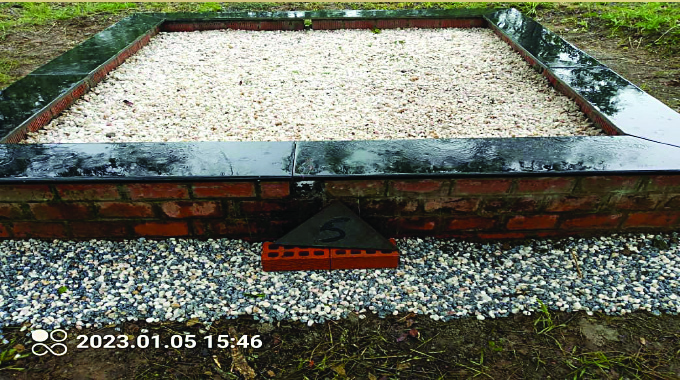
Robin Muchetu, Health and Gender Editor
VISITING a gravesite is often viewed as an unpleasant experience, evoking feelings of finality, bleakness and the absence of life.
However, for a dedicated group of women who fought for Zimbabwe’s liberation, this act has become a profound ritual that sustains hope. The gravesite, in this context, stands as their enduring source of inspiration, decades after the war was fought and won.
19 October 1978, remains a tragic date for the young women who were based at Mkushi Camp in Zambia, where they were bombed just before midday. Many lost their lives that day and the survivors continue to honour their memory by visiting the mass graves, seeking solace and remembrance.
A survivor’s reflection
Cde Otilia Sibanda whose pseudonym name was Mirora Shumba from Halisupi, Manama in Gwanda District in Matabeleland South Province was among the fortunate to survive the Mkushi bombing. She recounts the day through a melancholic song that captures the sombre mood:
“Laphuma lababahle, indlela yonke yayinhle (the sun rose and was beautiful), laphenduka laba bomvu (it then turned red), ngiyakutshela mzalwane, kwakubuhlungu lomhlwa (I tell my brother, it was a painful day).
Ngathi ngiyabheka enyakatho le mpumalanga ngabona abafana behlezi betshonise amakhanda phansi, kwakubuhlungu lomhlwa (when I looked east, I saw others with heads bowed — it was a sad day indeed).”
She explains that the song reflects the day’s stark transformation — from a peaceful morning to one overshadowed by destruction and loss:
“The song explains itself, the sun rose beautifully on that day as usual and we had nothing to worry about, but within a short space of time, it all turned red, the skyline was red from the smoke and flames of the bombs and the burning of the bush such that the sun was no longer as visible and beautiful as it was and as it should be, people had died,” she said.
Honouring fallen comrades
For Cde Sibanda and other survivors, visiting the mass graves in Zambia has become an annual tradition — an act of remembrance and respect. These visits serve as a reminder of their shared bonds forged in the bush and their collective dream of a free Zimbabwe.
“We remember our heroes and heroines. We were like a family in Zambia, united in spirit and purpose — to see Zimbabwe liberated. Many of our comrades did not return home, buried outside the country,” she reflects.
As Heroes Day approaches, Cde Sibanda and her fellow survivors are often moved to revisit these sites, recalling those who paid the ultimate price.
“They emphasise the importance of maintaining the memory of these sacrifices, not just through remembrance but also through tangible acts like cleaning the graves and laying wreaths.
“We sing, dance, pray and honour them — these acts of love and sacrifice are vital,” she says. “Young women and girls left home to fight, often never seeing the liberated Zimbabwe they fought for. That legacy must never be forgotten.”
The spirit of sacrifice
Their visits reaffirm their motivation — knowing that their fallen comrades died for the freedom they now enjoy. Cde Sibanda recalls the bonds formed during training, sharing everything from meals to trenches and how that spirit still lives in them.
“We remember them always, mind you, these were young girls, we were lucky to survive the Mkushi bombings, today we have children and grandchildren, I often imagine how some of my peers would have been today, also enjoying being with family like we are doing. It touches me so much.
“The number of mass graves in Mkushi shows you the volume of girls that died on that day,” she said with a crack in her voice.
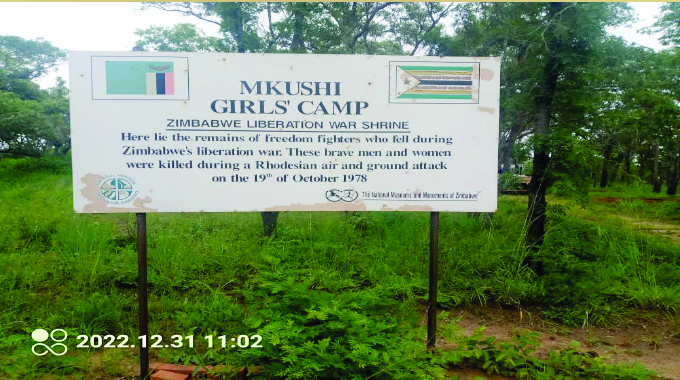
“We gather at Heroes Acres across the country every year to commemorate Heroes Day in August, remembering gallant sons and daughters of Zimbabwe, laying wreaths on their graves and ensuring they rest respectfully. We ask ourselves who then is doing the same for comrades who are in Zambia, far from us? We realise we are their friends and are their relatives who are still alive and have to go and see where they are sleeping and ensure it is presentable and we also lay our wreaths too,” said Cde Sibanda.
“Their sacrifice inspires us to push harder. We should visit Zambia during Heroes Day because we are one family. We honour their memory and ensure their sacrifices are remembered,” she affirms.
Challenges and hope for the future
Despite their dedication, the women face logistical and financial hurdles. The trip to Mkushi, about 300 km from Lusaka, requires significant resources — funds for travel, accommodation, and sustenance — that their current circumstances do not always permit. The Covid-19 pandemic further disrupted their tradition, but they remain hopeful to continue their visits.
“We call on the Government and donors to help us make these trips possible,” Cde Sibanda appeals.
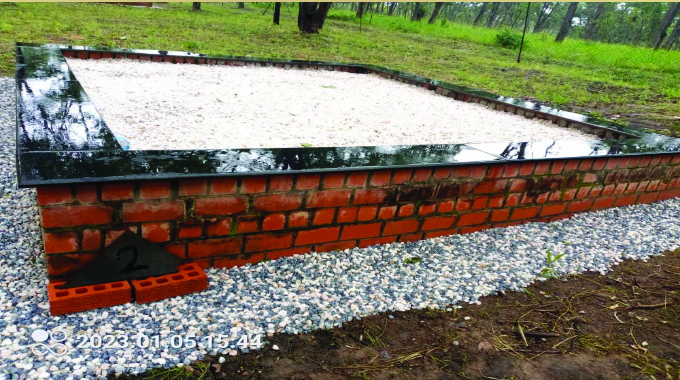
“We want to go back in 2026 and see the renewed gravesite, which the Government has recently refurbished.”
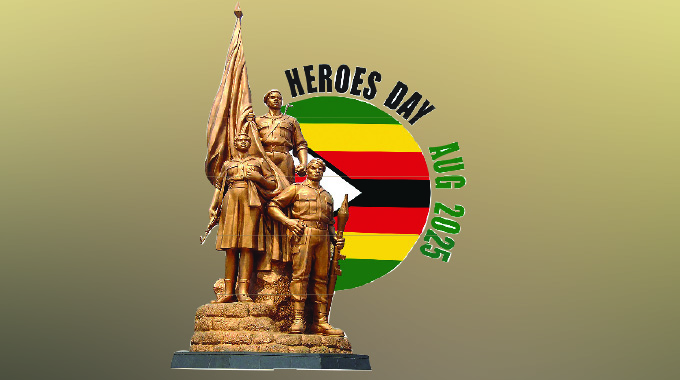
She praised the recent renovations, which she says bring dignity to the resting places of their fallen heroines.
“All we wanted was a respectable site to honour them and now it’s been done. We hope to visit again in larger numbers, with a bus and pay our respects once more.”
The importance of preserving history
Cde Ntombiyakhe Ndlovu, also known as “Luzibo Gumbo,” from Plumtree, also a survivor of the 1978 bombings, emphasises the importance of keeping this history alive.
“We need to see where others remain and have their names etched on plaques.
“This history must be captured for future generations,” she urges.
“Young people must understand that we are here because of grace and many lost their lives in that moment.”
She stresses that the youth, as future leaders, must visit these sites to appreciate the sacrifices made and the hardships endured.
“During the struggle, there was no comfort, but we fought just like the men. It’s crucial that they understand and honour our history.”