Online Reporter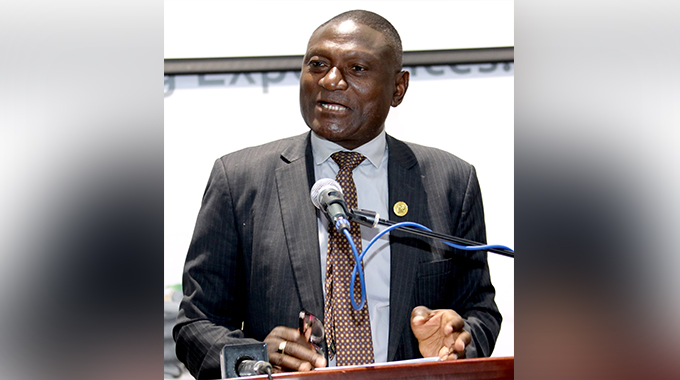
Sukulwenkosi Dube-Matutu, Sunday News Reporter
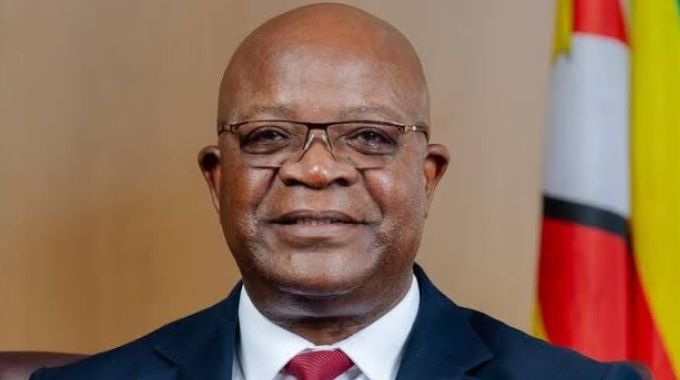
MATABELELAND South Minister of State for Provincial Affairs and Devolution, Albert Nguluvhe has called for a grassroots-driven approach to promoting gender equality, urging communities to uphold human rights from the household level.
Speaking during the Matabeleland South Provincial gender forum held in Gwanda on Thursday, Minister Nguluvhe emphasised that the national gender dialogue must be entrenched in communities to effectively shift mindsets and drive lasting change.
“I believe this issue of gender equality should start from the grassroots, just as development should start from the grassroots. If we are to talk of gender equality or gender sensitivity, we ought to go to the villages because that’s where it’s starts,” he said.
“We must have people change their behaviours and conception on gender equality from the household level and then move to community, village, ward, district, province and then national level.”
The provincial forum is part of a nationwide initiative by the Zimbabwe Gender Commission (ZGC) to gather diverse stakeholder input on gender equality issues ahead of the National Gender Forum, a statutory requirement under Section 8(1) of the Zimbabwe Gender Commission Act (Chapter 10:31).
This year’s forum runs under the theme: “ZGC @10: Reflecting on Achievements and the Future for Gender Equality in Zimbabwe.”
The theme recognises the Commission’s 10-year journey and sets the stage for a visionary future in advancing gender rights and eliminating inequalities.
Minister Nguluvhe commended the ZGC’s efforts in advocating for gender equality and eliminating discrimination.
“The increased representation of women in leadership, both in Government and communities, is a testament to the collective strides we have made. Initiatives promoting girls’ education and women’s empowerment have opened doors that never existed before,” he said.
Speaking at the same event, ZGC deputy chairperson, Commissioner Obert Matshalaga, reflected on the Commission’s work over the past decade. He acknowledged major milestones but noted that serious challenges remain.
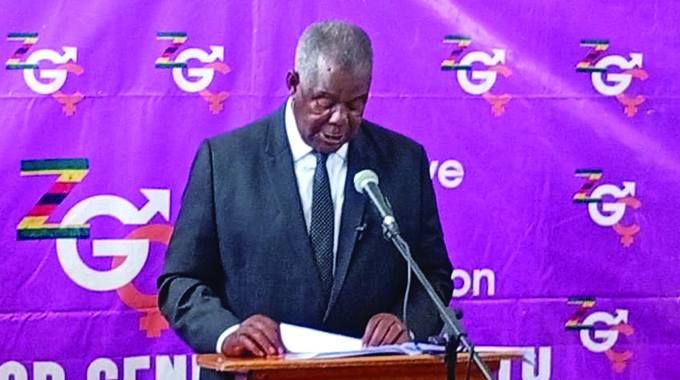
Commissioner Matshalaga said the Commission has handled over 4 000 gender-related complaints, including land and property disputes, child marriages, chieftainship conflicts, discrimination, sexual and gender-based violence (SGBV) and sexual harassment in the workplace, which emerged as the most frequently reported violation.
He stressed the importance of integrating gender equality into Zimbabwe’s broader development agenda, particularly as the country transitions from National Development Strategy 1 (NDS1) to NDS2.
“As we reflect on our achievements, we must also confront the persistent gaps that hinder progress. Women face systemic barriers, unaffordable and complex justice systems, under-representation in leadership and economic exclusion,” he said.
Commissioner Matshalaga also highlighted that energy poverty, maternal health risks and the impact of climate change disproportionately affect women, while men’s and youth mental health needs remain critically under-addressed.
He noted that most gender-based violence continues to threaten the safety and dignity of several Zimbabweans.
Commissioner Matshalaga said some of the achievements that have been recorded by the commission include holding institutions accountable through rigorous monitoring of gender equality compliance across sectors.
He said they have also advocated for greater gender balance in leadership, which has seen progress with some entities taking corrective measures to address gender inequalities in policy content, structures and practice.
Commissioner Matshalaga said their intervention has also accelerated women’s political empowerment through the Women Rise in Politics programme, which has equipped aspiring female leaders with critical campaign skills and political acumen, shattering long-standing barriers to their engagement in governance processes.
@DubeMatutu