Online Reporter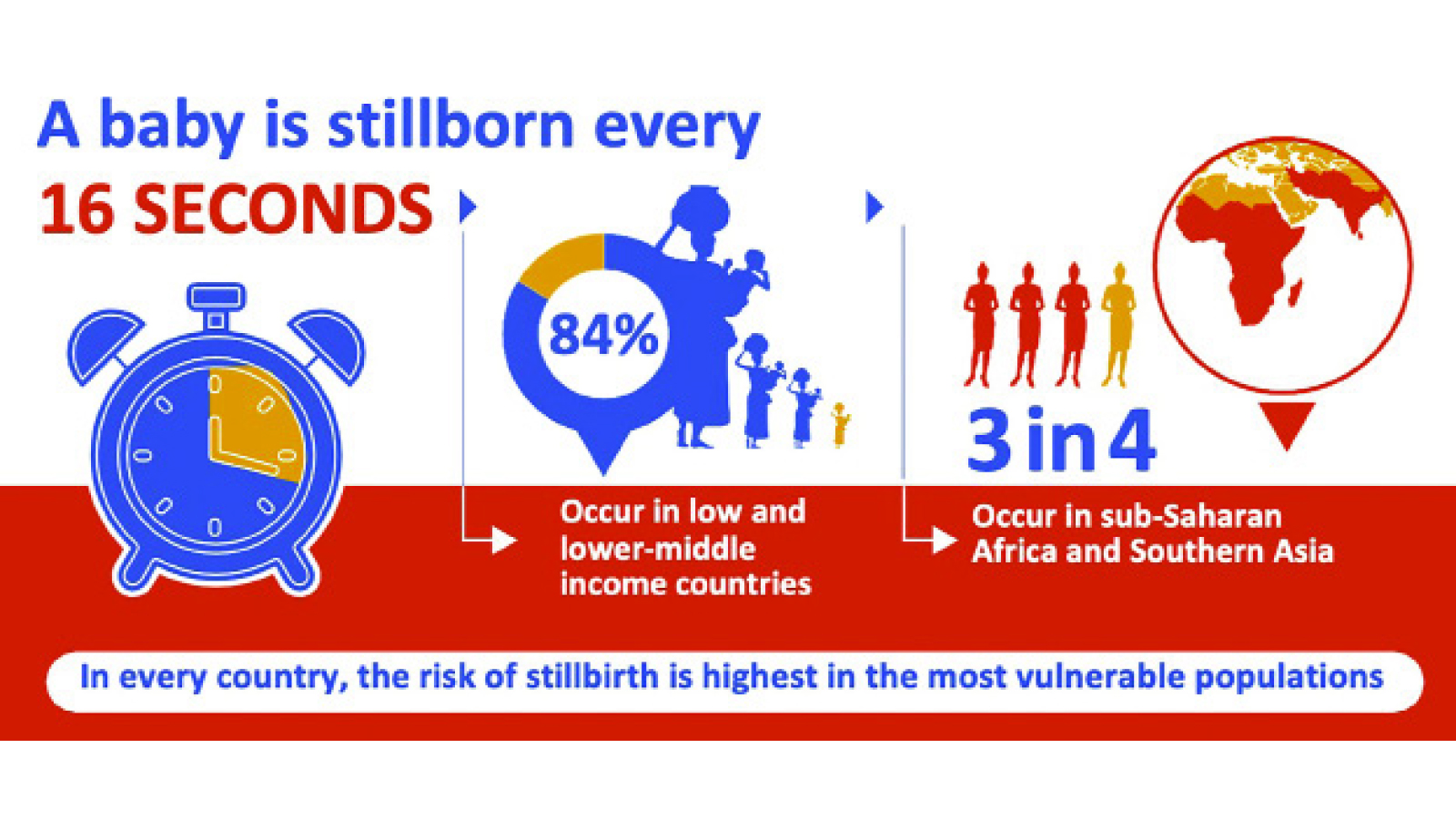
Rumbidzayi Zinyuke-Health Buzz
The delivery room is meant to echo with the first cries of life, but for many families across Africa, that moment never comes.
A mother’s long hours of labour end in silence and grief. This is a pain that thousands of women know too well, yet few talk about.
Across the African continent, nearly a million babies are stillborn every year. Most of these deaths are preventable. Yet they occur in quiet corners of clinics and homes, unrecorded, unspoken, and often misunderstood.
A recent regional report by the Africa Centres for Disease Control and Prevention (Africa CDC), produced in collaboration with the University of Cape Town, UNICEF, and the London School of Hygiene and Tropical Medicine, has brought this silent tragedy into sharp focus, exposing the urgent need for stronger health systems, better data and compassionate care.
Globally, almost 1,9 million babies are stillborn each year, one every 16 seconds. Sub-Saharan Africa carries the greatest share of this burden, accounting for nearly half of all stillbirths worldwide.
The region’s stillbirth rate is up to 10 times higher than that of high-income countries and progress toward reducing it has been painfully slow.
Stillbirths are more than a personal loss; they are a reflection of how well a health system serves its people. They mirror the quality of antenatal, intrapartum and emergency obstetric care, revealing gaps that claim lives at their most vulnerable moments.
In Zimbabwe, the situation remains concerning. The country records an estimated 16 stillbirths for every 1 000 births, compared to a global average of 13,9.
These figures translate into thousands of babies lost each year and many more unaccounted for due to weak reporting systems and home deliveries outside formal healthcare structures.
The Africa CDC report highlights how stillbirths remain largely invisible in national health statistics. Although most African countries record stillbirths through their health systems, major weaknesses persist in how data is collected, verified and used for planning. Out of the 33 countries reviewed for the report, only 17 publicly report stillbirth data, meaning millions of losses go unnoticed by policymakers.
This invisibility makes it difficult to hold systems accountable or design interventions that target the real causes. The report emphasises that without accurate data, governments cannot fully understand the scale of the problem or measure progress toward prevention.
In Zimbabwe, stillbirths are captured through systems such as the District Health Information System (DHIS2) and the Health Management Information System (HMIS). However, underreporting remains a challenge, particularly in rural and remote areas. Civil registration systems are often incomplete, and coordination between data sources is weak. The result is an incomplete national picture that masks the true extent of the tragedy.
The vast majority of stillbirths in Africa are preventable. The World Health Organisation identifies key causes such as complications during labour and delivery, infections like malaria and syphilis, maternal health conditions including hypertension and diabetes as well as foetal growth restriction linked to malnutrition or poor antenatal care.
In Zimbabwe, as in many African countries, these factors are compounded by late access to healthcare. Many women begin antenatal visits late in pregnancy or fail to complete them due to cost, distance or cultural beliefs. Others deliver at home because health centres are too far away or because of their religious beliefs.
Stillbirth is not only a medical event; it is a deeply emotional one. Yet across much of Africa, it remains surrounded by stigma and silence. Cultural beliefs often prevent families from speaking openly about their loss. Some communities associate stillbirths with curses, bad luck, or moral failure, making it difficult for mothers to grieve publicly.
The absence of formal bereavement support compounds the trauma. Many women return home from hospitals without counselling or follow-up care, left to deal with both physical and psychological pain. In many cases, the grief is internalised, and depression or anxiety may go undiagnosed.
This silence, both social and institutional, perpetuates the invisibility of stillbirths. Without open conversations, awareness remains low, and communities fail to demand the services that could prevent such losses in the first place.
The Africa CDC report categorises African countries by their readiness to address stillbirths. Zimbabwe falls among nations with “mature systems that need strengthening”. This means that the country already has the essential frameworks and policies to tackle the problem but requires greater investment, coordination and accountability to make them work effectively.
The Government has made notable strides in maternal and newborn health, including improved access to skilled birth attendants and stronger community outreach through village health workers. However, challenges persist in rural infrastructure, data management and health worker training.
Reducing stillbirths requires more than sympathy; it demands systems that work efficiently from the community to the hospital level. Governments and development partners can help by focusing on several key areas.
These include strengthening data and accountability. Stillbirths must be integrated into civil registration and vital statistics systems, with clear definitions and reporting mechanisms. Regular public reporting would create transparency and drive action.
Health facilities also need reliable power, essential equipment and enough skilled personnel to manage complications. Investment in midwifery education and emergency obstetric training can help reduce intrapartum deaths (those that occur during labour).
More rural maternity waiting homes and functional ambulance services can also reduce delays that often cost lives. Consistent supplies of essential drugs and blood products are equally critical.
Communities must be educated on the importance of early antenatal visits and facility-based deliveries. Male involvement in maternal health can also help address social and financial barriers that prevent timely care.
Above all, every mother who experiences a stillbirth deserves counselling and follow-up care. Addressing the emotional impact is vital to prevent long-term mental health issues and to promote healing.
There are encouraging signs of progress across the continent. Countries such as Rwanda and Ethiopia have reduced stillbirth rates through better community health networks, increased midwife training, and improved data systems. Their experiences show that change is possible when political will meets practical investment.
Zimbabwe has the foundation to achieve similar success. The country’s commitment to maternal health and the expansion of community-based healthcare provide a strong starting point. What is needed now is sustained investment, better coordination between national and local health systems and a renewed focus on accountability.
Stillbirths are not inevitable. They are preventable when health systems respond with urgency, when families are empowered with knowledge, and when governments count every life, even those lost before birth.
The silence that surrounds stillbirth must end. Every stillborn baby represents not just a personal loss but a missed opportunity for a health system to save a life. If Zimbabwe and Africa are to fulfil the promise of healthier mothers and thriving newborns, that silence must give way to action, compassion, and commitment.
Feedback: [email protected]



 Bongani Ndlovu