admin
adminre-elected, the race has been so tight and remained too close to call on which candidate will win and by what margin.
For Africa, the past four years have been crucial. In 2008, the continent was upbeat as all eyes focused on Obama when he proved that while the US was not yet ready for its first female president, it was, however, ready to elect its first black president with an African ancestry that is less than five decades old.
Obama’s 2008 win was the best news Africa hoped for. As if he felt the continent-wide rhythm celebrating his victory, Obama visited Ghana a few months after his inauguration in 2009. He passionately echoed, “I have the blood of Africa within me” and declared that he regarded Africa as “a fundamental part of our interconnected world”.
However, this became his one and only visit to the continent, whereas his Secretary of State Hillary Clinton visited Africa more times than he did. Was this subtlety deliberate? In the process, what were the under-currents on Africa like?
Four years on, how has Africa fared in Obama’s foreign policy agenda? More specifically, what should Africa hope for from whoever lands the world’s top job? Will it be business as usual, with the pursuit of permanent interests at whatever cost taking precedence over mutual co-operation?
If Obama only put in place an Africa policy document five months before his re-election bid, what does this say about how his administration prioritises US relations with Africa?
And, what exactly is Obama’s Africa policy, which we believe he will only implement during the second term of his presidency, that is if he wins?
In part Obama’s policy directive on the continent says that the US will deepen its security partnership with African countries and regional organisations.
Clinton said, “We can make a commitment knowing that it’s not only about economic growth but also democratic progress, improved security, development gains . . . Because all taken together, we will strengthen the security, the prosperity, and the democracies across Africa and by doing so help to fulfil that dream of a future of peace, freedom, prosperity, and dignity for all Africans.”
What does this mean when the term “security” is repeated in the policy document? We are therefore in agreement with analysts who say that “instead of warm hand-holding”, Africa is getting “hard-headed, security-first policies.”
These are policies that have been covertly implemented, with some African governments buying into the scam. Looking at Obama’s Africa policy from another perspective, was Africa expecting too much from his presidency just because he is of African descent?
Apart from the policies that he inherited, what did Africa, as a corporate body do to lobby his administration to understand not only the continent’s history, values and customs, but to also realise that when the change he wanted cascaded on the continent, it should take cognisance of the realities on the ground. Africa should have also helped Obama shape an Africa policy deeply embedded in stereotypes.
As Americans head to the polls, we reiterate concerns we raised last week regarding Texas’ rejection of a UN-affiliated body to observe its elections.
Already, some Western organisations are crying foul at the Afghan president’s refusal to have foreign observers sit on their electoral body since it will compromise their sovereignty. Many countries have expressed similar views and their actions have been deemed undemocratic.
Our country is currently under a sanction regime for daring to impose its will and self-determination just like the Americans are doing.
No one will take Americans to task for the early voting clause because it is part of their constitution. We will also not question why Obama’s spokesperson is already giving results from states where people voted early.
However, if such a long process was to take place in places like Zimbabwe, there would be accusations of vote rigging.
In Zimbabwe’s harmonised elections of 2008, the US embassy started issuing out warnings to its residents in Zimbabwe to move to safety barely 24 hours after the voting process had ended. They claimed that the announcement of results was taking too long and was going to lead to violence.
Thus we do not expect any major changes toward Africa, Zimbabwe in particular. For Zimbabwe, we are also very confident that the United States would want to see the MDC-T and their affiliates win the next election, since they drive their change agenda.
We are also confident that they expect a “Yes” vote on the draft constitution, minus Zanu-PF’s amendments.
On family values, Romney might act differently if he wins, but if Obama is re-elected, we know that homosexuality and same sex marriages will be among the biggest battles that Africa will be faced with. A donor dependency syndrome will face a number of African states to sacrifice moral values on the altar of expediency.


Online Reporter
- Herald
- July 31, 2026
- 5 views
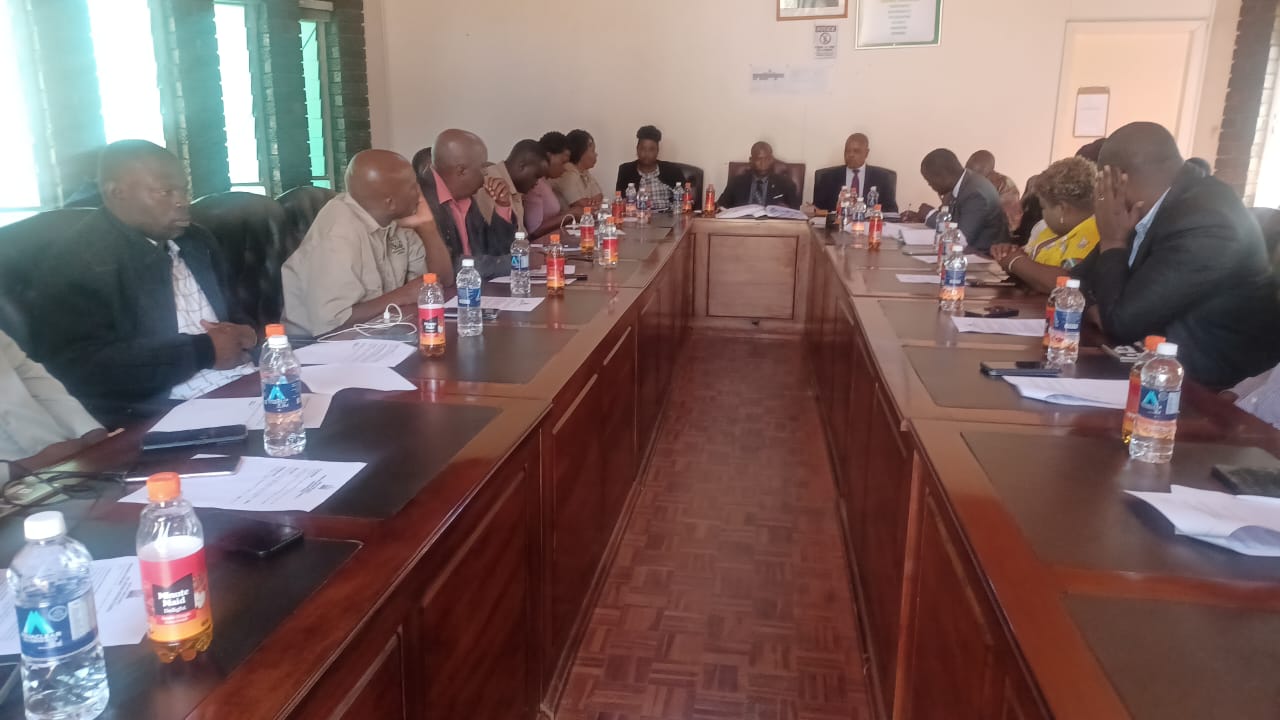
Norton Town Council renews integrity pledges
Diana Nherera Norton Town Council councillors and management on Thursday renewed their integrity pledges as part of the local authority’s commitment to promoting ethical conduct and combating corruption. Speaking…