Chronicle Editor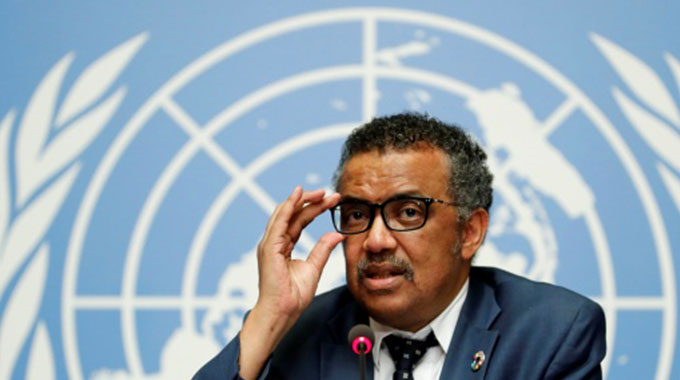
Nqobile Tshili, Chronicle Reporter
THE World Health Organisation is aiming to reduce road accidents by at least 50 percent by 2030 worldwide and Zimbabwe set to tailor make the global strategy to suit the local context.
Road traffic accidents contribute nearly 1,3 million deaths and an estimated 50 million injuries annually globally.
The WHO has since said there is a need for countries worldwide to act and curb preventable loss of lives and injuries under a 10-year strategy.
WHO last Thursday launched the Decade of Action for Road Safety 2021-2030 targeting to tame road carnage.It said it was of concern that most road accidents occur in developing countries which have less traffic compared to developed nations.The strategy aims to make cycling, walking and public transport safe for everyone as well as ensure that road networks do not contribute to road accidents.
The plan also seeks to address matters to do with emergency services responding to accidents timeously among others. “Globally, over 3500 people die every day on the roads, which amounts to nearly 1,3 million preventable deaths and an estimated 50 million injuries each year – making it the leading killer of children and young people worldwide. As things stand, they are set to cause a further estimated 13 million deaths and 500 million injuries during the next decade, particularly in low- and middle-income countries,” read the statement.
“These are unacceptable numbers, both in absolute and relative terms. Road traffic crashes have remained a major cause of death globally, even though every one of those deaths and injuries is preventable.”
It said governments from around the world declared unanimously – through UN General Assembly Resolution 74/299 – the Decade of Action for Road Safety 2021-2030 with the explicit target to reduce road traffic deaths and injuries by at least 50 percent during that period.WHO said countries should fit the global strategy into their local contexts through deploying available resources and drawing on their strengths.
“The Global Plan is aimed not only at senior policy-makers, but also other stakeholders who can influence road safety, such as civil society, academia, the private sector and community and youth leaders,” read the statement.
WHO Director-General Dr Tedros Adhanom Ghebreyesu said road accidents have cost families loved ones, affected economies and constrained the health sector.
“So much of this suffering is preventable, by making roads and vehicles safer, and by promoting safe walking, cycling and greater use of public transport. The Global Plan for the Decade of Action for Road Safety lays out the practical, evidence-based steps all countries and communities can take to save lives,” said Dr Ghebreyesu.
Zimbabwe is set to play its part in reducing road accidents.
According to the Traffic Safety Council of Zimbabwe (TSCZ) human error contributes to most road accidents in the country.The country records an average of five fatal road accidents daily.
TSCZ acting operations, research and marketing director Mr Ernest Muchena said the country was involved in the crafting of the global strategy to curb road accidents.
He said going forward, the country’s traffic stakeholders are set to converge and craft the local strategy and synchronise it with the global plan.
“In the coming few weeks, we are going to have a two-day workshop to discuss how the 10-year strategy fits within the local context. This is not just about TSCZ but other stakeholders as well. We are going to invite the police to speak about how they will implement the strategy especially when it comes to enforcing road regulations. We also would want to have input from the media as well among other stakeholders. So, it’s a multi-stakeholder event which will decide how we implement the strategy as a country,” said Mr Muchena.-@nqotshili


 Bunjiwe Mkwananzi