Vusumuzi Dube
NOVEMBER has always carried weight in Zimbabwean football.
It’s the month of conclusions and coronations, the Chibuku Super Cup reaches its climax, the Premiership title race settles, and the 11 Soccer Stars of the Year are revealed.
The announcement always ignites debate. Coaches, captains and journalists gather to pick the season’s best performers, while fans argue fiercely about who truly deserves the crown. For players, it’s the moment when their sweat, pain and perseverance might finally be recognised.
As the 2024 season winds down, Sunday Life looks back at some of the greats who have shaped the honour roll, men whose brilliance defined eras and stirred passions across generations.
It all began in 1979, when amid the liberation struggle, a team rose from the shadows. Caps United, a club founded in 1973 and promoted to the top flight in 1977, stormed to national prominence against the giants of the day – Dynamos, Rio Tinto, Arcadia, Wankie and Zimbabwe Saints, making a lasting statement.
The 1979 Chibuku Cup final remains etched in history. Caps United, with only Shacky Tauro already recognised as a national cap, drew 3-3 with Zimbabwe Saints before thrashing them 5-2 in the replay.
Young Stanley Ndunduma dazzled on the wing, while the midfield pair of Stanford “Stix” Mtizwa and the late Joel Shambo tore defences apart. That performance announced a new force and a new generation of stars.
Tauro was rewarded that year, named Soccer Star of the Year after steering his team to both cup and league success.
In 1980, David Mandigora became the first Soccer Star of independent Zimbabwe. A calm and intelligent midfielder, he broke a run of forwards winning the prize, Shacky Tauro in 1979, George Rollo in 1978 and George Shaya in 1977.
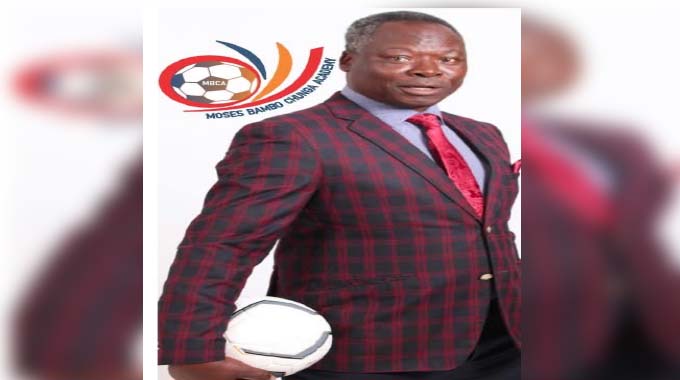
Some seasons have been easy to call, others sparked fierce argument. None more so than 1986, when Moses Chunga of Dynamos and Highlanders’ Mercedes “Rambo” Sibanda produced one of the tightest duels in the award’s history.
Chunga’s 46 goal haul, 30 in the league and 16 in cups, remains unmatched. His free kicks and long range screamers became folklore. But Sibanda, a powerful fullback who attacked and defended with equal flair, was equally electric, combining superbly with Willard Khumalo and Madinda Ndlovu as Highlanders dominated the cups.
The panel was torn, but Chunga edged it. Sibanda’s time came a year later, in 1987, when his class for both club and country made him impossible to overlook.
That period, the mid to late 1980s, is still remembered as one of Zimbabwe’s richest football eras. The stadiums were packed, the entertainment unmatched. Fans came for the football but stayed for the spectacle, drum majorettes, army bands, even skydivers colouring the matchday experience.
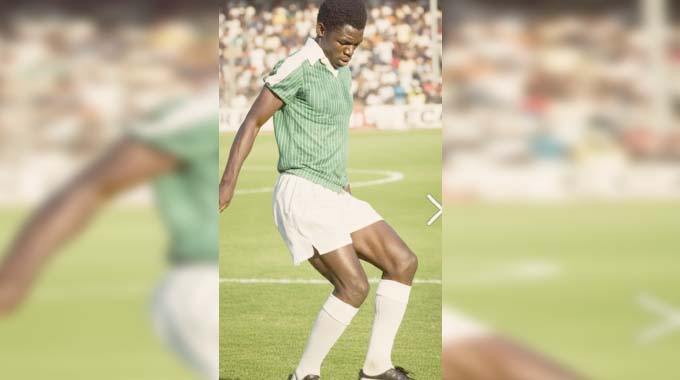
Each of the big four — Dynamos, Highlanders, Caps United and Zimbabwe Saints had players who defined them. Brenna Msiska, Tauro and Shambo led the Green Machine’s second generation, Maseko, Peter Nkomo, Madinda, Sibanda and Khumalo carried Bosso; Max Makanza-Lunga, Eddie Muchongwe and Elvis Chiweshe anchored Dynamos; while Zimbabwe Saints, powered by Henry Mckop, Ephraim Chawanda and Misheck Sibanda, claimed league glory.
Chawanda’s commanding presence and leadership earned him the 1988 Soccer Star of the Year title, making him only the second Saints player after Moses “Madalaboy” Moyo to win it.
The 1990 race was another classic. After a dazzling season, Caps United’s George Nechironga and Highlanders’ teenage sensation Peter Ndlovu were crowned joint winners. Ndlovu, then carrying both his family and club’s hopes, went one better in 1991, becoming only the second player after Ndunduma to win it twice after Independence.
The late 1980s and early 1990s also saw new names break through the dominance of the traditional giants, Masimba Dinyero (Black Mambas) in 1989 and Wilfred Mugeyi (Black Aces) in 1992.
In 1997, Hwange’s Walter Chuma was a surprise pick, his selection triggering fierce debate about regional bias among journalists.
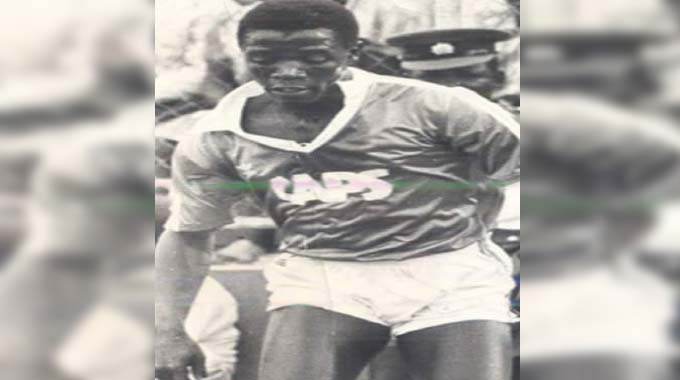
The awards then went on a three year break before returning in 2000, when Zenzo Moyo claimed the honour despite leaving for Cyprus midway through the season after netting 22 goals. Many believe he could have passed 35 had he stayed.
Now, with another November upon us, history prepares to turn another page. In a few weeks, coaches, captains and journalists will again gather to pick the new Soccer Star of the Year.
Who will step forward to join the pantheon of legends — Tauro, Mandigora, Chunga, Sibanda, Chawanda, Ndlovu, Mugeyi, Moyo and etch their name among the greats?


 Online Reporter