Online Reporter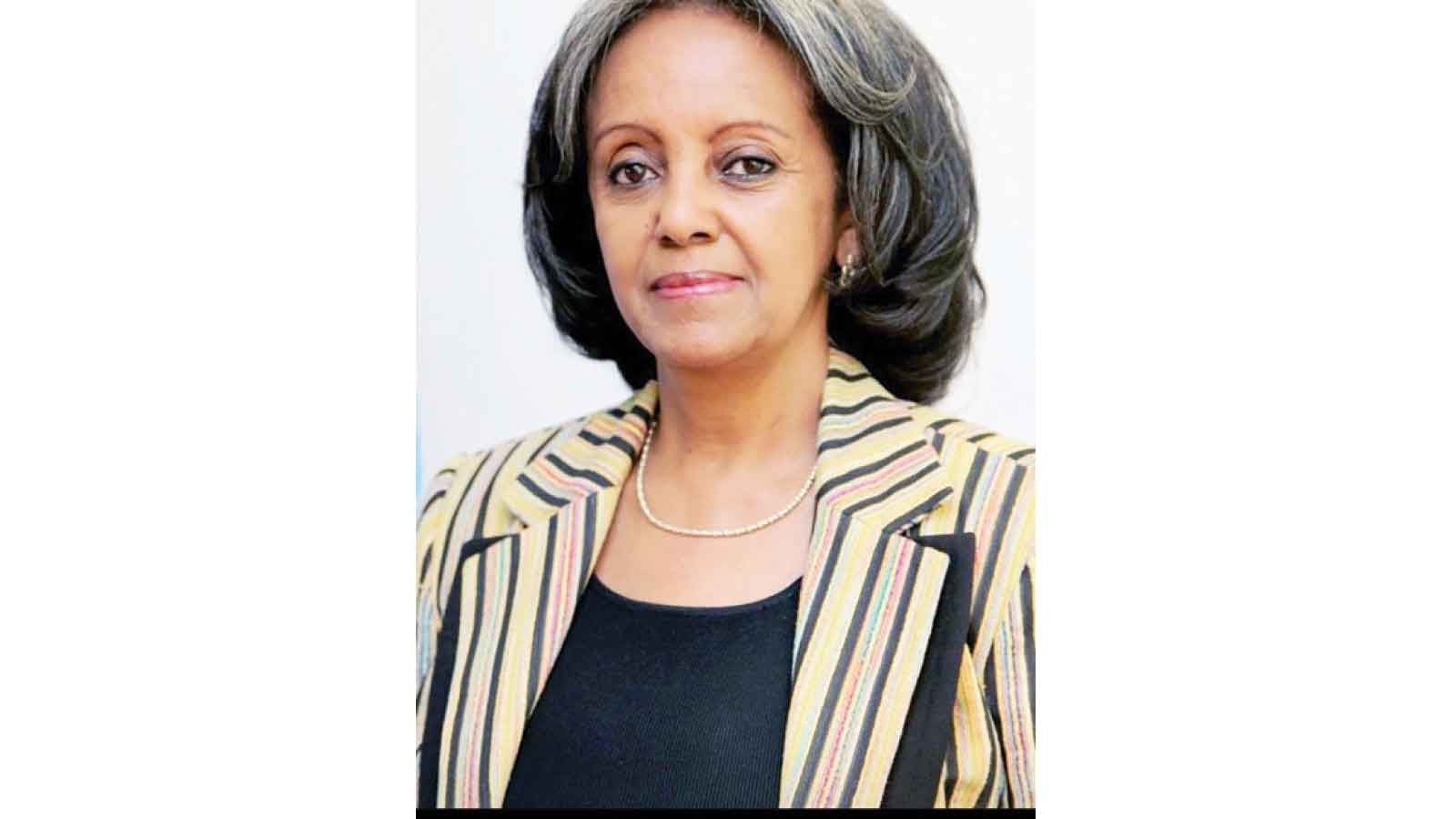
Alice Tagwira-Beyond Boundaries
Women empowerment is not a favour we do for women; it is a survival strategy for nations. To treat empowerment as a threat to men is a logical failure. In reality, a society that suppresses women is like a pilot trying to fly a plane using only one wing.
Zimbabwe and the African continent at large must move beyond the “rhetoric of inclusion” and embrace the “logic of leadership.” Empowerment is not about seeking “power over” others; it is about activating the “power within” to prevent collective economic stagnation.
The Mathematics of Misrepresentation
In Africa, the numbers tell a story of wasted potential. While women make up more than half of the population, their seat at the table is often a folding chair in the corner.
In Zimbabwe, despite the constitutional mandate of Section 17, women hold less than 30 percent of parliamentary seats. The continental data is even more jarring:
Nigeria: A mere 3.6 percent of parliamentary seats are held by women — a statistical blackout.
DRC: Only 12 percent representation, leaving the fate of millions of women in the hands of men who may not prioritise their survival.
Egypt: Only 8 percent of the decision-making power is female.
These are not just numbers; they are barriers to progress. Systemic obstacles — ranging from financial gatekeeping to physical violence — ensure that the political arena remains a “men’s club.”
The Rwandan Blueprint
However, the African sky is not entirely dark. Rwanda has become a global lighthouse, with over 60 percent of its parliament occupied by women. This was no accident; it was a deliberate, intelligent rebuild following the 1994 genocide. South Africa (46 percent) and Namibia (44 percent) follow this lead.
The data is clear: when women lead, policies become more inclusive, governance becomes more transparent, and economies become more resilient.
Globally, the “glass ceiling” is actually a reinforced concrete roof. Out of 195 nations, only 31 are led by women. In Africa, icons like former Liberian President Ellen Johnson Sirleaf, former Ethiopian President Sahle-Work Zewde and a few others are the exceptions, not the rule. This lack of representation at the top creates a “trickle-down” neglect, where reproductive rights and unpaid care work are treated as footnotes rather than economic priorities.
History proves that women are the primary architects of freedom.
From the suffragettes to Africa’s own titans like Nehanda Nyakasikana and Winnie Mandela, women have consistently fought the battles that men were often too comfortable to join. Yet, the burden of advocacy remains unfairly lopsided. Men who profit most from the patriarchal status quo often remain passive spectators while women are expected to fix the very systems designed to break them.
Adding to this weight is the “weaponisation of faith.” Religion is often used as a cage rather than a sanctuary:
Christianity: Misinterpreted verses on “submission” are used to silence victims of domestic abuse.
Islam: Cultural traditions — not the faith itself — are used to bar girls from classrooms and careers.
Traditional Beliefs: Often freeze women in roles of subservience, valuing them only as childbearers.
The toxicity lies not in the scripture, but in the masculine filter applied to it. True faith should liberate, not limit.
There is a loud, fearful narrative that women are now “over-empowered.” This is a defensive myth. If women were “over-empowered,” why do they still earn less for the same work? Why are 30 percent of girls in Zimbabwe married off before their 18th birthday?
The claim of over-empowerment is a smokescreen. It ignores the “boys’ club” culture of corporate boardrooms and the fact that men still dominate the lists of the world’s wealthiest people. According to the World Economic Forum, at our current pace, it will take 134 years — until the year 2158 — to achieve true gender parity. We aren’t winning; we are barely catching up.
To move forward, we must stop confusing “participation” with “power.” Ownership is power! True empowerment requires three pillars:
Systemic Leadership: Moving women from the “audience” to the “author’s desk” in politics and business.
Economic Ownership: A woman with a salary is an employee; a woman with land and property is a force. Wealth ownership is the only way to break the cycle of poverty.
Mental Decolonisation: Women must unlearn the “limitations” taught to them by society, and men must realize that a strong woman is an asset, not a threat.
Empowerment is not a zero-sum game. It’s not about taking a piece of the pie away from men; it’s about baking a much larger pie for everyone.
It is time to educate, elevate, and celebrate women — because when the foundation is strong, the whole house stands.