Online Reporter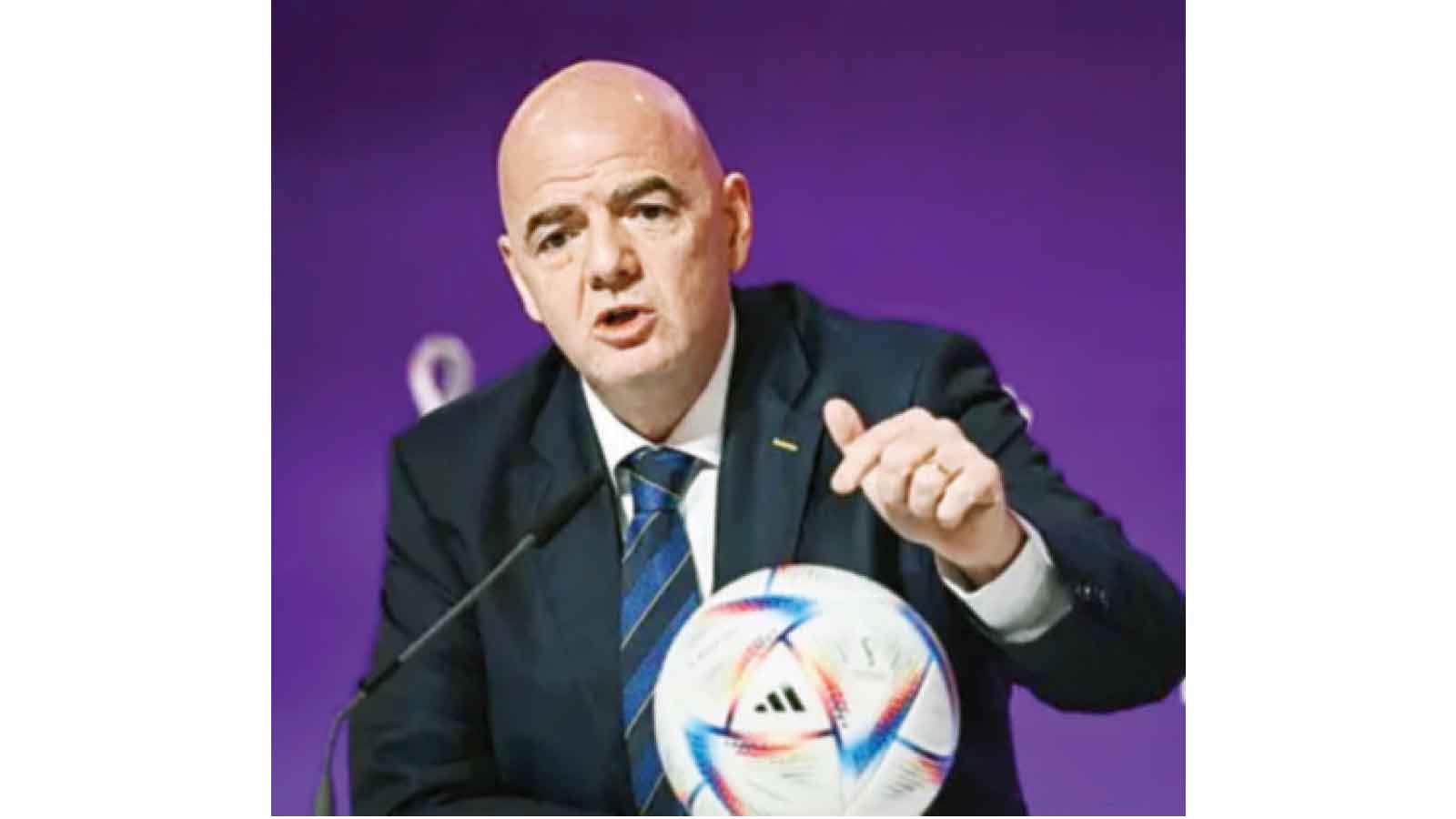
MacDenias Moyo
Football has always been more than a contest of skill. It is a covenant of humanity, a universal language that binds nations together, a festival where the pitch becomes a sanctuary of justice and fraternity. Yet as the world prepares for the 2026 World Cup in the United States, disturbing reports of degrading and inhumane treatment faced by African, Middle Eastern and Iranian delegates reveal a betrayal of that covenant. Instead of welcome, there is suspicion. Instead of fraternity, there is profiling. Instead of equality, there is exclusion.
African fans from Algeria, Cape Verde, Ivory Coast, Senegal and Tunisia were initially required to pay bonds of up to US$15 000 to secure entry visas. Though later waived for ticket holders, the policy reflected suspicion rather than hospitality. Citizens from Ivory Coast and Senegal faced partial restrictions under ongoing U.S. travel bans. Iranian delegates and fans have encountered heightened scrutiny, delayed approvals and outright denials due to sanctions and strained U.S.–Iran relations.
African journalists pressed FIFA President Gianni Infantino on whether their people would be treated as second class citizens in America, citing fears of xenophobia and immigration prejudice. FIFA has not issued clear protocols to protect African, Middle Eastern and Iranian visitors from discrimination during airport entry, public transport or police encounters. These are not isolated inconveniences, they are systemic barriers that degrade human dignity.
Football is meant to be universal. Every team begins equal, every match begins at zero, every fan’s voice is meant to carry the same weight. Yet when Africans are asked to pay bonds, when Middle Easterners are profiled, when Iranians are excluded, the game ceases to be universal. It becomes a mirror of global injustice.
Modern voices within the sport echo this truth. Didier Drogba once said that football has the power to stop wars, recalling how his words helped bring peace to Ivory Coast. Mohamed Salah has spoken of football as a bridge between cultures, insisting that the game must be a force for respect and coexistence. Marcus Rashford has reminded the world that footballers are not only athletes, but citizens who must stand against injustice. These testimonies are not abstractions, they are lived truths from men who have carried the game on their shoulders and understand its moral weight.
Football should not suffer for conflicts between the USA, Iran and Israel. The pitch is not a battlefield for geopolitics, but a sanctuary for humanity. To degrade fans and delegates is to degrade the very spirit of the game.
FIFA’s decision to award the World Cup to the USA was driven by infrastructure, commercial appeal and political influence. Yet governance is not merely about logistics, it is about values. FIFA ignored the implications of U.S. immigration policies and sanctions, prioritizing profit over inclusivity. Its statutes proclaim commitment to promoting football globally without discrimination, yet current realities betray this mandate.
FIFA has not established independent monitoring mechanisms to ensure fair treatment of delegates and fans from marginalised regions. By privileging sponsorship deals and broadcasting rights, FIFA has commodified the World Cup at the expense of its human essence. Amnesty International has warned that mega events cannot be blind to human rights, they must be judged by how they treat the most vulnerable. FIFA’s silence is complicity.
FIFA must act, immediate safeguards must be established to protect African, Middle Eastern and Iranian delegates. Independent monitoring bodies should oversee entry, security and treatment. Nations whose citizens face degrading treatment must refuse complicity, for silence is endorsement. Fans across the world must demand accountability, for football belongs to humanity, not to geopolitics.
Future hosting must reflect inclusivity. Relocation to Africa or the Middle East would have embodied football’s universality. Future tournaments must prioritise inclusivity over profit. FIFA should also adopt practical solutions within the existing framework.
Iranian matches could be scheduled in Mexico or Canada, where Iranian fans and delegates would be able to attend freely without the suffocating restrictions imposed by U.S. sanctions. This would allow Iran’s players and supporters to participate fully in the tournament, preserving the integrity of competition and the spirit of universality. Such a measure would demonstrate that FIFA is willing to confront political barriers with creative solutions that uphold the dignity of all nations.
The 2026 World Cup risks becoming a festival of exclusion rather than unity. By tolerating discriminatory entry policies and failing to guarantee safety frameworks, FIFA undermines the very ethos of football. Relocation would not merely have been logistical, it would have been moral, affirming that football belongs to all nations equally.
Nelson Mandela declared that sport has the power to change the world, to inspire, to unite people in a way that little else does. Didier Drogba reminded us that football can silence guns and heal nations. Mohamed Salah has shown that football can bridge cultures and Rashford has proven that footballers can stand against injustice beyond the pitch. If FIFA fails to act, the World Cup will not inspire, it will divide. The world must demand better, for football is too sacred to be sacrificed at the altar of geopolitics