Online Reporter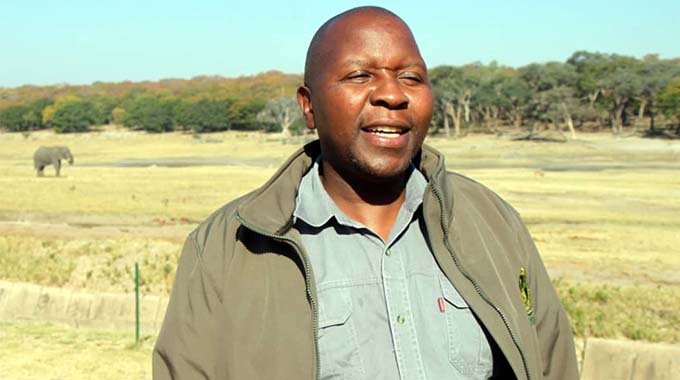
Ivan Zhakata-Herald Correspondent
The Zimbabwe Parks and Wildlife Management Authority (ZimParks) has described the successful relocation of 74 large herbivores into Matusadona National Park as a significant step in restoring biodiversity and strengthening ecological systems.
ZimParks spokesperson Mr Tinashe Farawo said the exercise, conducted in July this year, in partnership with the Matusadona Conservation Trust, marked a milestone in the rehabilitation of one of the country’s key wildlife areas.
“We are pleased to announce the completion of wildlife translocations that brought 50 African buffalo and 10 common eland from Tsetse Island on Lake Kariba, as well as 14 sable antelope from the Sibilobilo Safari Area,” said Mr Farawo.
“These operations represent a significant step in the ongoing restoration of one of Zimbabwe’s most important conservation areas.”
He said the relocations were not only about replenishing animal populations but also about reviving ecological balance.
“Beyond population supplementation, these translocations support broader ecological restoration, reviving graze and browse dynamics, strengthening prey bases and enhancing ecosystem resilience,” Mr Farawo said.
The project also dovetailed with the newly ratified Land Use Plan by the Nyaminyami community, approved by the Government last month, which sets out a long-term vision for wildlife conservation in the Sebungwe Region.
The operations were carried out by African Wildlife Management and Conservation (AWMC) and Wildlife Management Services International (WMSI), with support from Matusadona’s Conservation and Veterinarian Unit.
Local and international donors, including the Global Wildlife Fund, contributed funding.