Online Reporter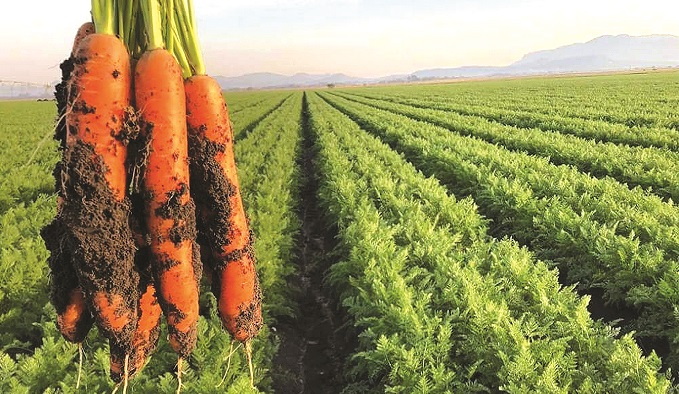
Word from the Market
Tina Nleya
WINTER is upon us, with temperatures already dropping in most parts of the country.
The Government has reported a bumper harvest for the summer cropping season. This is good news for the nation and a testament to the hard work of our farmers and the Government alike. The 2025 winter cropping season is also promising to be a successful one on account of the Government’s ambitious targets. This season presents a unique opportunity for farmers to diversify and capitalise on high-demand crops.
This week we will delve into crops you can venture into this winter season.
Carrots: A steady market performer
Carrots have consistently demonstrated resilience in the market, offering farmers a reliable income stream. Recent data indicates that the retail price of carrots ranges between 75 US cents and US$1,01 per kilogramme, while wholesale prices hover between 53 US cents and 71 US cents per kilogramme. These stable prices underscore the crop’s viability for small-scale and commercial farmers.
The country’s favourable climate and fertile soil make it suitable for growing a variety of crops, including carrots. Carrots are a popular vegetable in Zimbabwe due to their nutritional value and versatility in cooking. Optimal planting and harvesting periods are:
Planting — Late April to early June.
Harvesting — Approximately 90 to 120 days post-planting, translating to harvests between late July and early October.
Carrots thrive in well-drained, sandy loam soils with a pH of between 6,0 and 6,8. Consistent moisture and proper spacing are crucial to achieving optimal yields.
Onions: Capitalising on seasonal demand
Onion is one of the most consumed crops in Zimbabwe.
Almost every dish consumed daily includes onion, from your gravy to salads and stews, making it an important crop. Onions have a steady demand curve because of daily consumption in most Zimbabwean households.
This means they will always have a ready market.
Production of onions in Zimbabwe is mainly conducted in the cooler season. Onions, particularly the short-day varieties like Capricorn and Goblin, have gained popularity among farmers for their adaptability and market appeal. These varieties allow for off-season planting, enabling farmers to meet the high demand during festive periods.
Optimal planting and harvesting periods are:
Planting — May to June.
Harvesting — Depending on the variety, harvesting can occur between September and October. For those targeting the December market, planting in July is advisable.
Here are some market insights:
Fresh onions — Typically sell for around US$1 per bundle in December.
Dried onions — Fetch approximately 45 US cents per bundle during the same period.
Proper curing and storage can extend the shelf life of onions, allowing farmers to sell during peak demand periods and maximise profits.
Mange tout peas: Meeting growing demand
The Zimbabwean winter season offers perfect conditions for the production of high-quality peas that are very competitive on the export market. Mange tout peas, known for their sweet flavour and tender pods, have seen a surge in demand, both locally and for export. Their suitability for winter cultivation makes them an attractive option for farmers looking to diversify.
Here are the optimal planting and harvesting periods:
Planting — May to June.
Harvesting — Typically, 60 to 70 days after planting, aligning harvests between July and August.
Peas prefer cooler temperatures and well-drained soils. Regular harvesting encourages continuous pod production, ensuring a steady supply for the market.
Strategic planning for maximum returns
To optimise returns this winter cropping season, farmers should consider the following strategies:
- Market research — Stay informed about current market prices and demand trends to make data-driven decisions on crop selection. The Agricultural Marketing Authority (AMA) publishes a weekly bulletin with produce prices.
- Crop diversification — Planting a mix of crops like carrots, onions and peas can mitigate risks and tap into different market segments.
- Quality inputs: To ensure high-quality produce, use certified seeds and adhere to recommended agronomic practices. AMA also publishes the “Agro-Input Monitor” monthly, which has a list of all registered input suppliers.
- Post-harvest handling: Invest in proper storage and handling techniques to maintain product quality and extend shelf life, especially for crops like onions.
Collaborative efforts for a prosperous season
The success of the 2025 winter cropping season hinges on the collective efforts of farmers, Government agencies, and private stakeholders.
By leveraging available resources, adhering to best practices and staying attuned to market dynamics, Zimbabwean farmers can navigate the season successfully and contribute to national food security.
Tina Nleya is AMA’s marketing and public relations manager. She can be contacted on email: [email protected]. Word from the Market is a column produced by AMA to promote market-driven production.



 Online Reporter