Online Reporter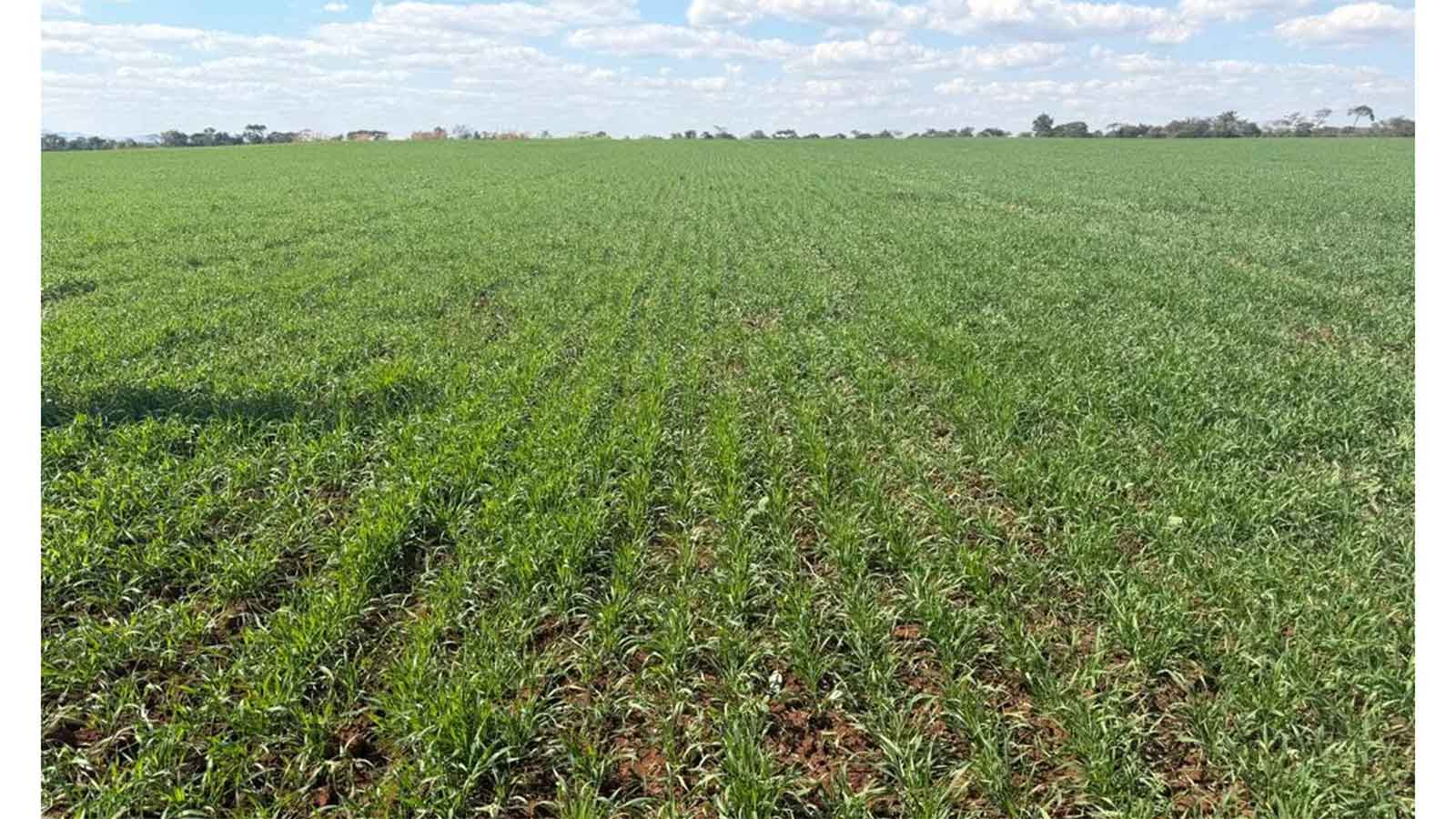
Theseus Mauruki Shambare
Zimbabwe’s winter wheat planting has gained momentum, with more than 105 000 hectares already planted, putting the country firmly on course to surpass national consumption requirements and secure a surplus harvest.
Latest figures from the Agriculture, Mechanisation and Water Resources Ministry show that 105 775 hectares had been planted by Friday, representing 85 percent of the national target of 125 000 hectares, while 89 880 hectares had already germinated.
The strong progress positions the country to achieve an estimated wheat output of 662 500 tonnes this season, well above the annual national requirement of about 360 000 tonnes.
Authorities remain confident that the target will be met despite earlier delays caused by the late harvesting of summer crops.
In an interview on Saturday, Agriculture Permanent Secretary Professor Obert Jiri said the programme was on track.
“Yesterday (on Friday), we were on 105 000 hectares out of 125 000 hectares. We will reach the target,” he said.
The Government has extended the wheat planting window to June 15, from the traditional May 1 deadline, to accommodate farmers who were delayed by high moisture levels that slowed harvesting of the summer crops and land preparation.
According to the latest Agricultural and Rural Development Advisory Services (ARDAS) report, land identification and registration have already exceeded the national target, reaching 126 377 hectares, while contracted hectarage stands at 125 335 hectares.
Mashonaland West leads in planting with 26 412 hectares, followed by Mashonaland East with 22 604 hectares and Mashonaland Central with 21 485 hectares.
Midlands Province is closest to meeting its target, having planted 12 061 hectares out of 12 500 hectares, translating to 96 percent completion, while Manicaland has achieved 91 percent after planting 13 720 hectares.
Authorities have since assured farmers of adequate electricity supplies, irrigation water and preparedness against migratory pests and quelea birds.
“We are ready. The Department of Migratory Pest Control Services is ready to deal with any incident,” said Prof Jiri.
The ARDAS report indicates that procurement processes for 60 drones for migratory pest control are underway, while additional chemical stocks are being secured to strengthen preparedness.
Water availability remains strong, with national dam levels averaging 92,3 percent, providing critical support for winter irrigation. Large dams are expected to support 66 percent of the wheat crop.