admin
admin
IN Zimbabwe, it is illegal to accuse someone of being a witch or practicing witchcraft. The law says it is a criminal offence to claim that another person practices witchcraft. This law was put in place to prevent accusations that could lead to social unrest, violence, and discrimination.
Under the law, anyone found guilty of making such accusations can face fines or imprisonment.
However, there have been calls for the law’s reform or repeal, as some argue it is outdated and does not align with modern views on traditional beliefs and practices.
However, witch-hunting is also a violation of human rights. It often leads to violence, discrimination, and sometimes even the killing of individuals—most frequently women, children, and the elderly—based on unfounded accusations. Such practices violate fundamental human rights, including the right to life, the right to security, and the right to be free from torture and inhumane or degrading treatment.
Communities must work hard to stop witch-hunting through education, awareness, and the enforcement of laws that protect individuals from such accusations. Governments and organisations can play a crucial role by promoting human rights education, addressing the root causes of these beliefs such as poverty, superstition, and lack of access to education, and providing support and protection to those targeted by witch-hunts.
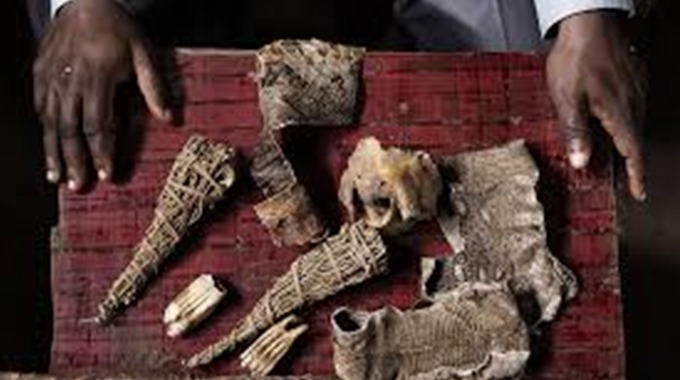
Ending witch-hunting requires a collective effort to challenge harmful stereotypes and practices, support victims, and promote a culture of respect and human dignity. Early this week, social media was abuzz with a story of witch hunters (tsikamutanda) who were at a house in Luveve, Bulawayo, and supposedly on a mission to remove a goblin or tools of the witchcraft.
The mission hit a dead end, as nothing was recovered, but the family suffered serious emotional pain and had their dignity impaired. In other reported cases, families were forced to pay large sums of money or to settle their dues to witch hunters calling themselves prophets with their livestock. We wish to reiterate that witch hunting is unlawful, and people should desist from engaging people who claim to have supernatural powers to witch- hunt.



 Online Reporter