Bongani Ndlovu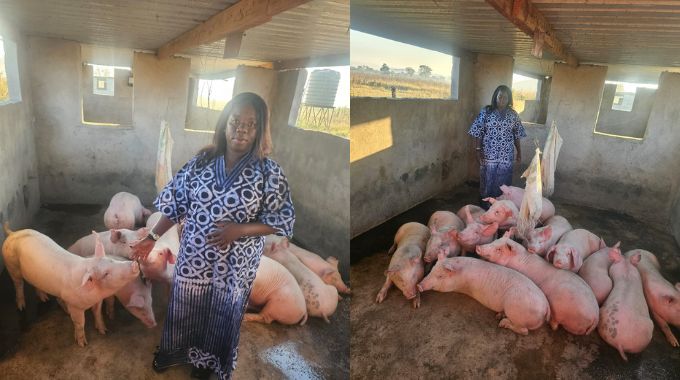
Patrick Chitumba, [email protected]
IN the rural community of Mafala Village in Zvishavane District, the sound of squealing pigs and the sight of flourishing vegetable gardens are becoming symbols of hope, resilience and economic transformation.
What started as a simple observation by Mrs Phyllis Magidhivani while walking through her village has grown into a thriving piggery and horticulture enterprise that is changing lives and inspiring women to venture into commercial agriculture.
Today, Mrs Magidhivani manages a fast-growing piggery project with more than 100 pigs, alongside a thriving horticulture business supplying fresh produce to markets around Zvishavane.
For the soft-spoken entrepreneur, the journey began with a question she continuously asked herself whenever she saw pigs roaming freely in the village.
“It came to my mind several times while I was out and about, seeing pigs roaming around. I asked myself why I could not turn it into a commercial piggery project,” she said.
“That is when I decided to start my pastured piggery project and also put the knowledge I gained from my grandfather to use.”
What initially seemed like a modest rural initiative has since evolved into a sustainable business venture that is not only generating income for her family, but also creating employment opportunities within the community.
The project reflects the growing shift among rural communities towards commercial agriculture under the Second Republic’s rural industrialisation agenda and Vision 2030, which seeks to transform Zimbabwe into an upper-middle-income economy.
Surrounded by pig pens and thriving vegetable fields, Mrs Magidhivani speaks passionately about her dream of expanding beyond Zvishavane and becoming one of the leading suppliers of pork products and horticultural produce in Midlands Province.
“We aim to grow this piggery and horticulture business so that we can supply the whole Midlands Province. We are moved by the Second Republic philosophy of making agriculture a business. That way we can grow and become economic development players as well,” she said.
Her enterprise is already making a difference in the lives of many women in the community, some of whom now earn income through casual work at the project while others are learning farming and business management skills.
Mrs Magidhivani said the project has empowered women who previously depended entirely on their spouses or struggled to survive through informal means.
“The project has transformed lives and empowered us women as we are now meaningfully contributing to the welfare of our families, with the extra money going towards improving our living standards,” she said.
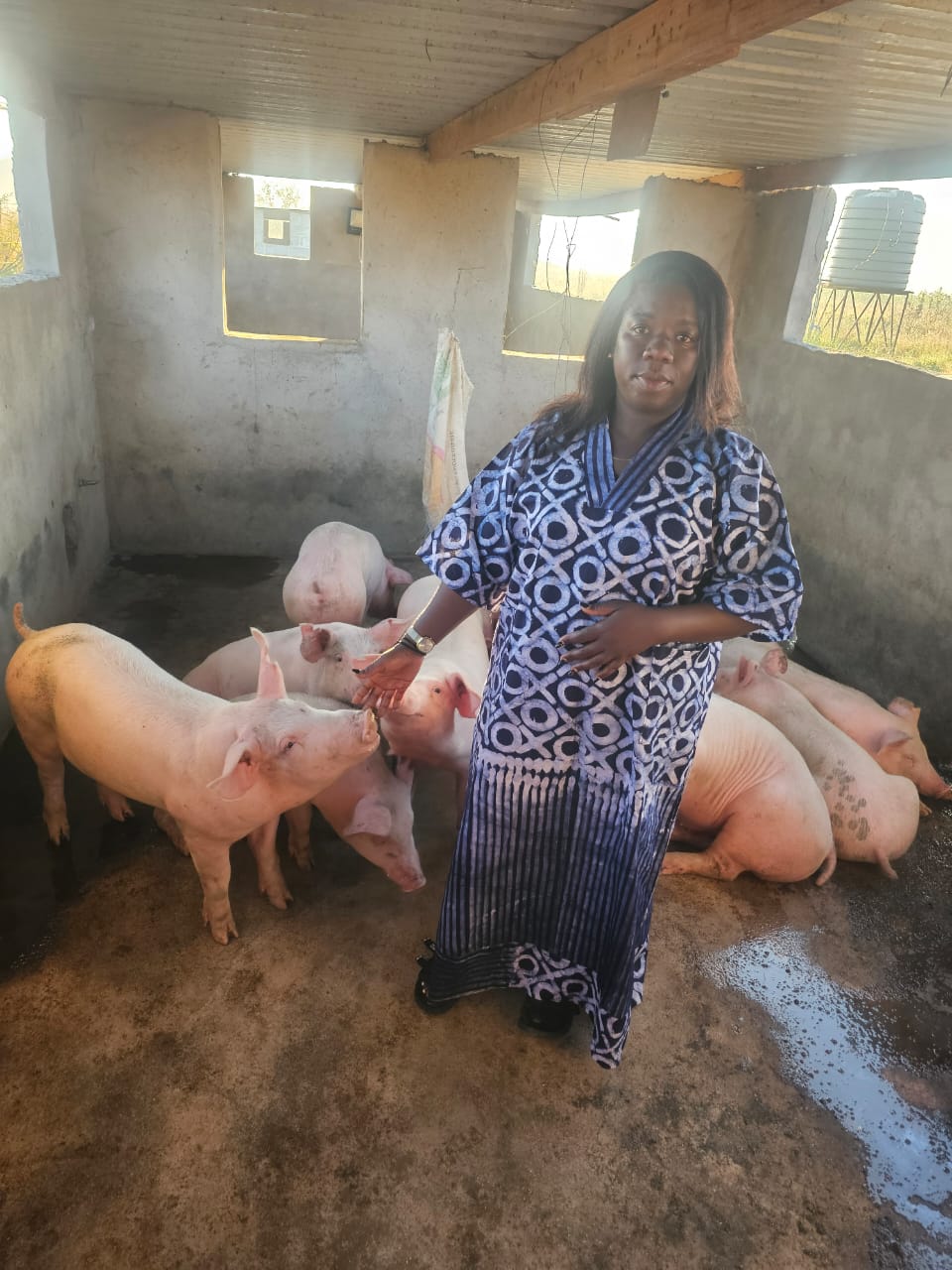
Beyond the economic benefits, the venture has also strengthened food security in the area through the production of vegetables and livestock.
One of the beneficiaries, Mrs Charlotte Muchena, said initiatives such as Mrs Magidhivani’s project demonstrate how rural women can become drivers of development when given opportunities and support.
“The Second Republic is not leaving anyone behind through empowering women and the youth by creating employment, increasing incomes and promoting food security,” she said.
Mrs Muchena said the project has become a source of inspiration for many women in Mafala Village, proving that agriculture can be transformed into a profitable business venture capable of uplifting communities.
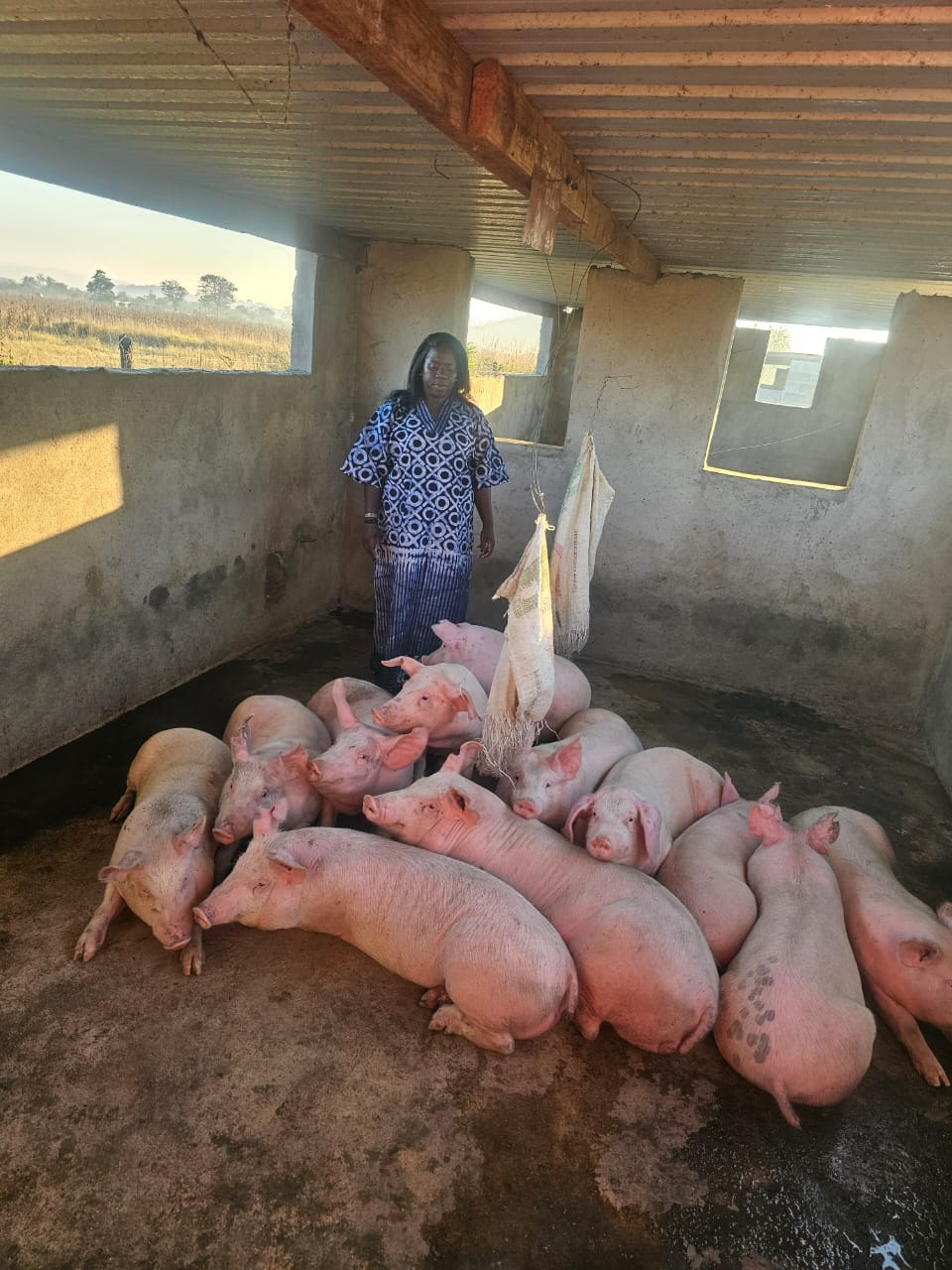
Agricultural and Rural Development Advisory Services district officer for Zvishavane, Mrs Ellen Chibi, described the initiative as a viable and impactful business model aligned with the country’s development goals.
“This is a very viable project which has also offered employment to others. She sells her pigs to local butchers and individuals who do catering and this is in line with Vision 2030,” she said.
Mrs Chibi said empowering women and youths through agriculture remains key to achieving sustainable rural development and reducing poverty.
She said Government programmes under the agriculture and rural development agenda continue to prioritise financing, training and market access for smallholder and commercial farmers, particularly women and youths.
“Such grassroots ventures are critical to achieving the socio-economic targets of Vision 2030 by decentralising economic opportunities and building resilient rural economies beyond mining and urban centres,” she said.



 Online Reporter