Online Reporter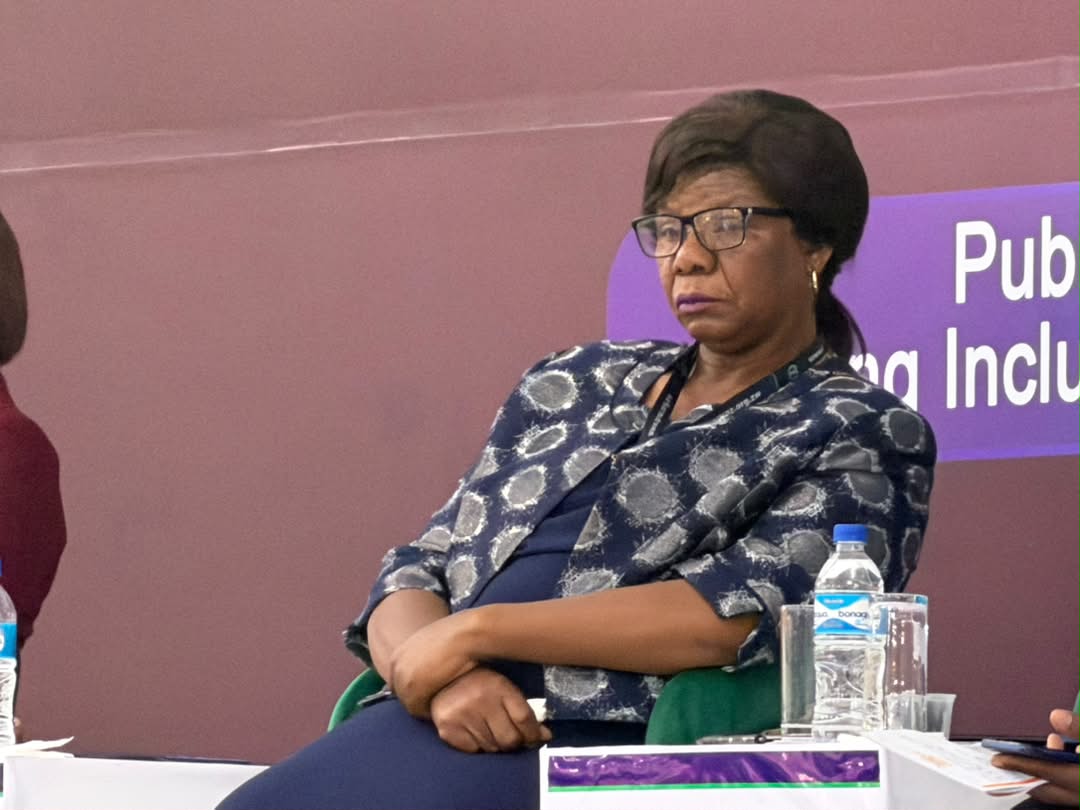
Nqobile Bhebhe [email protected]
Women have called for the introduction of quota systems and targeted procurement measures to increase their participation in public tenders, saying such interventions would help break barriers that continue to limit opportunities for women-owned businesses.
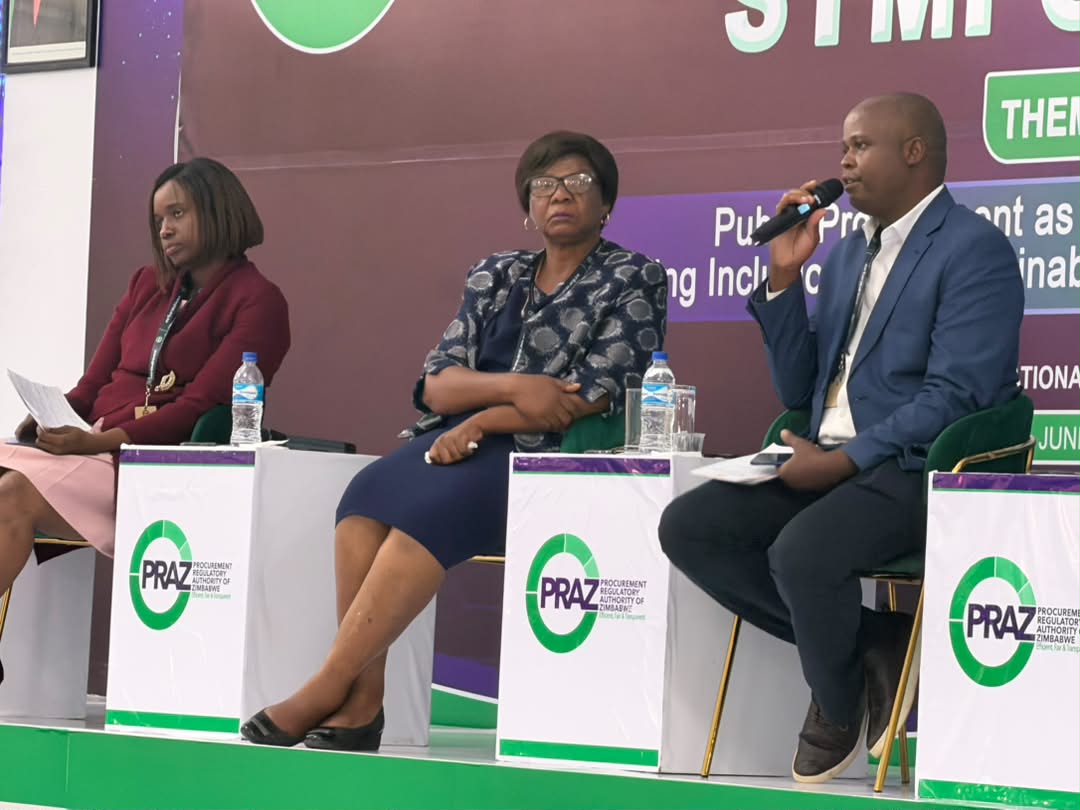
The proposals emerged at the ongoing Fifth Annual Public Procurement Symposium organised by the Procurement Regulatory Authority of Zimbabwe (PRAZ) in Bulawayo.
Delegates said many women entrepreneurs face challenges in accessing procurement opportunities due to limited financial resources and competition from larger, well-established companies.
Speaking during a session on Inclusive Public Procurement for Broad-Based Economic Participation: Strategies to Increase Participation of SMEs and Special Interest Groups, Director in the Ministry of Women Affairs, a Mrs J Mapungwana said women must be adequately represented in procurement structures to ensure their interests are effectively articulated.
“It is critical that women participate at the procurement process table to effectively represent other women entrepreneurship.
“This has to do with recruitment of women in that department,” said Mrs Mapungwana.
She said increasing the number of women in procurement departments across both the public and private sectors would help create a more inclusive procurement environment and ensure procurement policies take into account the needs of women-owned enterprises.
Mrs Mapungwana also proposed the introduction of procurement quotas for women-led businesses.
“Another key issue of breaking down barriers would be setting aside of a quota system for women as they might find it difficult to compete with large corporates,” she said.
Stakeholders at the symposium said efforts to improve women’s participation in procurement should not compromise procurement standards, transparency, competitiveness or the quality of goods and services delivered under public contracts.
Instead, they said targeted interventions were needed to create a level playing field and enable women-owned enterprises to compete more effectively.
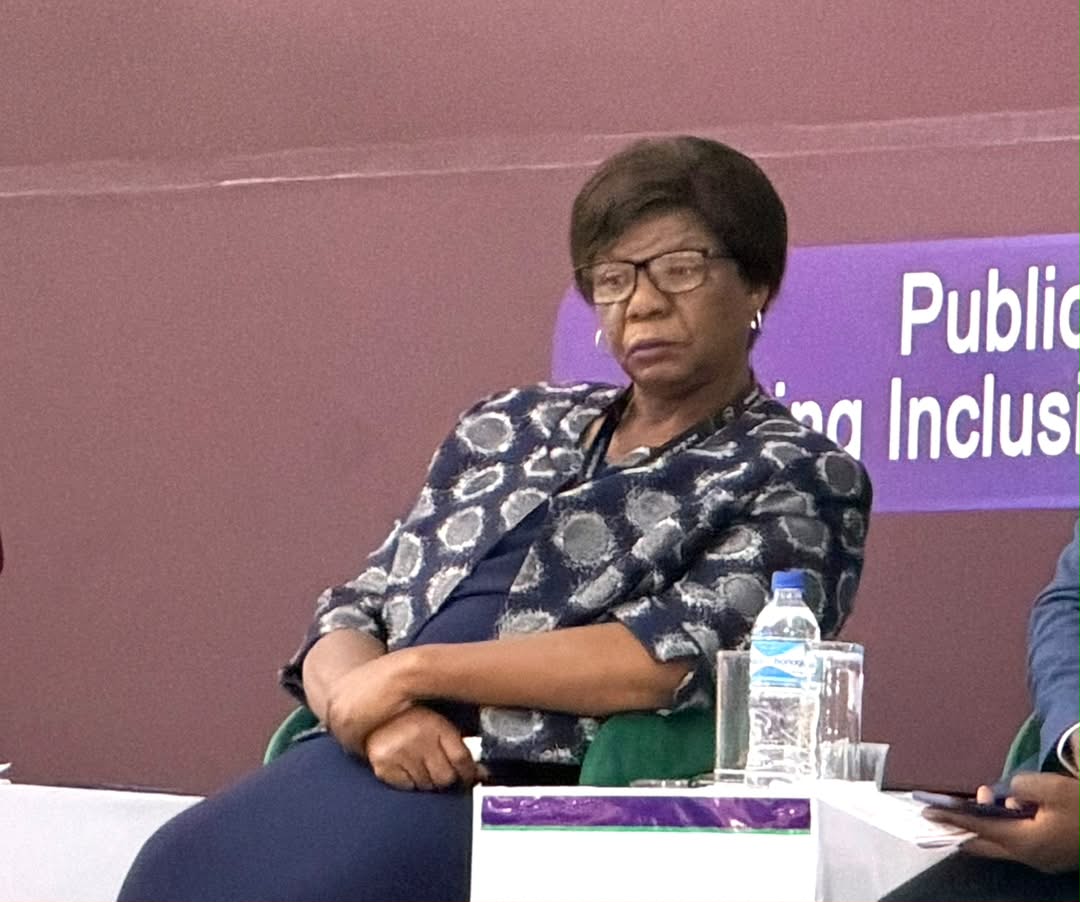
Mrs Mapungwana further proposed fiscal incentives to encourage greater participation by women entrepreneurs.
“The Ministry of Finance, Economic Development and Investment Promotion could also have tax breaks for women so that they participate in the tender process,” she said.
Director in the Ministry of Public Works and Local Government, a Mrs A Masvutu, said financial institutions should play a greater role by providing financial literacy programmes tailored for women entrepreneurs.
She also proposed the use of Artificial Intelligence to curb the multiple awarding of tenders to the same individuals within local authorities.
“There should be a limit on number of tenders that one can get in local authorities and I think that’s where AI can come in. We can effectively AI in collection of data” she said.
The symposium has brought together Government officials, procurement practitioners, development partners, academics and private sector representatives to explore how public procurement can be leveraged to promote inclusive economic growth and sustainable development.