admin
admin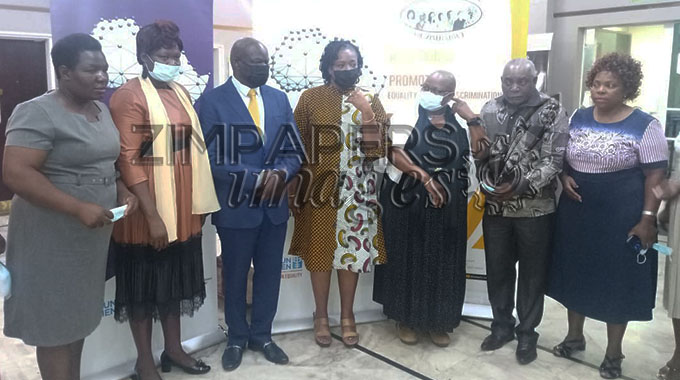
Sifelani Tsiko Agric, Environment & Innovations Editor
Women must strive to go beyond just fighting for quotas and intensify efforts to lobby political parties to ensure women’s full and effective participation at all levels of decision making, a Cabinet Minister says.
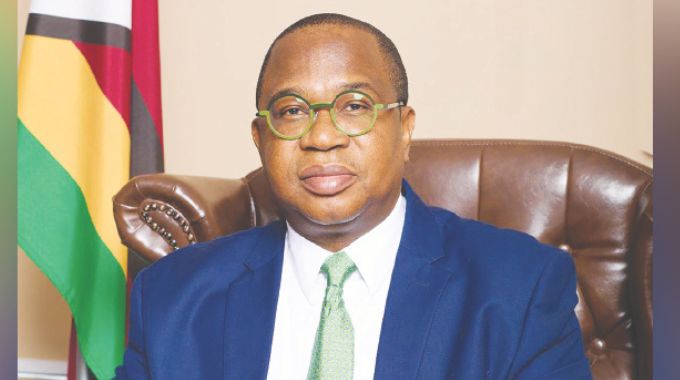
Local Government, Public Works and National Housing Minister July Moyo told participants on Wednesday at a validation meeting for the assessment of women’s political participation at local government level, that with targeted lobvying, they should aim to go beyond the 30 percent quota.
“Women must aspire to participate at 50 percent representation above the 30 percent quota reserved for them,” he said.
“The issue is how do we increase our representation at various local government levels. One aspect, is for women to use service delivery, which they understand better, as a way to gain recognition and increase their share of representation.
“Women are important at local government level because of service delivery. Women are more attuned to the needs of women and children – education, health, water and sanitation – critical components of service delivery at local government.”
Over the past decades, gender equality policies have increasingly used quotas to promote women’s access to position of power in political, economic and social spheres.
Although quotas can more or less automatically increase the share of women, they do not address some of the gender inequality barriers.
“Its a long way to achieve 50 percent representation because of statutory and constitutional barriers,” Minister Moyo said.
“Women should not lobby the ministry, but political parties to change some of these laws and to remove barriers that affect their representation.”
There is a persistent low level of women’s representation at local government level in Zimbabwe.
Women’s representation in Parliament, Senate and local government remains well below the required 50 percent representation.
In local government, representation of women has regressed in the past three years from 19 percent in 2008, to 16 percent in 2013 and to 13,4 percent in 2018.
Recalls by political parties have eroded the gains further, reducing the figure to less than 12 percent.
“The importance of women’s political participation in governance and leadership cannot be overemphasized, women’s participation in politics helps advance gender equality and affects both the range of policy issues that get considered and the types of solutions that are proposed, ” said UN Women country representative Delphine Serumaga at the same event.
“We need to join hands to enhance women’s participation through law reform, capacity building, mentorship, movement building and networking on the gender equality and women’s empowerment agenda.”
UN Women in partnership with Women in Local Government Forum (WILGF) and Women’s Coalition of Zimbabwe (WCOZ) organised the meeting to validate a study of women’s political participation at local government level.


 Online Reporter