


 Sundaymail Editor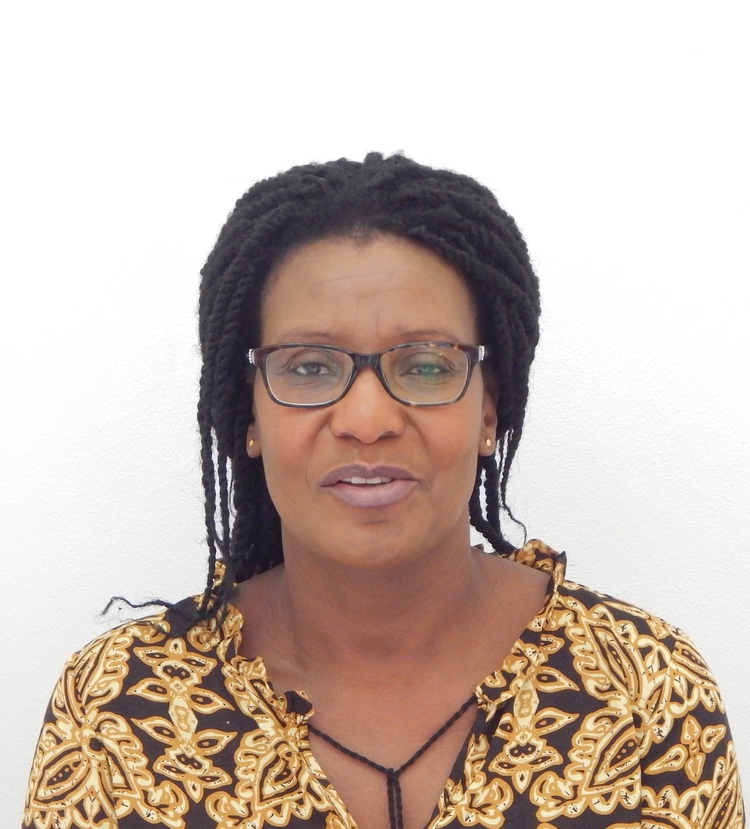
Disability Issues
Dr Christine Peta
MARCH is Women’s Month and to raise awareness on the challenges faced by women with disabilities, this article focuses on their experiences during disasters.
Women with disabilities are disproportionately vulnerable in such situations due to factors like disability-based discrimination, limited access to resources and exclusion from disaster planning and response.
This can lead to higher mortality rates, increased risk of violence and difficulty in accessing essential services.
Specific challenges encountered by women with disabilities during disasters include:
Accessibility issues: Physical barriers in evacuation routes, shelters and transportation hinder access to safe locations and essential services.
Communication barriers: Inaccessible information about disasters and emergency procedures (for example, lack of braille, sign language or easy-to-read materials) impedes effective response.
Healthcare access challenges: Specific health needs may be overlooked, including access to medications, medical equipment and specialised care.
Increased risk of violence: There is heightened vulnerability to gender-based violence, including sexual assault and exploitation, particularly in crowded or chaotic environments.
Social isolation: Existing social isolation can be exacerbated when support networks are disrupted.
Economic disparities: Economic challenges limit disaster preparedness, such as securing supplies or finding safe housing.
Lack of representation: Exclusion from disaster planning and decision-making processes results in a lack of consideration for their specific needs.
Psychological impact: The stress and trauma of disasters disproportionately affect women with pre-existing mental health conditions.
Addressing these challenges requires prioritising the needs and concerns of women with disabilities in all stages of disaster management. This includes:
Establishing and enforcing accessibility standards for shelters, evacuation routes and transportation, including physical access and accessible information formats (braille, sign language and easy-to-read materials).
Training disaster response teams on the specific needs of women with disabilities, including effective communication and appropriate support.
Disseminating information through multiple channels and formats, including social media, community outreach and local organisations.
Ensuring accessible healthcare services and the availability of medical supplies, including assistive devices, in shelters and during evacuations, with trained healthcare providers assisting.
Implementing safety and security measures to protect against violence and exploitation, such as safe spaces in shelters and access to support services.
Community engagement to raise awareness and promote understanding of the needs of women with disabilities during disasters, fostering inclusivity and solidarity.
By implementing these strategies, disaster relief efforts can become more inclusive, ensuring the rights and needs of women with disabilities are recognised and addressed effectively.
Women with disabilities are not merely vulnerable; they also demonstrate resilience through their ability to overcome obstacles, advocate their rights and adapt to challenging circumstances.
Let us continue to implement the provisions of the National Disability Policy of Zimbabwe (2021), which addresses the needs of women with disabilities in disasters.
It is crucial for diverse sectors to support their active and meaningful participation in all phases of disaster risk management (preparedness, response, early recovery, recovery and reconstruction).
Dr Christine Peta is a disability, public health, policy, international development and research expert. She can be contacted on: developafrica2020 @gmail.com


 Online Reporter