


 Online Reporter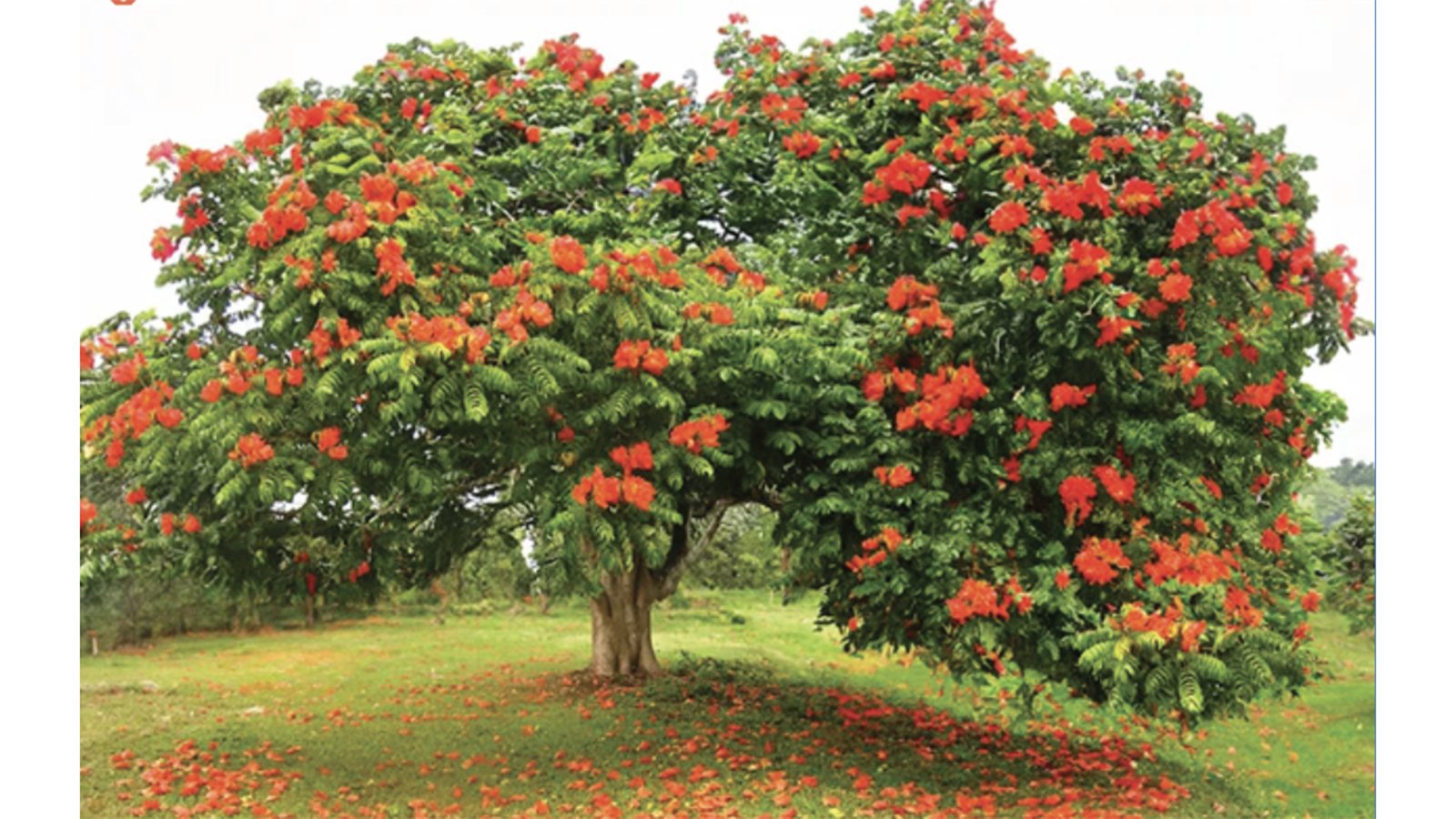
Andrew Mangwarara
The African Tulip tree is a native of tropical central Africa (Burundi, Cameroon, Equatorial Guinea, Togo, Angola etc) which has become popular in many gardens.
This tree has been used by many cities in Zimbabwe as a street tree, however, it prefers wetter climates such as the Eastern Highlands.
Spathodea campanulata grows up to 25m with a spreading crown, make sure you have enough space in your project.
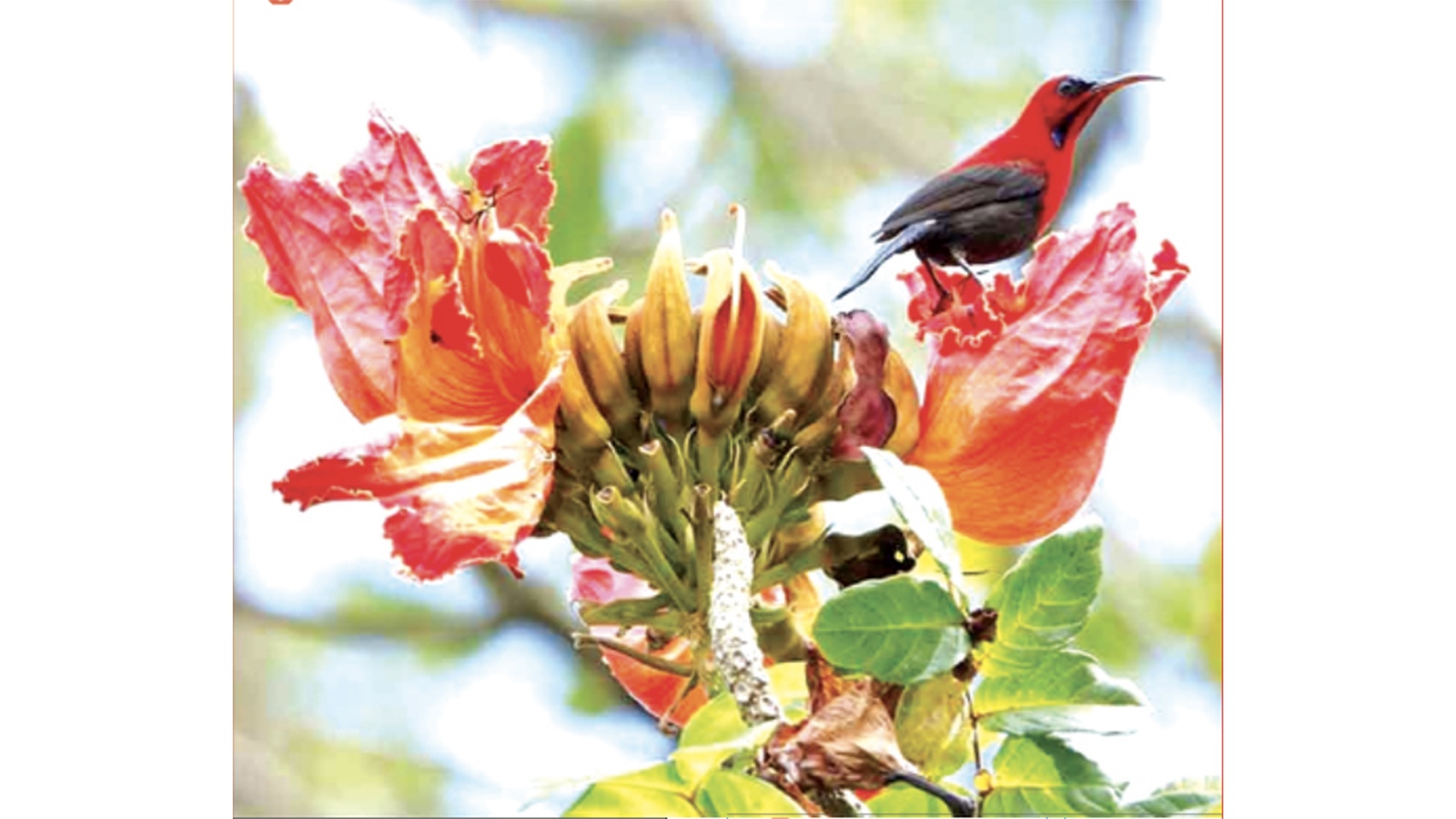
The attractive ornamental feature for this tree are its large tulip shaped flowers, orange-red in colour.
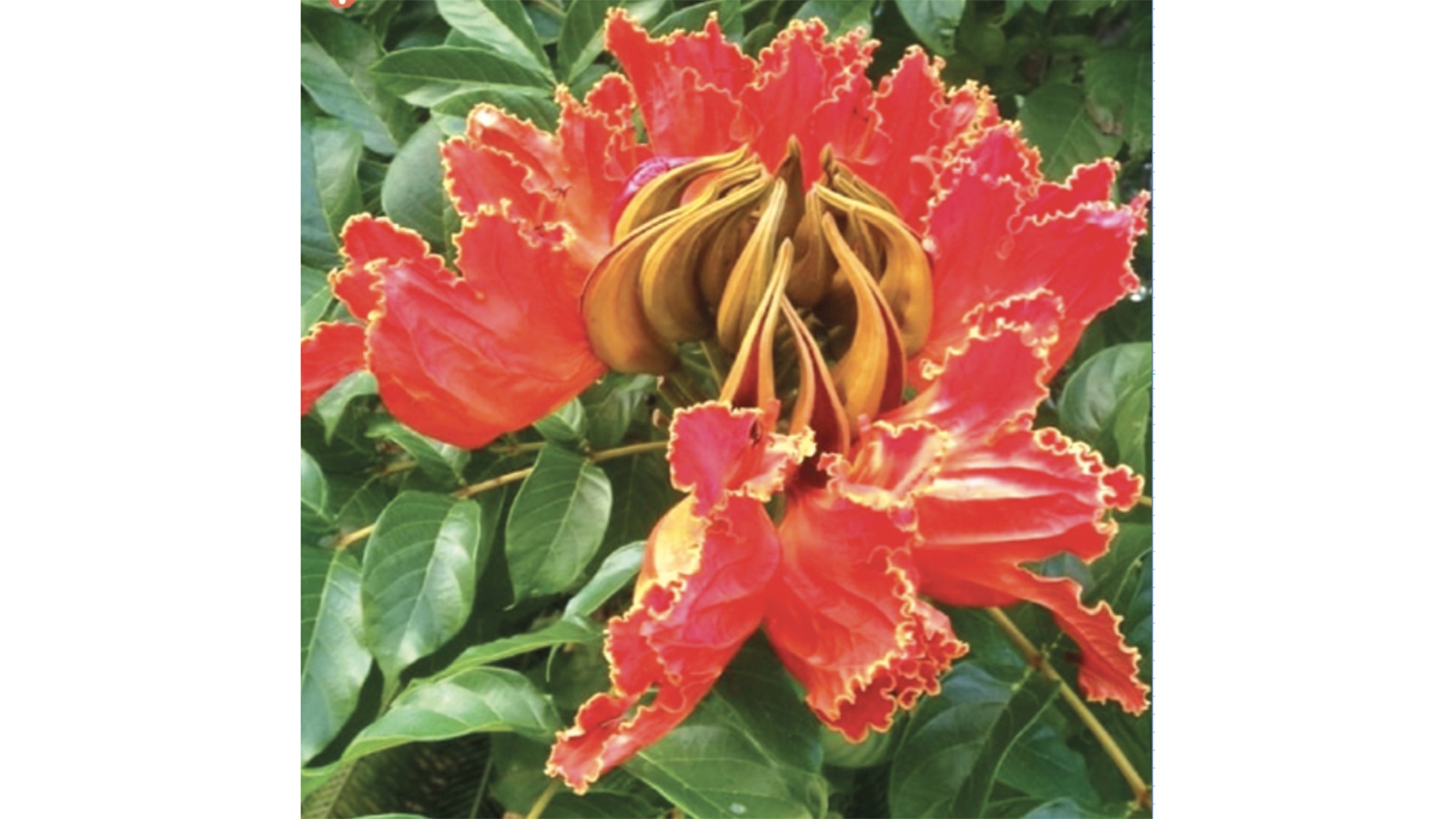
It sends an invigorating message of colour and life. Ornamentally it is useful for livening a landscape.
The tree can flower all year round in ideal conditions, making it a great subject for gardening.
As a legume, it can be planted for soil improvement, soil erosion control and shade in coffee plantations.
The African Tulip tree is a fast grower, making it a good option for quick results.
Propagate easily from seed and cuttings. However, as a tree, it requires a good space away from buildings as its branches are very brittle, breaking easily.
It is considered as an invasive tree in other countries, but won’t be a problem in drier climates. Its large seed pods can be messy on a tarred surface.
Medicinal uses for the tree are many, but it is recommended to always seek proper medical advice from health officials.
For greening purposes, it is a good tree to consider as it has an African origin.
If you would like to be featured in our green up campaign contact us on the above number. Feedback: [email protected] or [email protected]



 Bongani Ndlovu