

 admin
admin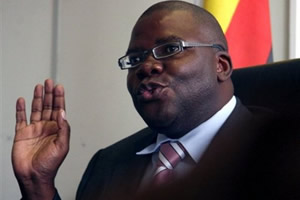
Addressing delegates at the Confederation of Zimbabwe Industries conference in Nyanga last Thursday, Mr Lenneiye said the measures that the Government had put in place to offset its foreign obligation “sounded reasonable” and this could pave the way for the World Bank to resume financial aid to Zimbabwe.
The country’s debt, estimated to be around US$10,7 billion, according to the IMF, has been a major impediment to speedy economic recovery as it continues blocking capital inflows for various infrastructure and economic programmes.
“We think what Minister of Finance (Tendai Biti) has so far put in place in terms of debt repayment sounds reasonable,” said Mr Lenneiye.
“We think in the new year (next year) the process of lending could begin.”
However, head of the European Union to Zimbabwe Aldo Dell’Ariccia told the same conference last Friday that the bloc would only reconsider advancing credit to the country if Harare settled its obligations to EU creditors.
“The EU cannot unveil credit (to Zimbabwe) at the moment because of the existing debt,” he said.
The World Bank and the IMF cut aid to Zimbabwe in 2001 when the country embarked on the agrarian reforms leading to the imposition of illegal sanctions by Western countries.
In March, Minister Biti unveiled a debt resolution strategy in a bid to unlock external financing for economic development. The plan, called Accelerated Arrears Clearance, Debt and Development Strategy, seeks ways to retire the country’s debt overhang.
The strategy is a combination of old debt relief mechanisms, injection of capital by development partners, leveraging of natural resources and the removal of illegal sanctions imposed by Western countries.
It involves stricter debt management through a debt management office, creation of database validation and reconciliation with all creditors, negotiating arrears’ clearance and a relief plan.
It will also include re-engagement with the international community for normalisation of relations, removal of sanctions and leveraging resources.
Unveiling the new debt plan in March, Minister Biti said Zimbabwe could not deal with infrastructural challenges without funding and assistance from international financial institutions and bilateral partners. Zimbabwe’s huge debt liability is largely a result of the country’s economic instability over the decade to 2008, which constrained its capacity to repay.
Last year, the African Development Bank cited the country’s debt overhang as a major stumbling block to Government’s efforts to attract foreign investment. Some of the institutions owed by Zimbabwe are the African Development Bank (US$529 million), World Bank (US$1,5 billion), the International Monetary Fund (US$550 million), European Investment Bank (US$221 million), among others.



 Online Reporter