


 Online Reporter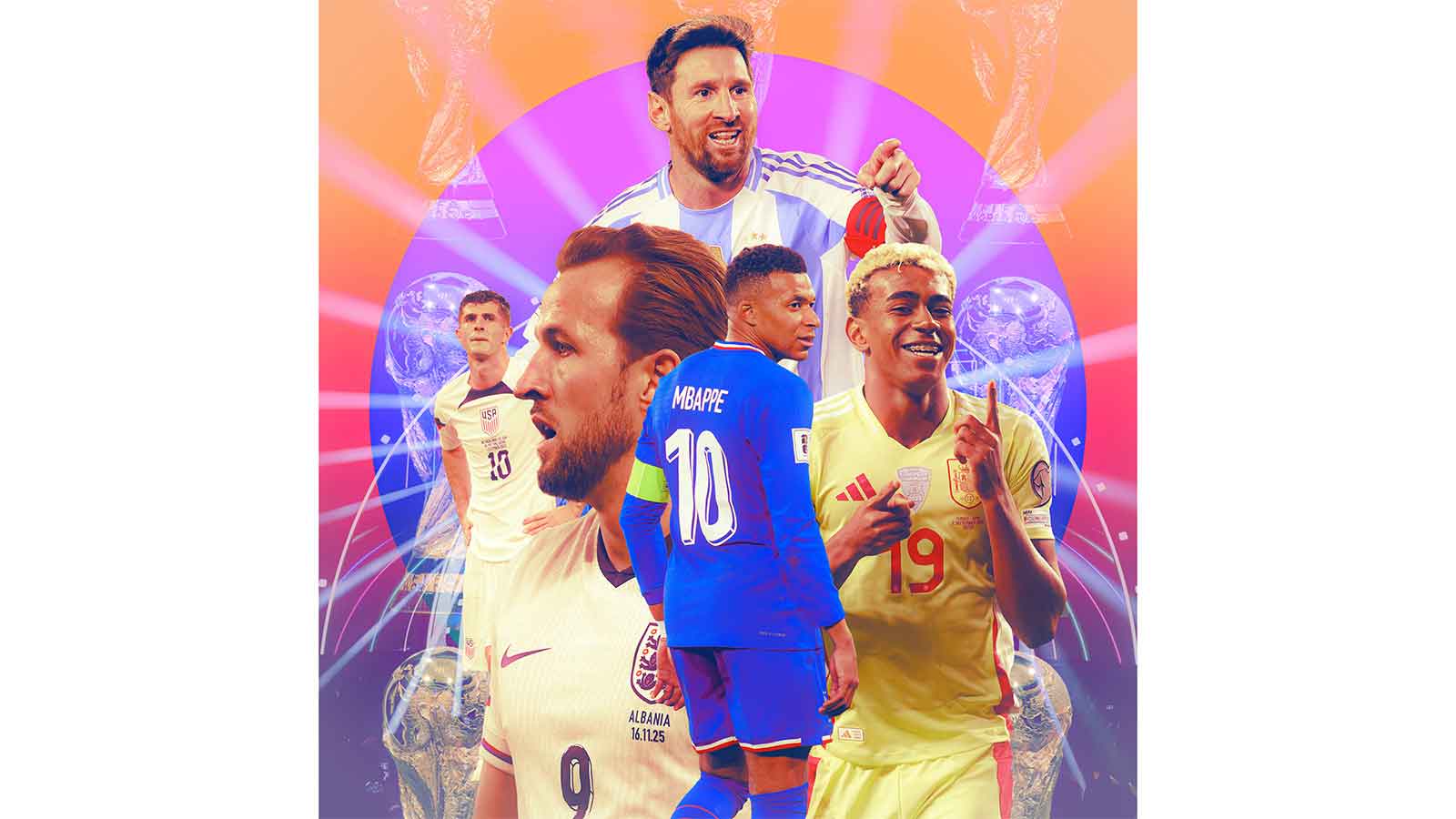
THE FIFA World Cup is celebrated as the greatest sporting event on earth, bringing together nations, cultures and millions of football fans in a month-long festival of sport.
Yet, despite its ability to unite people, the World Cup, which gets underway tonight, has often found itself at the centre of controversy.
From corruption allegations and political disputes to human rights concerns and now immigration issues, the tournament has repeatedly demonstrated that football does not exist in a vacuum.
The latest controversy surrounding the 2026 FIFA World Cup involves Somali referee Omar Abdulkadir Artan, who was denied entry into the United States despite being selected to officiate at the tournament.
Artan, who was set to become the first Somali referee to work at a FIFA World Cup, was turned away by US authorities over unspecified vetting concerns, effectively ending his dream of participating in football’s biggest stage.
FIFA later confirmed that he would not be part of the tournament.
The incident has sparked outrage across Africa and among football supporters worldwide.
Many argue that if a referee selected by FIFA and issued the necessary travel documents can still be denied entry, it raises serious questions about the inclusivity and accessibility of a tournament that claims to represent the entire world.
Critics say the episode has cast a shadow over the competition even before matches have been played.
However, the Somali referee saga is merely the latest chapter in a long history of World Cup controversies.
FIFA itself has frequently been criticised over allegations of corruption, particularly in the awarding of hosting rights.
The selection of certain host nations has often generated debate, with critics questioning whether football considerations were secondary to political and financial interests.
Questions about the treatment of migrant workers, restrictions on freedoms, and the environmental impact of hosting such a massive event have led many to ask whether FIFA places commercial success ahead of ethical considerations.
Political disputes have been another recurring feature.
Governments and political leaders often use the World Cup as a platform to project influence, while diplomatic tensions between countries can spill over into football.
Visa restrictions, travel bans and security concerns have occasionally complicated participation for players, officials and supporters alike.
The Omar Artan case has once again highlighted how politics and immigration policies can directly affect the game.
Even on the pitch, controversies are never far away. Disputed refereeing decisions, allegations of bias, match-fixing claims and debates over technologies such as VAR have frequently dominated headlines. While football fans expect passion and disagreement, repeated controversies can damage confidence in the fairness of the competition.
Despite these challenges, the World Cup remains a powerful symbol of global unity. That is precisely why controversies surrounding it attract such intense scrutiny.
We expect the tournament to embody fairness, inclusion and equal opportunity. When those values appear compromised, criticism is inevitable.
The case of Omar Artan serves as a reminder that the World Cup is about more than goals and trophies.
It is also about ensuring that football’s promise of bringing the world together is honoured in practice.


 Bongani Ndlovu
Russia attacked Ukraine on reasons about her security and was banned by FIFA from participating in the world cup. The USA attacks Iran using the same reasons and is awarded by being given a slot to host world cup matches by the same FIFA that banned Russia. This whole world is full of hypocrites, fully blooded hypocrites who should be ashamed of themselves.