admin
admin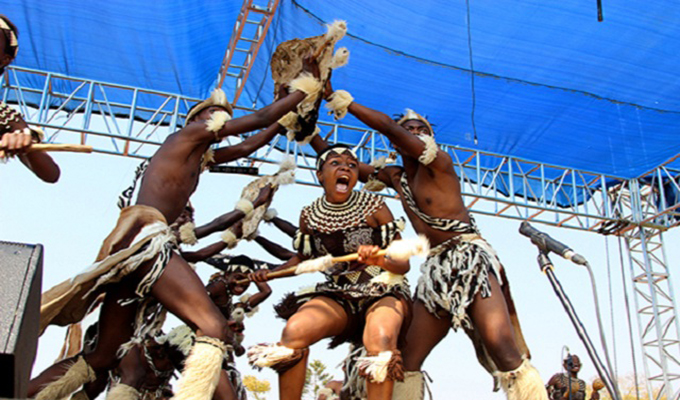
Raisedon Baya
ON 27 March 2019 is World Theatre Day. This is the day set aside by the International Theatre Institute (ITI) for the world to celebrate this powerful arts genre. Every year the International Theatre Institute chooses one person to write the World Theatre message. This message is usually read across the world. Of course, the writing of the yearly message is an honour usually bestowed on renowned thespians from anywhere in the world by the International Theatre Institute (ITI). Previous writers of the message include Dario Fo, John Malkovich, Judi Dench, Augusto Baol, Vaclav Havel, Wole Soyinka, and Bret Bailey to name but a few. This year’s message comes from Cuban theatre director Carlos Celdran who talks about the theatre having a tradition, known legacy and being a world on its own.
Theatre is alive in this country. It has survived under very difficult conditions and remains in Bulawayo and should be celebrated — for what it has done and the potential it has in changing the world and making it a better place. I know some people have asked what’s there to celebrate? A genuine question indeed. However, contrary to what many may think, Zimbabwe has so much to celebrate in terms of theatre. True. The country may not be doing too well economically, what with many theatre artistes are not making a living out of their art — but the bigger picture is that we have made serious strides in developing the genre and giving it space to grow and develop.
Growing up in the townships few people knew what theatre was. In Bulawayo theatre was Amakhosi Theatre. They defined it and pushed it to most of corners of the city, country and even represented abroad. There were also others like Dramaforce, Coreforce, Young Warriors, NASA (later Siyaya), Mawa, Yawu and a few others. These were the pioneers, those that started on this journey. As a result a lot of young people were inspired and chose to follow Cont Mhlanga and Amakhosi’s footsteps. Then the University of Zimbabwe introduced a theatre arts degree. Then we had a lot of non-governmental organisations (NGO) realising the communicative power of theatre and embracing it. Then we had schools warming up to the idea of drama and theatre in schools. And only last year national Government through the Ministry of Primary and Secondary Education formally introduced theatre arts in schools. So we have a lot to celebrate.
In Harare there is a theatre festival that has been put together to celebrate theatre in this country. There will be a symposium and some theatre performance. The Harare gathering has some international thespians gracing the occasions. In Bulawayo we are celebrating the day belatedly with three performances of three different plays. The three plays are The Witch Hunters, a story about a 94-year-old woman who suddenly finds herself being accused of witchcraft by her own village and the people that grew up under her eyes, Garden of dreams, about mental health in a deteriorating socio economic environment and The Last Days of King Africa. All performances are at Bulawayo Theatre. There will be a schools’ performance on 4 April.
I could give so many reasons why we need to celebrate theatre. But the most important one is that it is one arts genre that has been resilient and has given the poor people of this country more than a voice. People’s stories have been told. Poor people have been given a voice through theatre. So celebrations are in order. During these celebrations we are also hoping to see new audiences. So we are encouraging people to bring friends and family to enjoy good theatre at Bulawayo Theatre.


 Online Reporter