admin
admin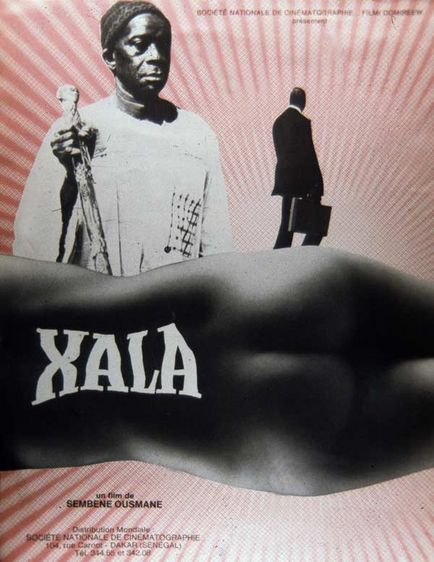
The Reader With Lovemore Ranga Mataire
MOST African literature is unique in the manner it portrays different themes that are directly linked to traditional beliefs of local communities. This uniqueness is exemplified by numerous works of native Africans writing about Africa.
While it is correct that most influential African literature emerged at the end of colonialism, it is also true that most African writers derive inspiration from their portrayal of the residual effects of colonialism.
However, while some literary works derive inspiration from the corrupting influences of colonialism and have consistently fought to “preserve” the reality of colonialism in their works to safeguard the history from being distorted, some have taken a different route that focuses on the examination of the hangover of colonialism that keeps haunting African states.
The colonial hangover normally manifests itself among those that masquerade as Africans, while in reality they have simply taken the mantle of colonialists in their conduct by exploiting their kinsmen and engage in the same nefarious activities practised by colonialists.
In Xala, Senegalese Sembene Ousmane, just like the Kenyan Ngugi wa Thiong’o in Matigari, is concerned with employing the supernatural as a liberating tool for the oppressed and a punitive strategy for the oppressors.
As the novel begins, El Hadji Abdou Kader is at the peak of his business career and decides to marry a third wife N’Gone, a pretty woman who is also much younger than him. Taking a third wife is like a status symbol which places him in the realm of the affluent top African class.
However, soon after his marriage, El Hadji suffers a personal calamity as his manhood fails to erect as he is struck by Xala, which in the Wolof language means impotence.
He spends a lot of money consulting countless marabout healers to no avail.
His Machiavelli character is aptly contextualised when the narrator says: “El Hadji Abdou Kader Beye was what one might call a synthesis of two cultures: business had drawn him into European middle-class after a feudal African education. Like his peers he made a skilful use of his dual background, for their fusion was not complete.”
The opening of the book is punctuated by the election of the first African to head the Senegalese Chamber of Commerce and Industry. This moment of triumph means “access to the heart of the country’s economy, a foothold in the world of high finance and of course the right to walk with the head held high.”
Xala is thus part allegory, and several parts are a social critique addressing both polygamy and its effects on families as well as the corruption of the rising business class after independence.
Although the type of the plot in the novel centres on social realism, the notion of the supernatural occupies the whole flow of events in the novel such that everything else revolves around it.
El Hadji’s third marriage becomes a farce as he becomes an object of ridicule.
He is to later learn that the beggar who sings daily outside his office is the one who inflicted the Xala because of the way he treated him way back.
The novel portrays the exploitation of Senegalese people while at the same time prophesying that their suffering will one day come to an end.
El Hadji can thus be taken to represent the elite or the emerging bourgeoisie who oppress the beggar who represents that whole fraternity of the poor and the Xala symbolises the poor’s means of struggle.
El Hadji’s fall from the sublime to the lowest ranks of society is what controls the plot with the Xala, which is beyond any scientific explanation symbolizing the triumph of the oppressed over the oppressors who are taking away the land of the poor as seen when Hadji grabs a piece of land from the beggar.
Xala is a biting satire lacerated with a tone of seriousness for it is through El Hadji’s tale that Ousmane is also narrating the story of exploitation of the poor by the elite who are now the new oppressors within the structures they have inherited from the colonial masters.
El Hadji has no hesitation in spending money recklessly on his own foibles when they are beggars sitting outside his office for which he shows much contempt.



 Online Reporter