Online Reporter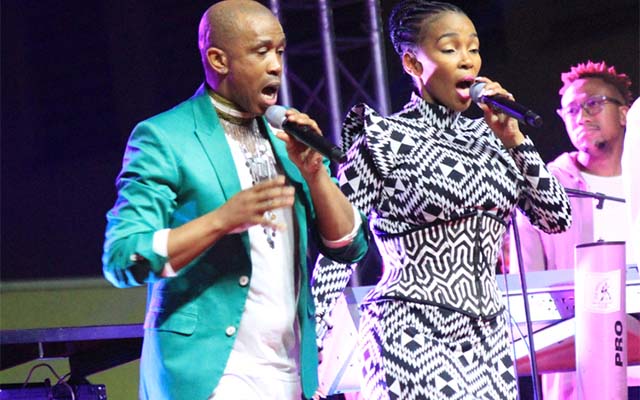
Tafadzwa Zimoyo
Zimpapers Entertainment Editor
THE Southern African entertainment industry is going through a volatile shake-up as rising xenophobic tensions spill to music, festivals and live events.
This is forcing organisers to cancel bookings, rewrite line-ups and navigate a growing wave of public pressure.
What began as heated online debate around illegal immigration in South Africa has now escalated into a cultural and commercial storm that is reshaping how shows are curated across the region.
Social media platforms have become powerful pressure zones where decisions on who performs are increasingly influenced by public sentiment, political frustration and viral campaigns.
Industry stakeholders say the situation has created one of the most unpredictable booking environments in recent years, with promoters forced to weigh contracts and creativity against reputational risk and potential backlash.
Cross-border collaboration – for long a hallmark of Southern African music – is now under visible strain.
“It’s sad because music is supposed to unite us but now everything feels divided.
“Even big shows are being changed because of anger online. We are losing the spirit of African unity in entertainment,” said one fan identified as Martin Bla Shoz.
A local artist, who commented on anonymity, said:
“This wave is affecting us deeply as artists. You can be booked today and cancelled tomorrow because of public pressure.
“It’s no longer just about talent or contracts – fear of backlash is now driving decisions, and that is killing regional collaboration.”
The latest casualty is South African musician Musa Keys, who has been dropped from the upcoming “Mighty Zambezi Bonfire” festival set for Saturday at Donnybrook Park in Harare.
Organisers confirmed a revised poster this week featuring a fully Zimbabwean line-up after mounting pressure on social media calling for the exclusion of foreign acts.
The festival, returning after a four-year hiatus, had been expected to mark a revival of Zimbabwe’s iconic winter outdoor experience.
Known for its central bonfire concept, the event traditionally blends live music, food culture, lifestyle experiences and communal celebration.
Instead, its comeback has now become part of a wider regional debate on the role of foreign artists in local entertainment spaces.
A fan supporting the shift said:
“It’s time organisers prioritise local talent. We cannot always depend on foreign artists when our own are available and talented.” But the growing trend is also raising concern within the industry.
“This is getting bigger than anyone expected. Today it’s one festival, tomorrow it’s another country’s event affecting your booking. Once the industry becomes driven by pressure instead of planning, everyone loses in the long run.”
Despite the controversy, the Mighty Zambezi Bonfire organisers insist the festival remains focused on restoring its original spirit.
This year’s line-up now features a strong local roster including Djembe Monks, Kotwane Hikwa, DJ Klique, ExQ, WowRae, Sam Cosmic, Takura and Tammy Moyo, among others.
Organisers say the event is more than just a concert but a cultural lifestyle experience built around a communal bonfire that connects people through music, food and storytelling.
“The Mighty Zambezi Lager Bonfire Festival has always been more than just an event, it is a unique lifestyle and cultural experience made for our Zambezians,” organisers said.
“It brings us together to enjoy Zambezi Lager and celebrate the great outdoors, music and storytelling, while building connections around the warmth of one large, unifying bonfire.”
Ahead of the main show, a series of Bonfire Micro Events have already been staged in Kadoma, Bulawayo and Harare as part of the build-up to the festival’s return.
Earlier this week, South African group Mafikizolo was removed from the Buddie Beatz concert scheduled for Sunday, further intensifying debate around the place of regional acts on local stages.
Meanwhile, pressure is also mounting on sungura icon Alick Macheso, with some fans urging him to drop South African star Makhadzi from the Cheso Power Festival set for July 31.
Now the debate has reached the diaspora circuit, with fans calling on organisers of ZimFest in the United Kingdom to reconsider including South African artists in their upcoming editions.
Social media users argue that Zimbabwean festivals abroad should focus more on homegrown talent, reflecting the same “local-first” sentiment spreading across the region.
Promoters say they are now operating in a “high-risk booking era,” where every international act is assessed not only on popularity and cost, but also on potential backlash and audience reaction.
Cultural analysts warn that while public frustration is real, the growing trend risks weakening decades of artistic exchange that helped build Southern Africa’s vibrant cross-border music culture.
For now, the industry remains on the edge.
As festivals adapt and line-ups shift, the region’s entertainment landscape is being reshaped in real time – where music is no longer just about performance, but also politics, identity and public emotion.