Online Reporter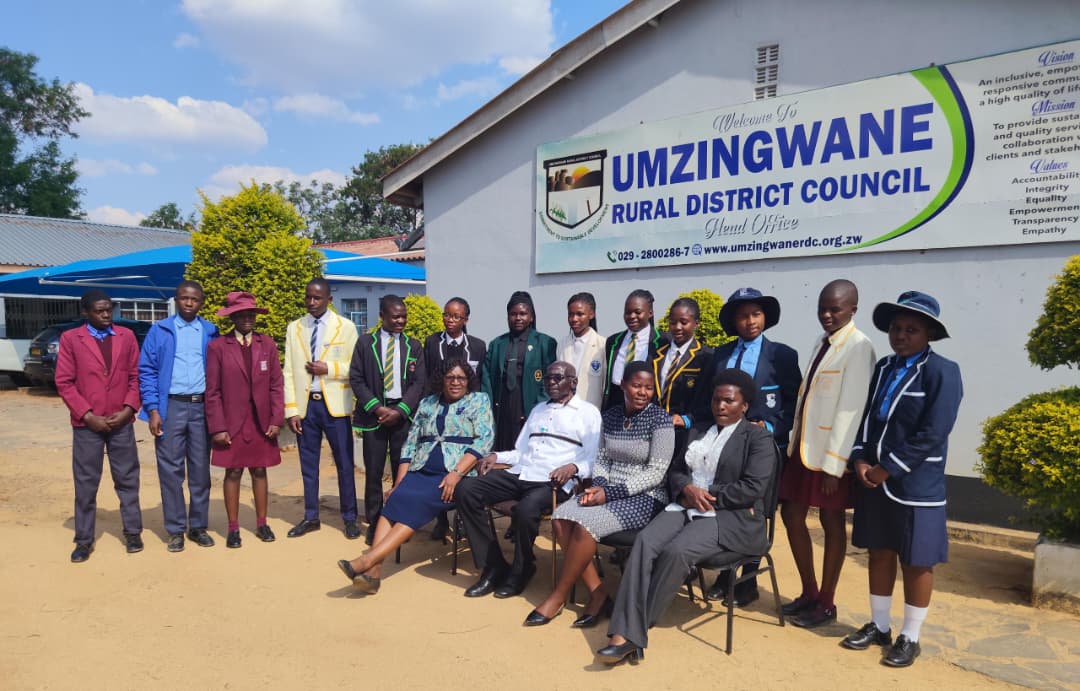
Nothando Zondo, Sunday News Correspondent
YOUNG leaders in Umzingwane have put the spotlight on challenges threatening access to education in the district, with long distances to schools, unsafe highway crossings, teacher shortages, water shortages and food insecurity emerging as major concerns.
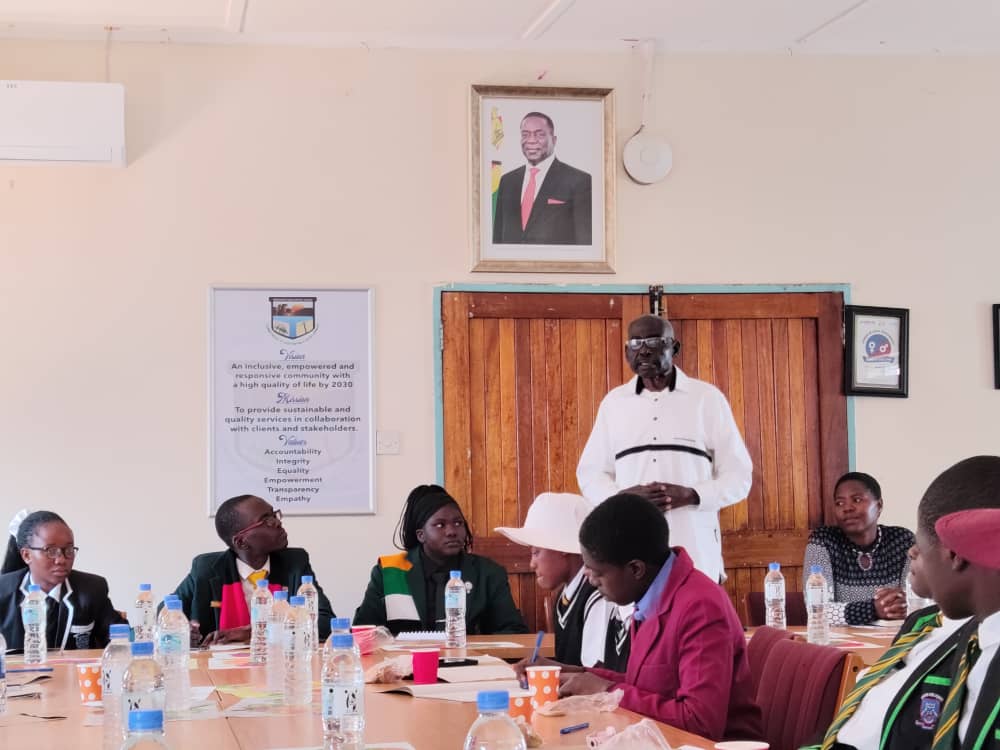
The concerns were raised by the Junior MP, junior councillors and Rural District Development Committee (RDDC) members following consultations with learners and schools across eight wards.
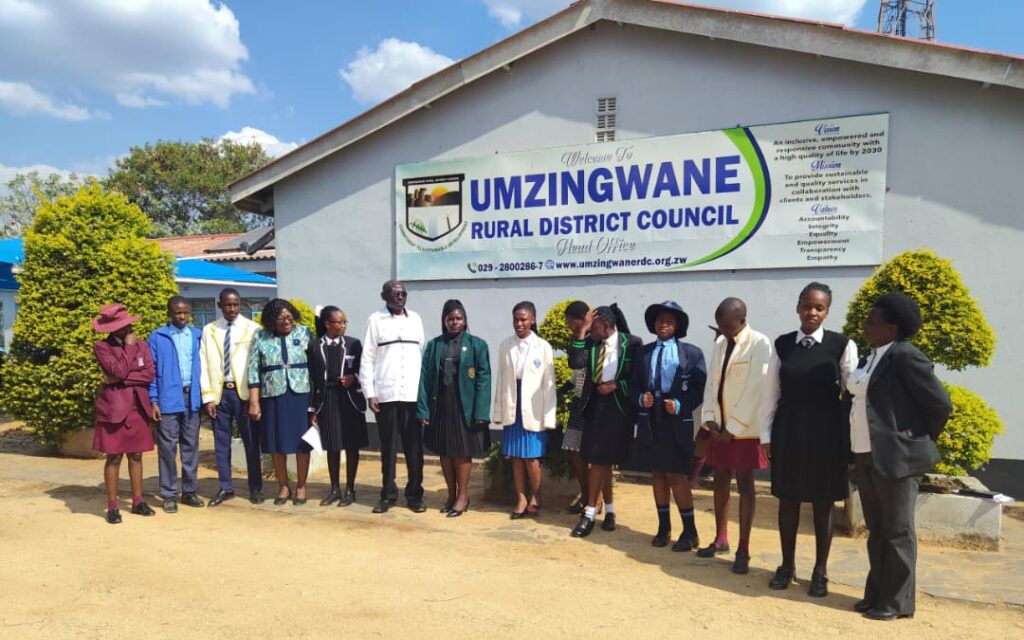
The young leaders presented their findings to Umzingwane legislator and Deputy Minister of Defence Brigadier-General (Retired) Levi Mayihlome last week, with stakeholders calling for coordinated interventions by Government, communities and development partners.
The engagement followed a letter submitted to Brig-Gen (Rtd) Mayihlome by Umzingwane Junior Senator Ronald Nyamadzawo outlining challenges identified during the consultations.
Brig-Gen (Rtd) Mayihlome commended the young leaders for engaging communities and bringing the concerns to the attention of authorities.
“I commend the Junior MP and Junior Councillors for engaging communities and bringing these challenges to our attention,” he said.
Ronald said the consultations had demonstrated the need for communities and stakeholders to work together in addressing barriers affecting learners.
“Our consultations revealed challenges that require the collective efforts of Government, communities and development partners,” he said.
One of the most pressing concerns was the distance some learners travel to access education.
Sigola, Bafazi and Portbury were identified as areas in need of new schools, while a school being offered by a private investor in Godlwayo was highlighted as another possible intervention.
Brig-Gen (Rtd) Mayihlome said the establishment of more schools in the affected areas would reduce the distances travelled by learners.
The stakeholders also proposed expanding low-cost boarding facilities for learners who live far from schools, while School Development Committees and school heads were encouraged to consider investing in school buses.
Education authorities were tasked with compiling a list of learners who need bicycles to ease transport challenges, with stakeholders urged to mobilise resources and engage development partners.
Road safety emerged as another major concern, particularly for learners who have to cross the highway to get to school.
Matshetshe, Mawabeni and Mbalabala were identified as priority areas requiring intervention, with calls for authorities to monitor identified crossing points.
“We must protect learners when they cross the highway by ensuring that the identified crossing points are properly monitored.
Police officers should assist learners at identified crossing points in the mornings,” said Brig-Gen (Rtd) Mayihlome.
Stakeholders also proposed the installation of speed humps at appropriate points to improve road safety.
The education challenges extend to staffing, with shortages of teachers, particularly in Science,
Technology, Engineering and Mathematics (STEM) subjects and Early Childhood Development (ECD), being raised.
Stakeholders called for vacant teaching posts to be filled, while parents and School Development Committees were encouraged to complement Government efforts through the construction of classrooms and other essen-tial infrastructure.
The replacement of pit latrines with proper ablution facilities was also identified as an area requiring atten-tion.
Water shortages affecting schools and clinics were another concern, with stakeholders proposing solar-powered boreholes as a possible solution.
Kumbudzi Primary School was singled out for attention because of its low water table.
Food insecurity was also raised, with Brig-Gen (Rtd) Mayihlome encouraging schools to work with the Ministry of Agriculture to establish food production initiatives that could provide learners with nutritious food.
“Schools should work with the Agriculture Department to produce food and relish for learners,” he said.
Beyond infrastructure and access to education, stakeholders discussed teenage pregnancy, HIV and other health concerns, as well as drug and substance abuse.
One proposed intervention was the establishment of a hotline through which members of the public could re-port drug and substance abuse cases and related crimes.
A junior councillor also called for greater investment in recreational facilities in schools and communities, say-ing safe spaces could help keep young people occupied.
“Recreational facilities will keep young people occupied and provide them with safe spaces in their communi-ties,” said the councillor.
The meeting also encouraged schools to participate in environmental cleanliness programmes.
Brig-Gen (Rtd) Mayihlome urged the Junior MP and junior councillors to continue engaging communities and stakeholders, saying their participation in addressing local challenges was important in preparing them for fu-ture leadership responsibilities.
He also urged learners to maintain discipline and respect their teachers, parents, elders and fellow learners.