Andrew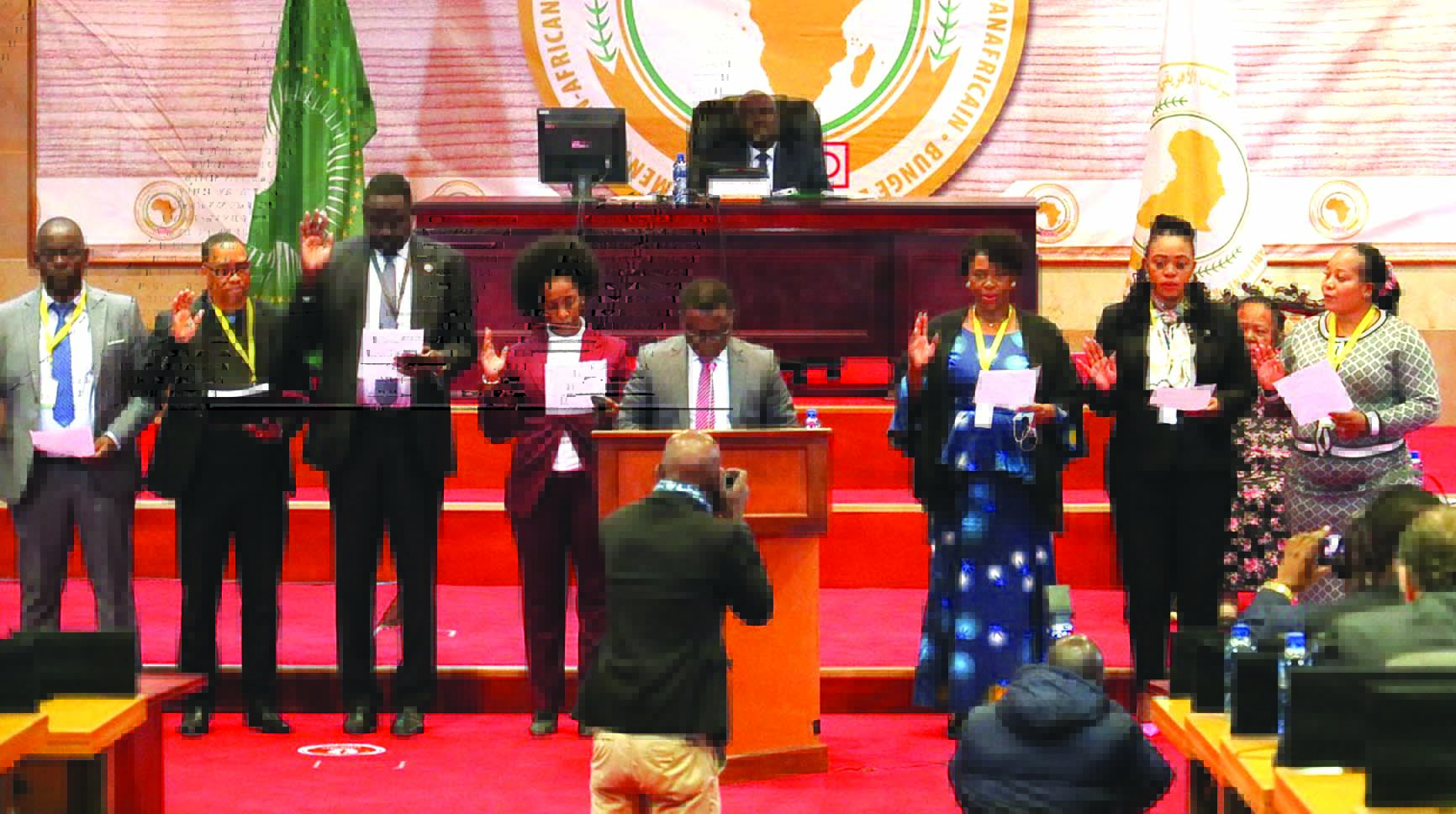
On June 28, Seke-Chikomba Member of Parliament Tatenda Mavetera (TM) was sworn in as a member of the Pan-African Parliament (PAP) in Midrand, South Africa.
She replaced Chirumhanzu South legislator Barbara Rwodzi, who relinquished her seat following her appointment as Environment, Climate, Tourism and Hospitality Industry Deputy Minister. Honourable Mavetera was also elected first vice president of PAP’s Young People and Youth Caucus. The Sunday Mail Assistant Editor ROSELYNE SACHITI (RS) speaks to her on the latest developments and other issues.
****
RS: Walk us through your journey in politics. What motivates you?
TM: Politics has never been an easy game, but what is important is to act on principle. When you are a principled person in politics, you won’t be swayed by everything that comes by.
My journey has been to look at how consistent and determined I can be as a leader. You meet a lot of criticism and also people who praise what you are doing.
In politics, not all smiles are genuine. There are some people who lend you an ear so they can plan against your ideas. That is how the game of politics works.
What motivates me is that within this New Dispensation under the leadership of His Excellency Dr ED Mnangagwa, young women have been given an opportunity to occupy certain positions, which will be able to make us propel the issue of involving and mainstreaming young people’s issues. As a young woman, l am very motivated. I am seeing that we are capable.
RS: Being an MP for the PAP, what are your immediate goals? What are the top-three priorities?
TM: One of the immediate goals is a united and strong Africa which will be built through partnerships between governments and all segments of the society, in particular women as well as the youth.
We need to strengthen solidarity and cohesion among these people. It’s quite important for us and that is the first thing I will be looking at. We also need to accelerate the implementation of polices that are pro-women and youth to promote socio-economic development for Africa.
We need to be effective when it comes to challenges that are posed by globalisation.
We also need to promote women’s, girls’ and youth rights to ensure there is good governance and the rule of law applies to everyone.
This is what we have done as a country. We always uphold people’s rights. We now need to at least pursue ensuring women’s and youth rights are also adhered to. I am happy that we have had the Marriages Bill and also even the Child Justice Bill in Parliament.
RS: From your experience as a young MP in Zimbabwe and now the new journey at PAP, what are your major concerns with regards to women representation in politics?
TM: I feel it is quite important that we continue having legislation that is pro-women.
When it comes to women’s inclusion and representation in these forums, we still have a long way not only in Zimbabwe but in Africa.
The PAP chairperson is also a man. I feel that women need to be capacitated. We are happy now that back home President Mnangagwa has been so clear on capacitating women.
In Zimbabwe, we have provisions which accommodate women’s involvement and participation, the extension of the women’s quota and introduction of the 30 percent proportion for councillors.
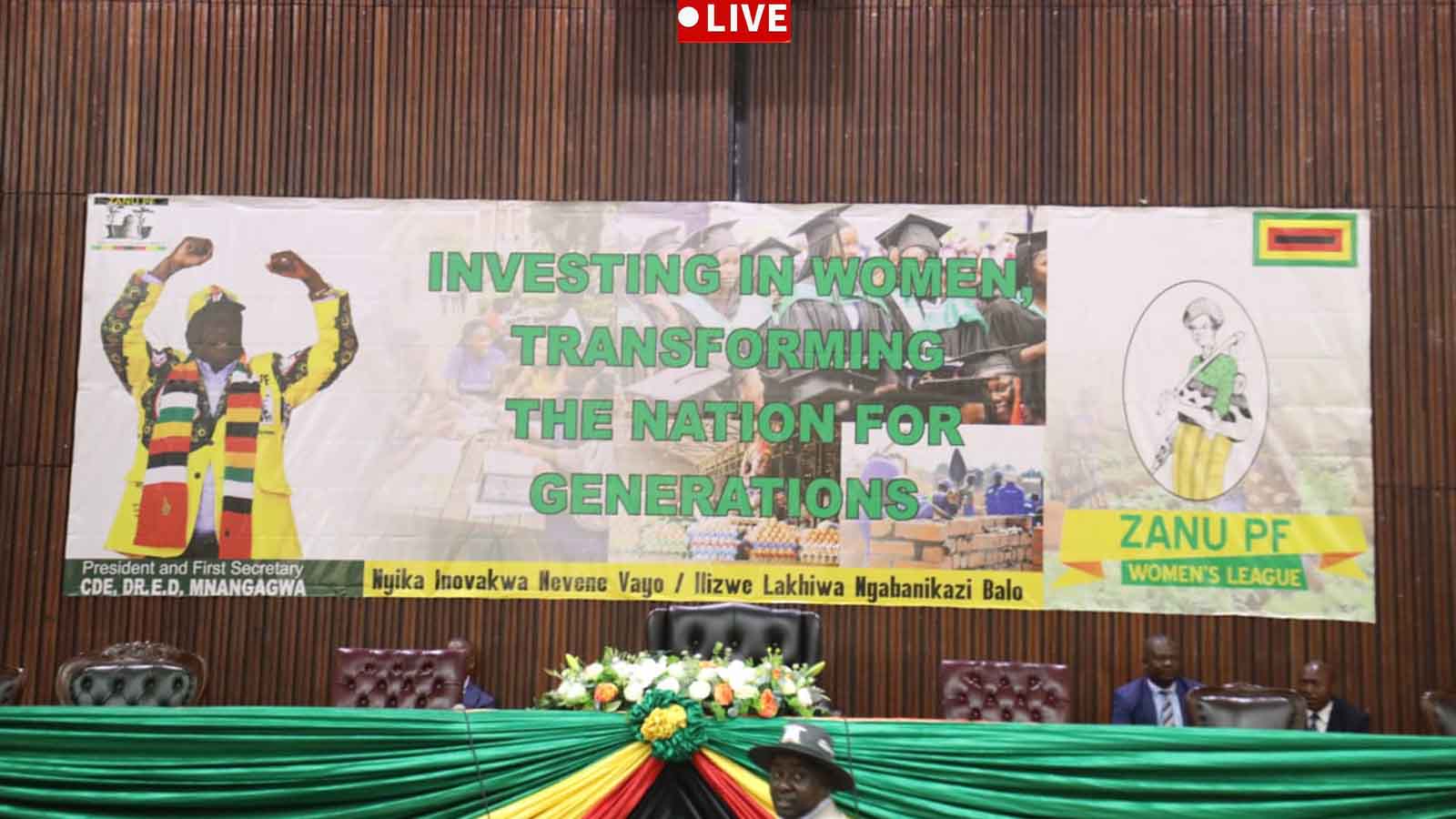
These are provisions which I believe are meant to ensure that we at least push towards involvement of women and youths. The provisions are also meant to mainstream youth and women when it comes to politics, but, of course, it is still a journey. Zimbabwe is doing well. Our President even said it recently at the ZANU PF Women’s Conference that they are going to continue looking for more measures and policies that propel women’s involvement in politics and key decision-making positions.
The major concerns with regards to women representation in politics include triple roles that women play. Sometimes you find it difficult because even your own spouse does not understand politics.
The woman is a wife, mother and a worker, and they won’t be able to balance all that. I have also realised that politics needs people that understand these things.
The other issue is that of resources. We need resources and if we are incapacitated financially, sometimes it becomes a challenge.
Women also fear the unknown. A lot of women think and believe that politics is dirty, so they can’t involve themselves. They also think its harsh. Sometimes as a woman, your integrity is very important. So, this alone also prevents women from getting into politics.
RS: Having said the above, in what ways can young women be encouraged to take up politics?
TM: Young women need to be encouraged that they can do it. One thing people need to realise is falling doesn’t mean the end of the world; what is important is for you to pick up the sticks when you fall and be able to move on.
Young women should be involved so they can show their capabilities.
They should be patriotic to be able to defend their country and be involved in these political processes. You realise that young people don’t even want to register to vote, yet, in actual fact, it is their right to go and vote. However, it is also important for us to realise that young people are important even if you look at the demographic dividend. They are quite many. I think they constitute 60 percent of the population. I feel they are not supposed to be looking from the periphery; they need to be involved. I want to encourage them to take up these political spaces.
RS: Do you personally have a mentor and are you mentoring anyone?
TM: There are a lot of people I look up to. I will speak of the First Lady Dr Auxillia Mnangagwa being one of my major inspirations. The First Lady is very humble. She suits in every corner and every place. When I look at her, I am very inspired by the way she dedicates her time and effort towards helping people.
She has been my greatest inspiration. I am inspired by the philanthropic work she does. She devotes her time to everything she does. Even the way she dresses, you may think she wears fancy clothes, but she dresses so simple. You can even see her putting on simple shoes (ma tomy). You realise that she is a down-to-earth character. Right now, she has a doctorate.
She was able to do lots of things which made her get the traction of even people internationally who recognise her efforts. They were able to award her this doctorate, and, for me, this is the inspiration I get. It makes me want to work so hard. The results are seen.
In politics, I like the way she handles and balances the all-inclusive agenda for every person in Zimbabwe. She knows that inasmuch as she is a politician, she is also the mother of the nation. I think this is very good balance.
I am very inspired by what she does.
RS: What are your views on cyberbullying of female politicians. How does this impact on their participation?
TM: Cyberbullying is very common. It’s very sad but you come to realise that you get all these people.
We said women’s integrity is very important even in politics. The moment that you are compromised it also affects your standing in politics. I am happy we have got a Data Protection Act.
I feel we need the implementation of these Acts. I feel there are some ethics that are prescribed within the journalism field. I think it would be good if journalists do not entertain some clueless people who go out just to try to tarnish people’s image.
They need to be ethical; they are not supposed to be mouthpieces of individuals.
Cyberbullying affects a lot of women and that alone makes them not want to get into politics. I have always said you need to keep your eyes on the ball because the moment you get involved in politics, you should be able to put on a thick skin. You are bound to get people opposing and always fighting. At the end of the day, one needs to be very strong.



 Online Reporter