daniel chigunwe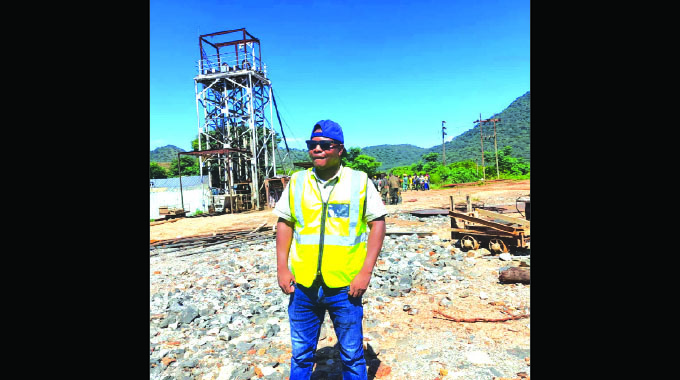
Nqobile Bhebhe
Bulawayo Bureau
The small-scale mining sector in Zimbabwe has made remarkable progress over the years, particularly with the involvement of young people who have emerged as major contributors to the annual gold output.
As the country commemorates its 44th independence anniversary next week under the theme, “Zim@44 Unity, Peace and Development towards Vision 2030”, observers say it is essential to recognise the significant progress the nation has made in empowering its youth in the mining sector.
Under the initiatives of the Second Republic, young people have gained access to extensive economic opportunities, and previously restricted sectors are now open to them.
The strides reflect a commitment to inclusivity and the recognition that youth play a vital role in shaping the country’s future.
Independence Day holds deep meaning for the youth — a time to reflect on the immense sacrifices made by heroes and heroines who fought for the nation’s liberation.
Their courage and dedication continue to inspire generations, reminding them of the importance of unity, resilience and progress.
The post-independence era has witnessed transformative measures aimed at development and empowerment, particularly for the youth.
The country boasts abundant natural resources, including minerals such as gold, platinum, chrome, nickel and lithium.
These resources have been pivotal in driving economic growth and providing opportunities for empowerment.
Therefore, the mining sector has been a significant avenue for youth involvement and post-independence policies have prioritised equitable resource access.
Efforts have been made to dismantle colonial barriers that previously hindered indigenous populations’ participation.
Mr Payne Kupfuwa, the founder and chief executive of the Young Miners Foundation (YMF), acknowledges tremendous efforts taken by the Second Republic to empower youths in the mining sector.
He said the desire to have young people engaging in small-scale mining has always existed.
However, historically, mining claims were often granted to retired individuals with collateral security, leaving the youth with limited opportunities, he said.
Post-independence, efforts have been made to dismantle these barriers and provide equitable access to mineral resources.
“Prior to independence, mining ownership was predominantly in the hands of the white community, often excluding young black Zimbabweans.
“However, the advent of the Second Republic has ushered in a new era — a radical shift where the youth are actively participating in small-scale mining.”
The Second Republic has played a pivotal role in empowering black Zimbabweans, especially the youth,” he said.
Ownership patterns have shifted, allowing young miners to actively participate in the sector and their involvement contributes not only to economic growth but to the nation’s overall development as well.
Zimbabwe’s abundant mineral resources — more than 60 minerals — provide a solid foundation for economic progress and youth are eager to tap in and contribute to economic prosperity.
Fidelity Gold Refinery (FGR), the country’s exclusive buyer of the metal is on record saying of the 30,1 tonnes delivered in 2023, small-scale miners who traditionally produce the bulk of the gold, maintained the momentum producing 18,7 tonnes.
In 2023, primary producers who are the large-scale miners delivered 11,4 tonnes.
TheGovernment has set a new US$40 billion by 2030 target for the mining sector and this comes as the industry recorded US$20,5 billion in exports over the past five years.
“As the leader of the youth in mining, I’m excited about the opportunities that the Second Republic has made available.
“It’s truly remarkable to witness young individuals — both male and female — actively participating in the development of the small-scale mining sector.
“Our involvement spans various aspects, from owning mining claims to providing essential services within the mining value chain.”
Mr Kupfuwa said the Second Republic has ushered in a new era of inclusivity.
“Young people now have access to opportunities that were previously unavailable.
“Strategic partnerships with investors have become a reality, leveraging on the “Zimbabwe is Open for Business” mantra.
“Owning mining claims empowers young miners to contribute significantly to the sector. By actively participating in mining, we’re shaping the future of Zimbabwe’s mining industry.”
Mr Kupfuwa applauded the Mines and Mining Development Ministry for licencing more youth.
“These licences allow our members to trade in various minerals and engage in cutting and polishing gemstones. This diversification enhances the sector’s vibrancy and economic impact.
“As young people, we find immense satisfaction in reshaping the narrative around small-scale mining. The increased formalisation and professionalisation of this sector have been pivotal in unlocking growth and opportunities throughout the mining value chain,” he said.
By formalising small-scale mining operations, he said more structured and accountable environment is created. Professionalisation ensures that industry standards are met, leading to sustainable growth and improved practices.
The sector now employs graduates from various institutions.
“In the past, graduates often favoured established mines over small-scale operations. It’s heartening to see that we can now employ our peers, contributing to job creation and economic development,” said Mr Kupfuwa.
While significant progress has been made in diversifying the sector. Some experts feel there is room for further opportunities with access to areas with Exclusive Prospecting Orders (EPOs) remaining a priority.
EPOs confer exclusive rights to prospect for specified minerals in any identified location within Zimbabwe and are critical in allowing international mineral explorers to scan through the country in search of minerals and produce bankable exploration results that can attract investment.
“As young miners, we are taking proactive steps to organise ourselves in various provinces, forming syndicates to engage in meaningful mining activities. Our goal is to move away from disused mines, which pose safety risks, and instead secure proper mining rights and funding.
“Mining is capital-intensive at all stages, and as youth, we recognise the need for alternative funding methods that are accessible and supportive. By exploring innovative funding approaches, we can enhance our operational efficiency and overall effectiveness,” he said.
Government could also prioritise funding training programmes for youth in the mining sector.
These programmes should cover essential aspects such as efficient business management and provide opportunities for exchange programmes with other countries.
“Exposure to different mining practices and experiences will undoubtedly broaden our horizons and contribute to our success,.
He added that while their current focus lies predominantly in gold and chrome mining, their strategic vision extends to valuable minerals such as copper and lithium.
Young miners aim to actively participate in mainstream activities related to mineral processing and value addition.
“We are keen on owning smelters, and plants of different minerals, and being actively involved in the cutting and polishing of gemstones.”
Turning to how to consolidate the gains brought by independence, Mr Kupfuwa was quick to indicate that the outlook is huge.
“This year, the Young Miners Federation is bullish, we have already partnered with one of the biggest cutting and polishing companies in the country. Our desire to be actively involved in cutting and polishing gemstones demonstrates commitment to enhancing the final product.
“Zimbabwe is marking its 44 years of self-rule, there should be vast changes in infrastructure development coming through youths in mining.
“We should show our commitment, support President Mnangagwa’s vision and drive the country forward,” he said.


 Online Reporter