daniel chigunwe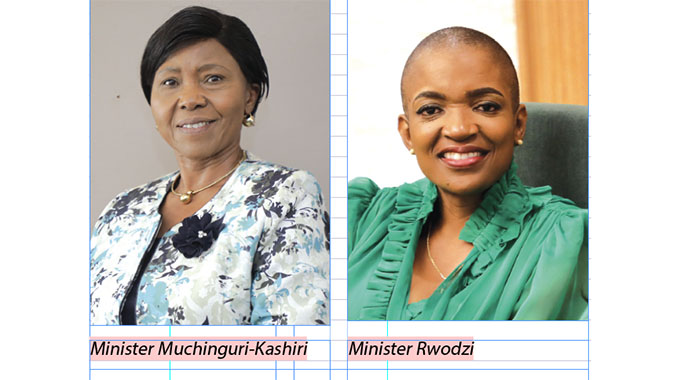
Patience Muzenda and Kundai Kufakwepasi
Correspondents
Zimbabwe has made significant strides in promoting gender equality and has been ranked among the top 10 countries in Africa advocating for equal opportunities.
The nation’s commitment to empowering women and promoting their rights has earned it well-deserved recognition on the continental stage.
This progress is due to a number of factors, including the adoption of progressive laws and policies, the work of women’s organisations and the efforts of individual women who are working to promote the elevation of women.
The latest report by the African Gender Development Index (AGDI) has placed Zimbabwe in the esteemed company of nations that have made significant strides in narrowing the gender gap.
This achievement serves as evidence to the unwavering dedication of Government, civil society organisations and the people themselves in fostering an inclusive society that values and upholds the rights of all its citizens.
Zimbabwe’s progress in gender equality is multifaceted, with notable advancements seen in various domains, particularly in the political arena.
This has seen women being appointed to higher offices; for instance, Defence Minister Oppah Muchinguri-Kashiri, Women Affairs, Community, Small and Medium Enterprise Development Minister Monica Mutsvangwa, Minister of Information Communication Technology and Postal and Courier Services, Tatenda Mavetera, and Minister of Tourism and Hospitality Industry, Barbara Rwodzi among others.
The country has witnessed a substantial increase in women’s participation at all levels of governance even at local councils.
The implementation of gender quotas and affirmative action policies has played a crucial role in ensuring women’s equitable representation in decision-making processes.
Besides creating a conducive environment for women to participate in politics, Zimbabwe has made significant strides in promoting women’s economic empowerment.
The Government has implemented various initiatives to enhance women’s access to financial resources, including microfinance programmes, business development training and support for women entrepreneurs.
These efforts have not only contributed to women’s economic independence but have also fostered the growth of a vibrant and inclusive business sector.
Education is another domain where Zimbabwe has demonstrated its commitment to gender equality.
The Government has been working hard to ensuring equal opportunities for all children to access quality education.
The implementation of policies that address gender-based violence in schools and promote girls’ enrolment and retention has resulted in improved educational outcomes and increased gender parity in the education system.
In addition to these achievements, Zimbabwe has taken substantial steps to address gender-based violence and promote women’s health and well-being.
Government has enacted legislation to protect women from all forms of violence and has established support services and shelters for survivors.
Comprehensive healthcare services, including reproductive health programmes and access to family planning, have been expanded to ensure women’s health needs are met.
Zimbabwe’s recognition as one of the top 10 countries in advancing gender equality within the African context is a testament to the collective efforts being made by Government, non-governmental organisations and the people of Zimbabwe.
This demonstrates that progress is possible when there is a concerted commitment to creating an equal and inclusive society.
While this achievement is undoubtedly commendable, it is crucial to acknowledge that more work lies ahead.
Gender equality is an ongoing journey that requires sustained efforts and vigilance.
Zimbabwe should continue to break down barriers, challenge societal norms, and promote gender equality in all spheres of life.
As Zimbabwe celebrates this significant milestone, it serves as an inspiration to other countries in Africa and beyond.
It is a testament to the transformative power of dedicated leadership, inclusive policies and a society that recognises the value of gender equality.
By building on these achievements, Zimbabwe can continue to pave the way for a future where every person, regardless of gender, enjoys equal rights, opportunities and dignity.
As the nation looks to the future, the challenge remains to consolidate and strengthen the gains made in advancing gender equality.
Zimbabwe’s journey serves as a beacon of hope, reminding us all that progress is possible, and together, we can create a more just and equitable world for all.
Patience Muzenda and Kundai Kufakwepasi are fourth year International Relations students at Africa University.


 Online Reporter