Online Reporter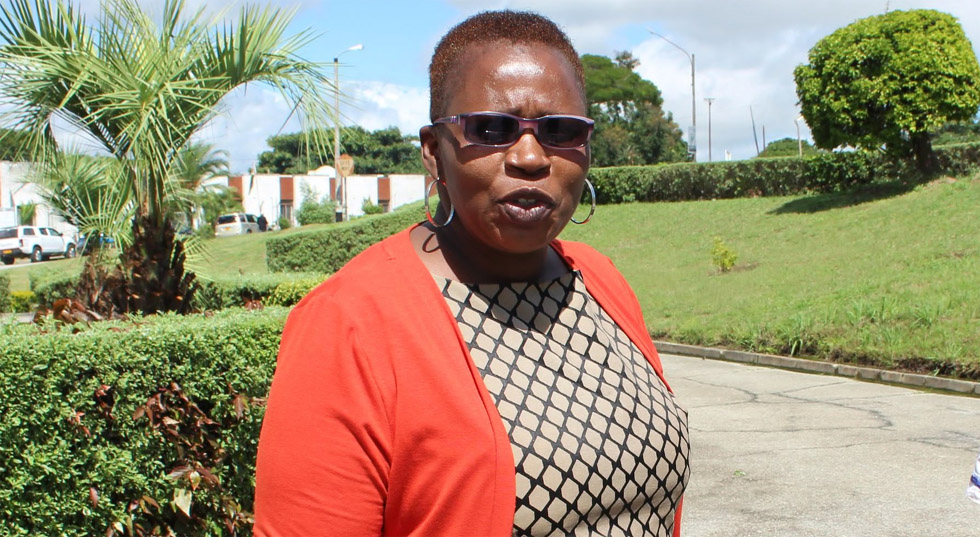
Lovemore Kadzura
Post Reporter
THE Zimbabwe’s Anti-Corruption Commission (ZACC) has made significant strides in executing its constitutional mandate, with external evaluators rating its performance at 61 percent success in corruption investigation and prevention.
This was revealed by ZACC Commissioner, Chido Mwadiwa, during a validation workshop for the impending National Anti-Corruption Strategy 2, which will run from 2026 to 2030.
Commissioner Mwadiwa emphasized the importance of input from concerned stakeholders and citizens, stating that their contributions would be considered in the new strategy.
The workshop was attended by delegates from Government departments, religious organisations, civil society, the private sector and other stakeholders.
The development of the National Anti-Corruption Strategy 2 comes as the country continues to grapple with corruption challenges, with ZACC playing a crucial role in combating graft and promoting transparency and accountability.
“The development of NACS 2 follows the successful implementation of the National Anti-Corruption Strategy (NACS 1) that was launched by President Emmerson Mnangagwa in July 2020. NACS 1, which ran from July 2020 to June 2024, achieved over 61 percent in corruption investigation and prevention metrics, according to independent evaluators.
“The strategy should be in sync with our national priorities as espoused in the recently launched National Development Strategy (NDS2) and fully aligned with regional, continental and international anti-corruption frameworks – that is the SADC Protocol Against Corruption, African union Convention on Prevention and Combating Corruption and the United Nations Convention Against Corruption.
“The strategy should also align with other frameworks that promote regional and international integration, like the SADC Regional Indicative Strategic Development Plan (2020-2030), the African union Agenda 2063 and the United Nations Sustainable Development Goals (2015-2030).
“It is important for all of us to be mindful that the fight against corruption demands a whole-of-government and indeed whole-of-society approach. The diversity of representatives, who have graced this validation workshop reinforces the principle of collective responsibility in the fight against corruption.
“The success of this strategy will not only depend on Chapter 13 institutions, but is heavily dependent on each public and private institution, every leader and every stakeholder across the country. We are in this fight together,” said Commissioner Mwadiwa.
Chairman of the Zimbabwe Indigenous Interdenominational Council of Churches (Manicaland), Mr Cleopas Saunyama welcomed the involvement of different stakeholders, and said broad-based consultations will help the commission to get a wider range of views and ideas on how to combat graft.
“We are happy that the Government is involving all stakeholders in coming up with strategies and tactics to reduce corruption in the country. As the church, we are going to take the anti-corruption message right down to our members in the villages. Corruption is detrimental to the economic, social and spiritual growth of the country. It has to be fought and defeated. The church helps to mold morally upright citizens who respect and obey the laws of the land,” said Mr Saunyama.