Chronicle Editor
Sikhumbuzo Moyo, [email protected]
ZANU-PF has announced that preparations for the 21st National People’s Conference, set to take place at the Zimbabwe International Exhibition Centre (ZIEC) in Bulawayo from October 22 to 27, are progressing smoothly.
The event will be held in Hall 4 and will see over 4 000 delegates, including diplomats, gather under the theme: “Industrialise and Modernise Towards the Attainment of Vision 2030.”
The conference, to be presided over by the ruling party’s First Secretary, President Mnangagwa, comes shortly after Zimbabwe hosted the 44th SADC Summit for Heads of State and Government. At the summit, President Mnangagwa assumed the chairmanship of the regional bloc, marking another significant milestone for the country.
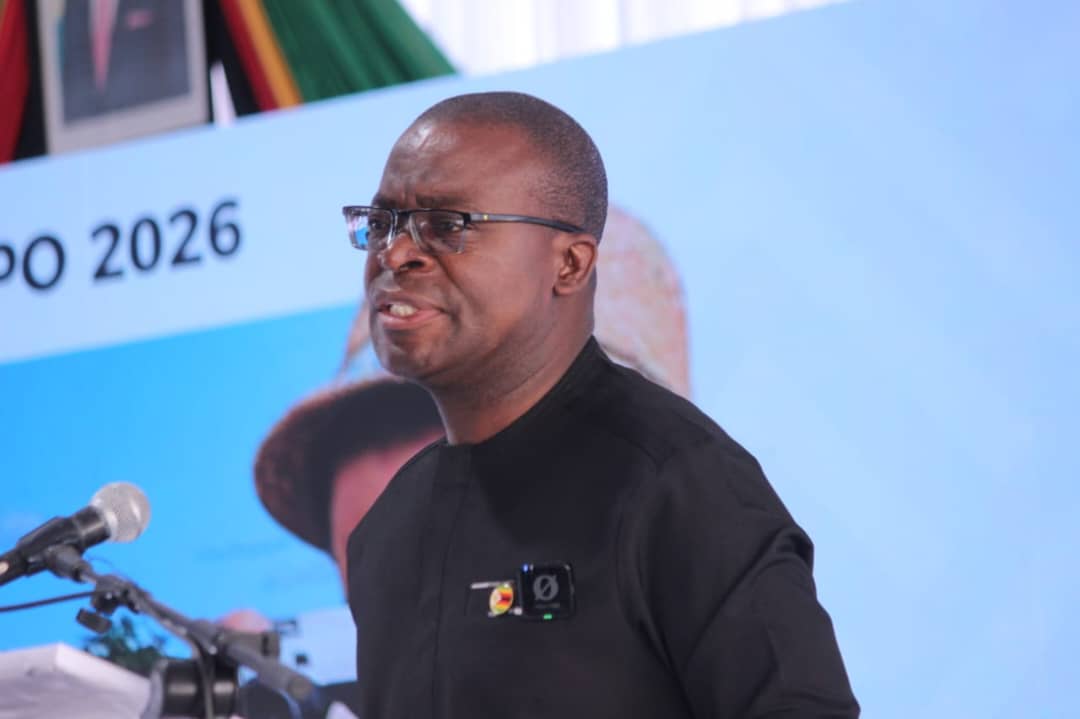
In an interview, Zanu-PF director for information and publicity, Cde Farai Marapira, confirmed that preparations are well on track.
“Preparations are moving well and are ahead of schedule. We had a team in Bulawayo over the weekend checking on progress and meeting with stakeholders. Provinces are mobilising resources, and all are expected to achieve their mobilisation targets ahead of schedule,” said Cde Marapira.
“The agenda has not yet been released but we shall be taking stock of developments of the past year and adjusting where necessary so we fulfil the vision and resolutions of past conferences.”
He said the party will also review ongoing developmental projects and make adjustments where necessary.
The conference comes at a time when Zimbabwe is making significant strides in economic development, with investments like the US$1,5 billion Dinson Iron and Steel Company (Disco) plant in Manhize and promising oil and gas reserves in Muzarabani. Other key infrastructure projects, such as the construction of the Lake Gwayi-Shangani, Chivhu Dam, Muchekeranwa Dam, Kunzvi Dam, and the rehabilitation of major roads, are expected to stimulate industrial growth and contribute to the country’s economic future.
In line with the party’s vision of achieving food security, the Government has also set ambitious targets for the Pfumvudza/Intwasa programme, which aims to reach 3,5 million rural and peri-urban households this year. Government is pushing for mechanised Pfumvudza/Intwasa, which requires less manual labour and is particularly beneficial for elderly farmers.
Since its introduction under the Second Republic, the Pfumvudza/Intwasa programme has been hailed as a game-changer for smallholder farmers, transitioning them from subsistence farming to commercial farming. The programme provides training and support for households in communal, A1, small-scale commercial, and old resettlement areas to cultivate cereals, oilseeds, and legumes.



 Online Reporter