Online Reporter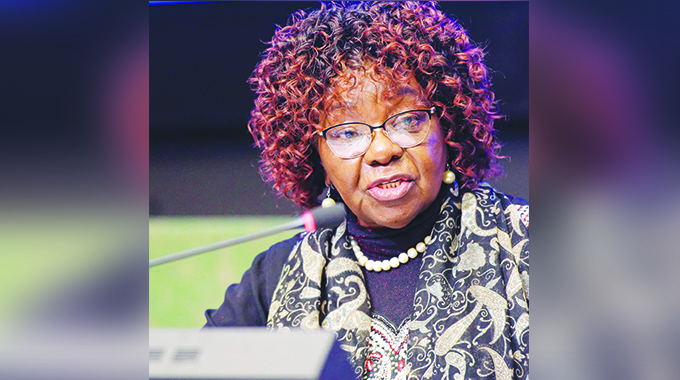
Nqobile Bhebhe, [email protected]
ZIMBABWE is accelerating practical empowerment as the cornerstone for achieving an upper-middle-income society by 2030, a thrust that goes beyond disbursing funds but seeks to transform mindsets and build sustainable enterprises.
This came out yesterday during the Zanu-PF Department of Economic Development and Empowerment’s secretaries capacity building and strategic work-plan development 2026 workshop held in Bulawayo.
The two-day meeting brings together party structures and senior Government officials to align empowerment strategies with national development priorities under the National Development Strategy (NDS2).
Zanu-PF Politburo member and Secretary for Economic Development and Empowerment, Dr Sithembiso Nyoni, said the programme is designed to equip party secretaries with skills and strategic direction necessary to drive inclusive economic participation at grassroots level.
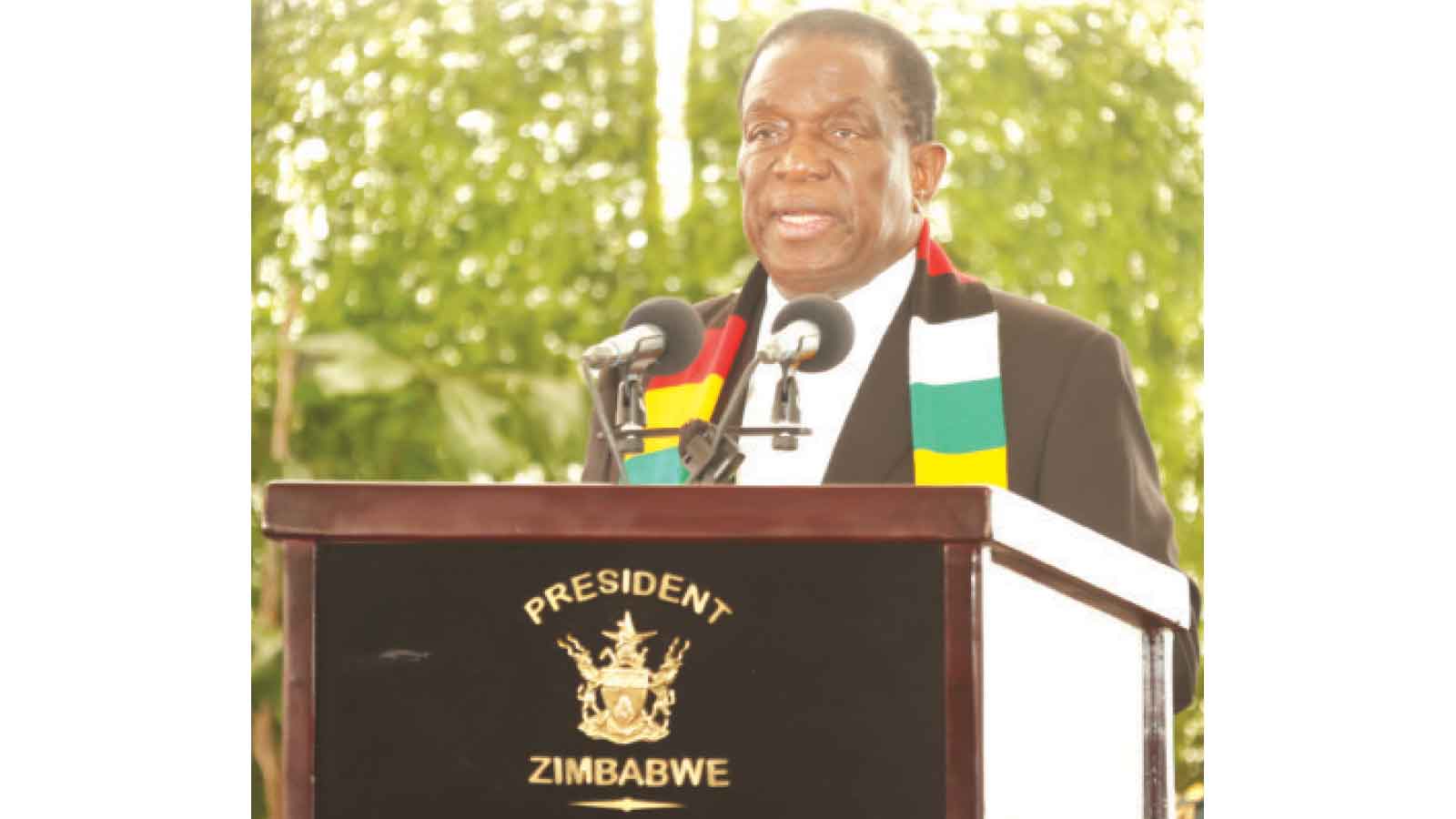
“His Excellency is launching empowerment for our party and for our communities. I think it is very important that as a department that needs empowerment we prepare our people for that and we have three mandates in our constitution,” she said.
“The first one is to make sure that those who were left out of the economic development, the marginalised are included.
“We are an inclusive department, a department that is a forum to make sure that those people that were left out of the economic development are now brought on board,” said Dr Nyoni.
She said the department was working on policy frameworks to support inclusion and is strengthening collaboration with Government ministries to ensure communities understand that public institutions exist to serve and empower them.
“We also need to make a policy to do that, which we have started. We need to liaise with Government. This is why Government ministries are here so that people know the Government belongs to them, that Government is there for them,” said Dr Nyoni.
“We are saying Government is there to empower you. We also have got to look at decent work space, I am talking about the mandate that we have constitutionally, a decent work space for our people. When you are doing business you must do it in a conducive environment, conducive activities.”
Dr Nyoni emphasised that empowerment goes beyond disbursing funds, but seeks to transform mindsets and build sustainable enterprises.
“But the key really is that we want a different mindset into funds that are coming from the party, they are not coming there to create dependency or to give you crutches, they are coming there to make sure that you are grounded, you have confidence to start your business you are empowered mentally, intellectually with skills and also practically so that you put money in your pocket and you become part of the middle income society by 2030,” she explained.
“Without us doing that, 2030 would be a talk show and as a department we want our people to be empowered to be middle-income, to be part of middle income society by 2030.”
Dr Nyoni underscored the importance of financial inclusion, noting that the Ministry of Finance plays a critical role in ensuring marginalised communities access funding and economic opportunities.
She stressed the need for stronger linkages between small enterprises and established industries to avoid the creation of parallel economies.
“You know that we want linkages because if you don’t have the poorest of the poor linking into the mainstream, you are creating two economies, the dual economy is not a practical economy,” said Dr Nyoni.
“So the Ministry of Industry is here to create jobs, but also to create opportunities from big industries to look down and say who has a scheme, which SME can we contract backwards and forward,” she said.
Dr Nyoni challenged local authorities to also deliberately plan for those at the base of the economic pyramid to ensure empowerment programmes translate into tangible economic participation.
“This is why all these ministries are here and the Minister of Women Affairs and SMEs is also here, so that we feed into them,” she said.
“We are the forerunners as a Department of Empowerment so that after people are empowered, they must know where to go depending on the sector in which they are,” said Dr Nyoni.
The workshop is expected to produce a strategic work plan for 2026 that aligns party empowerment programmes with national economic transformation goals, with a strong focus on inclusion, decent workspaces, SME integration and financial access as key pillars towards Vision 2030.