admin
admin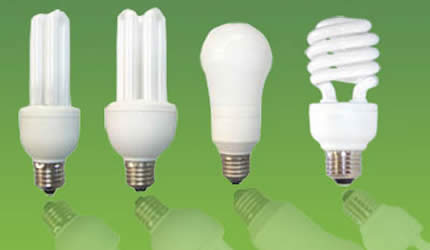
director Engineer Julian Chinembiri yesterday confirmed the delivery saying the bulbs were part of the 5,5 million Zimbabwe was expected to get.
“The bulbs are now in the country and were delivered in two batches this week from the South African company we contracted. We signed a contract with Kgabo Engineers after several companies failed to meet the requirements. We are expecting other consignments to follow as we continue to mobilise the resources,” said Eng Chinembiri.
When the 5,5 million energy-saver bulbs are installed, up to 200 megawatts would be saved daily.
The bulbs, commonly referred to as compact fluorescent lamps, last longer at least 8 000 hours, while an incandescent light bulb lasts for 1 000 hours.
Eng Chinembiri said the bulbs would be installed beginning next week, starting with Chitungwiza, northern, western and eastern parts of Harare and these would be distributed free of charge.
“We are also planning an official launch the way we did on prepaid meters but we will start dispatching them next week through our offices,” he said.
“For the meantime, we are working on the logistics of distributing them as they will be free of charge. We are also working on bringing more bulbs for our consumers.”
He said when fully operational, electricity saved would be enough to cater for half of Harare or the whole of Bulawayo or at least four small towns such as Gweru, Kwekwe, Masvingo and Mutare.
“That is somehow also going to reduce loadshedding and we expect the bulbs to bring a major difference in energy saving,” he said.
He said the CFLs were going to be swapped with incandescent light bulbs that consume more electricity.
Power utilities in the region are pushing for the ban of incandescent bulbs.
The Southern Africa Power Pool has recommended to the Sadc energy ministers to put legislation that bans incandescent bulbs.
Meanwhile, Eng Chinembiri said local suppliers Solahart and Finmark would deliver 40 000 prepaid meters soon while Nyamazela of South Africa had promised to deliver its expected consignment at the end of this month.
Nyamazela and ZTE Corporation, a Chinese Company, were this month given a 14-day ultimatum to supply the prepaid meters or lose the deal.
ZTE managed to deliver about 2 000 meters after the ultimatum.
“ZTE is installing its meters in Bulawayo and we are waiting for Nyamazela up to the end of this month. The other two companies are bringing in 20 000 meters each and we hope to meet our target in the next ten months.”
ZTE Corporation and Nyamazela were expected to deliver a combined 12 000 pre-paid
metres early this year.
The prepaid meter system is expected to improve efficiency in electricity use and Zesa’s revenue flows.
The smart meters replace the conventional billing system that posed challenges to the power utility and the consumers.



 Online Reporter