admin
admin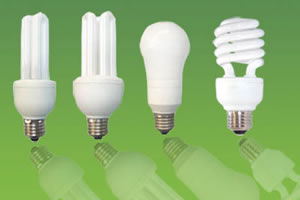
managing director Mr Julian Chinembiri yesterday said there was nothing wrong with giving a subsidiary of the power utility the right to supply bulbs without going to tender.
“Zesa Enterprises is part of us and we have something called service level agreement where we have to give preference to our companies, and if Zent had the capacity to supply all the bulbs, then we would have given them the right to supply them,” Mr Chinembiri said.
On allegations of corruption levelled against the engineers, Mr Chinembiri said: “It’s not true because when they went to Egypt, they went there on a different business altogether. They had not gone there for CFLs (compact fluorescent lamps.)
“Besides, those people are from transmission and they have no influence in the process.”
ALSO SEE
However, sources said since Zent was part of the power utility, all jobs which required external suppliers were supposed to be open to tender.
State Procurement Board chairperson Mr Charles Kuwaza yesterday professed ignorance over the decision by Zesa to allow Zent to supply the bulbs.
“I have no idea that they did that. Let me establish the facts first because I cannot comment on theory,” Mr Kuwaza said.
Sources, however, say the two engineers influenced the cancellation of the first tender.
“These engineers told Elsewedy representatives of the CFLs tender and obviously they expressed interest in the process despite the fact that the process had already opened.
“From what we gather, this Egyptian company said they would want to supply the bulbs through their agent Pop Technologies based here.
“When bidders were called for the formal tender, this Pop Technologies indicated that they would supply the bulbs in three days indicating that they already had been consulted of the tender,” said a source.
Another one added: “The bulb specifications they (Zesa Holdings) gave bidders for the formal tender were copied and pasted from the Pop Technologies specifications and it is clear they want this company to supply these bulbs.
“For the informal tender, we had been told to supply the 20 watts bulbs, but they are now saying they want 22 watts lamps which are not readily available on the market but surprisingly Pop Technologies said they would supply these bulbs in three days. This shows that they had already been consulted on this.”
It is also understood that the 22 watts bulbs by companies such as Phillips and Osram would cost an average of US$6 per lamp compared to the 20 watts that other companies had charged about US$2.
The 22 watts bulbs have a lifespan of about 15 000 hours compared to 20 watts with a lifespan of about 10 000 hours.
From the adjudication report of the first tender, which The Herald has seen, some companies had quoted between US$8m and US$14m for the job.
Most of the firms’ bulbs met such conditions as rated power of lamps, operating voltage and tolerance as well as rated supply frequency.
Other conditions met include conformance to electromagnetic and radio interference, conformance to standards on harmonics, conformance to limitation of voltage changes and compliance with restriction on hazardous substances such mercury.
However, all the companies were rejected on adherence of samples to ZETDC specifications despite some of them meeting all the specifications.
Some of the reason for the rejection of bids include failure to state lamp colour, power factor and failure to state bid validity.
Failure to provide proof of interchangeability of lamps, failure to enclose letter of authorisation from the manufacturer and failure to state payment terms were some of the reasons why the bidders failed.
The power utility decided to distribute 5,5 million bulbs for free as an energy-saving strategy.
If the project succeeds, this will save about 200 megawatts, power enough to cater for half of Harare or the whole of Bulawayo or at least four small towns like Gweru, Kwekwe, Mutare and Masvingo.
Zesa is generating about 1 300 megawatts against a national peak demand of 2 200 megawatts.



 Online Reporter