admin
admin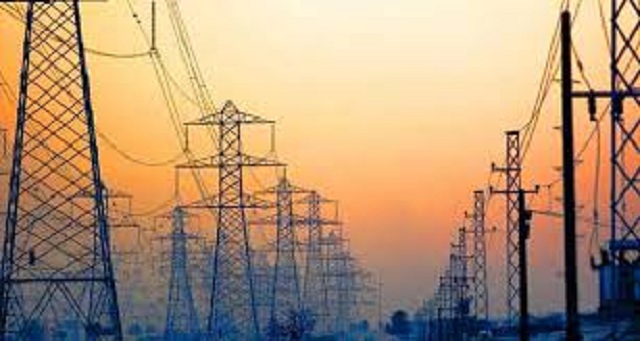
Business Reporter
ZESA is spending about $6.5 million per month to import 300MW of electricity from South Africa to mitigate power shortages owing to low domestic generation.
The Zimbabwe Power Company indicated on its daily update yesterday that combined local generation from all the five power stations stood at 824MW.
The situation has been worsened by low water levels at Kariba Dam, which have seen Kariba Hydro Power Station producing less than 400MW against an installed capacity of 750MW.
In light of the power crisis in the country, Zesa is importing electricity to ensure constant supply to commercial and domestic consumers.
Zesa spokesperson Fullard Gwasira told ZBCtv that the power utility was presently importing power at a cost of 14 cents per kilowatt hour.
“We’re each month buying 300MW from Eskom of South Africa at a cost of 14 cents per KW/h. This translates to about $6.5 million monthly to import power from Eskom,” he said.
While Zesa imports energy from Eskom at 14 cents per KW/h, local consumers pay 9.86 cents per KW/h, a move that has seen the power utility pushing for an increase in electricity tariffs.
The power utility has proposed to increased electricity tariffs by 49 percent to 14,69 cents per KW/h.
Individual and industrial consumers have rejected the move saying this would increase the burden on them.
Zesa argues that due to the local electricity charges, it was not able to break even.
The power utility is owed up to $1 billion, with government departments accounting for the majority of the debt.
If the Zimbabwe Energy Regulatory Authority approves the proposed increase, the country’s electricity tariffs will be at par with regional countries such as Namibia which charges 14,21 cents per kilowatt hour and South Africa at 13,45 cents.
Zambia charges power at 10,35 cents per KW/h and Botswana 9,74 cents.


 Online Reporter