

 Online Reporter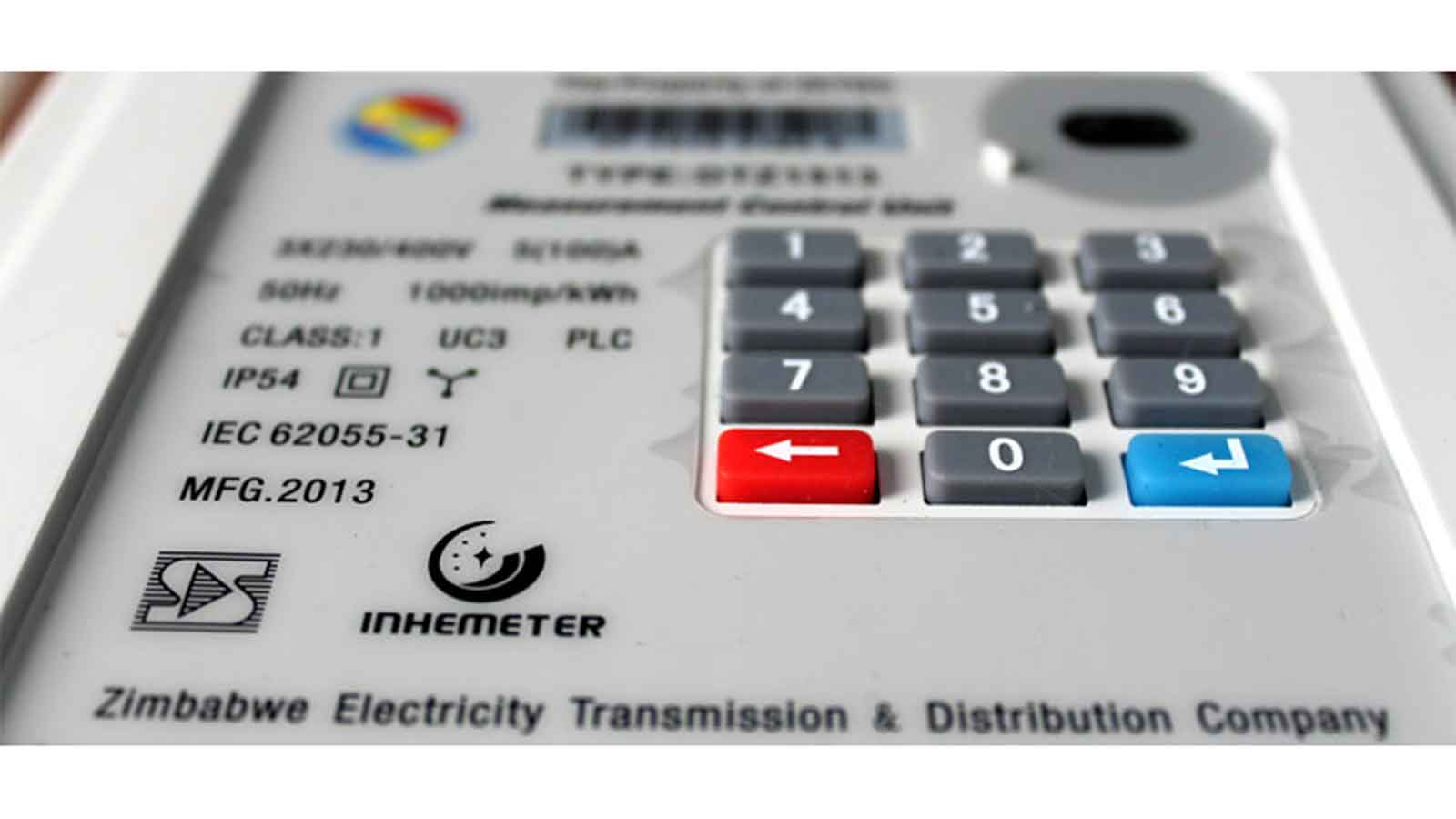
Rutendo Nyeve recently in HWANGE
WITH 99 percent of customers now on prepaid meters and 65 percent upgraded to smart metering systems, Zesa Holdings has achieved a milestone development that enhances debt recovery and paves the way for implementation of a cost-reflective tariff for the sector.
According to Zesa Holdings acting chief executive, Engineer Cletus Nyachowe, the migration from post-paid to pre-paid and smart metering has started to resolve the crippling debt that once threatened the power utility’s operational stability.
For years, it struggled with mounting debt, largely driven by non-payment from large post-paid customers.
Eng Nyachowe described the situation as the “elephant in the room” prior to December 2023, but now the future looks brighter.
“At times, you would actually have our tariff coming down to as low as 2 to 3 US cents per kilowatt hour when you are buying at 9 cents and above. That built a heap of debt,” he said.
This huge mismatch between the cost of procuring electricity and the revenue collected from consumers severely hampered ZESA’s ability to maintain infrastructure, invest in new capacity, and settle obligations to regional power suppliers, said Eng Nyachowe.
Prepaid meters allow customers to pay for electricity before use, eliminating the risk of non-payment.
Smart meters take this a step further, offering real-time monitoring, remote disconnection, and tamper-detection features.
Eng Nyachowe, said the accelerated rollout of these technologies has been pivotal.
“Before December 2023, most large customers were post-paid, which meant they would consume, and then you would have to literally beg them to pay,” he said.
“Today, 99 percent of Zesa’s customers use prepaid meters, and 65 percent are on smart meters. This has allowed the utility to enforce a post-reflective tariff meaning customers pay the true cost of the electricity they consume.”
While the new meters have drastically improved revenue collection, Eng Nyachowe called for stronger enforcement to combat meter tampering.
The power utility management recently engaged with Parliamentarians who conducted a tour of the Hwange Thermal Power Station and were apprised of the developments in the energy sector including milestones and initiatives to consolidate gains achieved so far.
“Where we want support from Parliamentarians, we know that you have already enabled the enactment of increasing the sentences of those that tamper with infrastructure,” said Eng Nyachowe.
He emphasized that smart metres provide instant alerts when tampering occurs, and he urged lawmakers to ensure that offenders face the full force of the law including increasing the existing 10-year jail term.
ZESA aims to have all customers on prepaid or smart meters and the transition has not only improved cash flow but also empowered consumers to manage their electricity usage more efficiently.
“What we are now working on is collection. This will enable us to collect everything that we are owed,” he said.
The move represents a critical step toward a sustainable and financially viable power sector in Zimbabwe, one where transparency, accountability, and reliability define the relationship between Zesa and its customers.



