admin
admin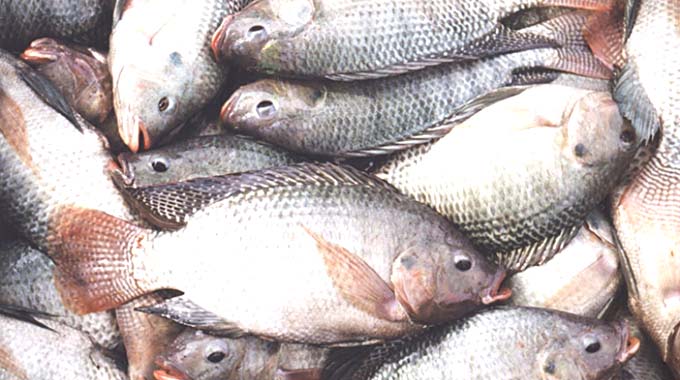
Thupeyo Muleya Beitbridge Bureau
The Government has started implementing a massive fisheries project at Zhovhe Dam some 70km west of Beitbridge town which will produce start-up fingerlings for 16 000 people across four provinces.
Running under the National Development Strategy 1 (NDS1), the project will run for an initial five years and will be subject to review.
Training and distribution of the breeding stock started last week.
The Director for Fisheries and Aquaculture Resources Production, Mr Milton Tinashe Makumbe said they had partnered with Toppick Investment, the proprietors of Zhovhe Farm to run the project in Matabeleland South.
He said they wanted to improve the cold chain facility in the fishing industry and boost the capacity of communities especially those engaged in horticulture projects to produce more.
“We have a team on the ground at Zhovhe which is already carrying out initial training and setting up at the farm,” said Mr Makumbe.
“This is a project we are rolling out countrywide and for the Zhovhe project, you will note that Toppick had the facilities but they needed help on the actual knowledge on fish farming and aquaculture.
“This project will then produce fingerlings for communities in Bulawayo, Masvingo, Matabeleland South and Midlands provinces.”
He said selected horticulture and irrigation related projects in the selected four provinces would benefit from the food value chain that came with fish farming.
Mr Makumbe said the creation of more cold chain facilities would ensure that the country had enough fish stocks throughout the year even in winter when fish production is relatively low.
He said enough resources had been mobilised to ensure that the breeding stock and feed was readily available.
“We are making effective use of water bodies across the country and the thrust is to have the fish projects running concurrently with irrigation development and horticulture,” said Mr Makumbe.
“In addition, we are looking at building the capacity of both individuals and cooperatives to increase production in their respective areas. We have had a positive start and we hope to continue on that path.”
He said the creation of more registered quality fingerlings across the country could increase production in the fisheries and aquaculture sector.
Beitbridge project team leader, Mrs Amini Madzivanyika said they had already put 300 breeding fish into the hatchery and that they were expecting more fingerlings in the next 14 days.
She said they had done the necessary pre-commencement work at the farm.
“We have since put 100 male and 300 female breeders in the hatchery and we expect to have more breeding stock in less than two weeks,” said Mrs Madzivanyika.
“Trainings for the project implementers is ongoing so that everything is done according to the book to maximise production”.
She said the Zhovhe project will produce mainly the green head breams and Nile Tilapia breams which are common in the area.
These she said were of high quality and they expect them to have matured for the market within eight months.
Mr Madzivanyika said they had targeted the Zhovhe Farm for the project because it had the necessary capacity including, breeding ponds, hatchery, cold chains and 24 big floating ponds in the Dam.
Each of the 24 floating cages-each has a carrying capacity of 100 000 fish.
At the moment three of the cages are stocked with at least 300 000 fish.
A fisheries expert, Miss Lorraine Salimu said they had completed constructing a demo pond at the farm and completed carrying out the necessary assessments.
Zhovhe Farm fish project coordinator, Mr Amos “Vulture” Sebata said they are looking at increasing their staff at the hatchery from seven to over 30 people.
“We commend the government project which will not only increase production of fish in the region, but will also create more jobs in the selected communities,” said Mr Sebata.
“For instance, we are looking at hiring 30 more people so that we can effectively run this fisheries project. Besides employment creation, the project comes in with a skills transfer component which we are getting from Government experts”.
He said they are also looking at increasing their fish put from the current 17 tonnes monthly.
Mr Sebata said the project would also ensure that they produce more fish food for themselves and other players in the region from their processing plant.
It is understood that mature female Tilapia fish can lay eggs every three to four months (from the 12th week in the case of the Nile tilapia).
They lay their eggs in nests made by the males, then carry the fertilised eggs in their mouths until they hatch.
They then keep the fingerlings close by until they are big and strong enough (10 millimetres).
In addition, the Tilapia breed is a fast growing fish, and it can live up to ten years and reach ten pounds in weight.



 Online Reporter