Vusumuzi Dube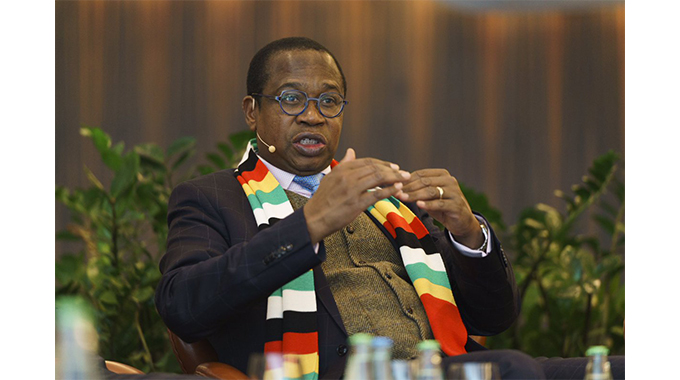
Robin Muchetu, Senior Reporter
The Government of Zimbabwe has made a commitment to the Arrears Clearance and Debt Resolution process and is on course to implement various reforms that will remove the country out of the red.
The Government of Zimbabwe, in December 2022, established a Structured Dialogue Platform (SDP) with all creditors and Development Partners, in order to institutionalise structured dialogue on economic and governance reforms to underpin the Arrears Clearance and Debt Resolution process.
Since the establishment of the SDP in December 2022, there has been commendable progress, with growing consensus and confidence in the process, promoted by a transparent and inclusive consultative process. Since December 2022, five SDP meetings were held in Harare, including a High-Level Debt Resolution Forum.
“Government takes full ownership and is committed to the Arrears Clearance and Debt Resolution process, through the implementation of reforms outlined in these three Matrices. These meetings have been focusing on the following agreed three pillars: economic reforms; governance reforms; and land Tenure Reforms, Compensation of Former Farm Owners and the Resolution of Bilateral Investment Protection and Promotion Agreements (BIPPAs),” said Finance and Economic Development Minister Professor Mthuli Ncube in an update on the debt clearance process.
Following the above, a Roadmap has been developed which clearly outlines the next course of action going forward and the following are some of the identified low-hanging fruits in terms of concrete policy actions by the Government, and which is part of the Arrears Clearance and Debt Resolution Roadmap.
“The conduct of free, fair and peaceful elections in August 2023; Signing off an IMF Staff Monitored Program (SMP); Combating corruption; Draft legislation to provide for transferable and bankable 99-year leases; Payment of compensation of Former Farm Owners based on the Global Compensation Deed; and Targeted resolution of BIPPAs,” said Prof Ncube.
In line with the roadmap, in June 2023, upon the Government of Zimbabwe’s request, the International Monetary Fund (IMF) agreed to start the process of engagement on a Staff Monitored Programme, which is expected to commence during the fourth quarter of 2023 or first quarter of 2024. To cushion the vulnerable during the SMP implementation period, Government is seeking for a ‘wet’ SMP, for which funding is required for social protection, education, health, agriculture/food security and climate change.
“Reflecting Government’s commitment to reform, Government has started implementing the reforms contained in the three Policy Reforms Matrices, specifically those in the Economic Reforms Matrix, through policy measures for macroeconomic stabilisation to instill confidence, strengthen demand for the local currency, and foster market discipline as follows: Increasing the retention of domestic foreign currency sales to 100 percent – this has resulted in domestic businesses accessing more foreign currency from the market and this will translate into additional US dollar deposits in the banking system. Further enhancement of Foreign Exchange Auction System to a pure Dutch wholesale auction system,” he added.
Government through the Reserve Bank introduced Gold-Backed Digital Tokens to complement physical gold coins, as part of widening saving instruments to reduce demand for the US$.
Assumption of all RBZ external loans by Treasury is ongoing, this process is well underway and will result in all external liabilities being funded transparently through the National Budget.
Prof Ncube said to generate additional revenues, the Government Introduced a 1 percent tax on all foreign payments; Maintained the USD cash withdrawal tax at 2 percent; and all excise duty on fuel is now being paid for in foreign currency.
All manufacturers selling general goods, such as cement, milk, soft drinks, etc for the external market are now required to charge VAT, which is refundable by ZIMRA after exporting.
@NyembeziMu


 Online Reporter