Online Reporter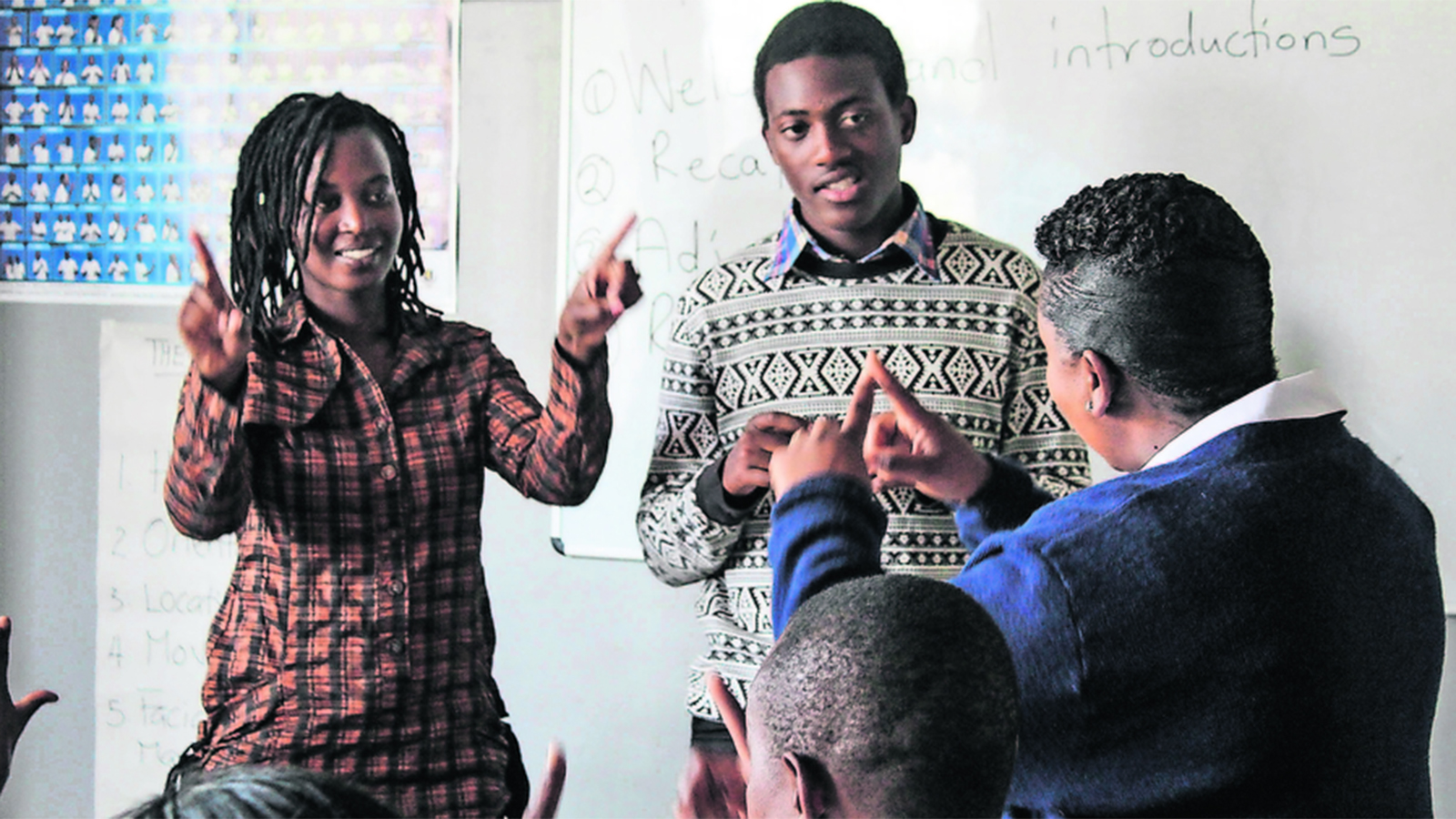
Disability Issues-Dr Christine Peta
ON September 23, Zimbabwe, just like the rest of the world, will commemorate the International Day of Sign Languages.
This is not just a date on the calendar; it is a powerful reminder of the importance of linguistic inclusion and human rights for the Deaf community.
It is a day to recognise that communication is a fundamental human right and everyone deserves to be heard, whether through voice, signs or gestures.
Why September 23?
This date marks the founding of the World Federation of the Deaf in 1951.
The United Nations (UN) officially proclaimed the day in 2017 and it was first celebrated the following year. It is a unique opportunity to support and protect the linguistic identity and cultural diversity of all Deaf people and other sign language users.
What are sign languages?
According to the UN, sign languages are fully developed natural languages with their own grammar and vocabulary.
They are structurally distinct from spoken languages and use hand shapes, movements, facial expressions and gestures to convey meaning.
The World Federation of the Deaf estimates that there are over 70 million Deaf people worldwide, with more than 80 percent living in developing countries.
Collectively, they use over 300 different sign languages.
The lack of standardisation makes it difficult to develop universal tools or policies that work across all regions.
While there is an international sign language used at global events and meetings, it is a simplified, artificial form with a limited lexicon and is not as complex as natural sign languages.
How to participate
The International Day of Sign Languages is a call to action. Here is what you can do:
Raise awareness: Share information about the linguistic and cultural richness of sign languages.
Learn a few signs: Try to learn some basic signs in your local sign language.
Attend events: Host or attend workshops, awareness events or inclusive performances.
Share content: Use social media to share educational content and increase visibility.
Support organisations: Advocate Deaf rights and accessibility by supporting organisations like the Zimbabwe National Association of the Deaf, Deaf Women Included, and Deaf Zimbabwe Trust.
We should not forget sign language interpreters, who are essential bridges between the Deaf and hearing communities.
Their work comes with a unique set of challenges that often go unseen. They have to navigate dialects, slang and cultural nuances in diverse communities.
Accurately translating non-manual signals, like facial expressions and body posture, is crucial for conveying meaning but can be difficult.
Interpreters often work in high-stress environments, like hospitals or courts, which can lead to burnout and emotional fatigue.
They must absorb the emotional weight of sensitive conversations while maintaining neutrality.
Greater awareness, investment and support are needed to ensure they can thrive and that Deaf people receive the communication access they deserve.
The Constitution of Zimbabwe acknowledges sign language as one of the country’s 16 official languages. The National Disability Policy is dedicated to the Zimbabwean sign language.
This reinforces the equal status of sign languages alongside spoken languages.
The United Nations Convention on the Rights of Persons with Disabilities also directs states to facilitate sign language learning and promote the linguistic identity of the Deaf community.
Providing Deaf children with early access to sign languages and quality education is essential for their growth and development.
Ultimately, sign languages are key to the full enjoyment of human rights by Deaf people.
We cannot discuss human rights without looking at sign language rights.
It is our responsibility to preserve sign languages as part of our linguistic and cultural diversity and as a fundamental human right.
Dr Christine Peta is a disability, public health, policy, international development and research expert. She can be contacted on developafrica2020 @gmail.com