malvernmugadzikwa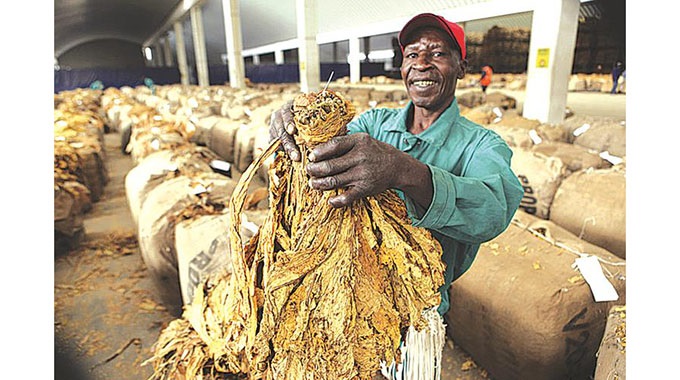
TRADE plays a pivotal role in economic development.
Trade Focus
Allan Majuru
Therefore, export growth reflects improved productivity and employment in industry.
This explains the keen interest by President Mnangagwa’s administration to bolster Zimbabwe’s position in global supply corridors.
The Second Republic’s economic diplomacy, coupled with improved business facilitation activities by ZimTrade — the country’s trade development and promotion organisation — have yielded positive results over the past five years.
From 2018 to date, local products have been finding new markets across the world, while increased industrialisation has seen the diversification of export products.
Despite disruptions from Covid-19 and geopolitical tensions, total exports breached the US$7 billion mark in 2022.
The National Export Strategy and National Trade Policy target to grow exports to US$7,2 billion by the end of 2023.
There are indications the country will meet the target if the current growth momentum is sustained.
New markets
Zimbabwean produce has been doing well in non-traditional markets such as the United Arab Emirates (UAE), China and Italy. In particular, trade with the UAE has increased almost tenfold.
Figures from Trade Map and the Zimbabwe National Statistics Agency (ZimStat) show that exports to the UAE rose to US$2,1 billion in 2022, up from US$223 million in 2017. Participation in several trade exhibitions that took place in Dubai over the past few years contributed significantly to the strengthening bilateral trade between Zimbabwe and the UAE.
There are also efforts to unlock opportunities for horticultural produce, value-added products such as cigars and leather products, as well as arts and crafts in the UAE, which will contribute to further growth of Zimbabwean exports into the market.
Exports to China, Belgium, Zambia, Italy and Netherlands have also grown tremendously over the past years.
Zimbabwe and China relations have also evolved. There are now concerted efforts to grow the presence of local products in China. Since 2017, exports to China have grown from US$960 000 to US$585 million in 2022.
Trade relations between Harare and Beijing are expected to further deepen, especially after the Zimbabwe-China Business Forum organised by ZimTrade recently. The forum also benefited local companies through knowledge and technology transfer, which will go a long way in developing competitive Zimbabwean products.
Further, the Eastern and Southern Africa-European Union Economic Partnership Agreement (ESA-EU EPA) has also helped Zimbabwe rekindle trade relations with Europe. Exports to Belgium, which have grown from around US$52 million in 2017 to US$215 million in 2022, represent a convenient gateway for Zimbabwean produce to the European Union.
Exports to Italy grew from US$2,5 million in 2017 to US$61 million in 2022, a significant growth that will contribute towards meeting national export targets. Exports to Jordan have also recovered after a significant drop in 2016, growing to US$12 million in 2022, up from US$2 million in 2017.
In addition, intra-continental exports constituted 47,7 percent of Zimbabwe’s merchandise exports in 2022, which puts the country in good stead in the wake of the African Continental Free Trade Area.
The average intra-continental trade in Africa is presently below 15 percent.
South Africa, Mozambique, Botswana and Zambia are traditionally Zimbabwe’s largest African trade partners due to existing bilateral and multi-lateral trade relations with these countries.
As members of the Southern African Development Community (SADC) and Common Market for Eastern and Southern Africa (COMESA), these countries are working to reduce barriers to trade.
Overall, Zimbabwean exports to the region increased from US$2,6 billion recorded in 2017 to US$3,1 billion in 2022.
Zambia is emerging as one of the leading destinations for Zimbabwean products in the region, with exports to the market growing from US$58 million to US$90 million in the same period, representing a 54 percent growth, according to ZimStat.
Major exports to the market include electrical machinery and equipment, processed foods, paper and paperboards, wood and timber, and furniture.
Following several export promotion programmes conducted by ZimTrade in Lubumbashi and Kinshasa, there has been significant export growth to the Democratic Republic of Congo (DRC).
Efforts are also underway to unlock access to non-traditional markets on the continent, especially in East and West Africa.
ZimTrade has already conducted market research and activities to connect local exporters to leading buyers in markets such as Kenya, Ghana, Equatorial Guinea, Senegal and Nigeria.
More regional trade fairs — such as the Zambia Agricultural and Commercial Show; Maputo International Fair (FACIM); Botswana Global Expo; and the Intra-Africa Trade Fair — are planned later this year to improve the visibility of local products.
Diversified export products
Although primary products such as tobacco and minerals constitute the bulk of export products from Zimbabwe, there have been efforts to diversify the export basket, with a key focus on value-added goods. The growth in agricultural exports has played a crucial role in driving overall export growth. Although the horticulture sub-sector witnessed disruptions following the outbreak of Covid-19, some produce has made huge strides in export growth.
For example, exports of fresh or dried citrus fruits grew from US$6 million in 2017 to US$34,4 million in 2022, according to Trade Map.
The recent protocol signed with China to supply citrus fruits is expected to further boost exports. Exports of berries have also grown from US$370 000 in 2017 to US$19,3 million in 2022, while flower exports grew to US$8,9 million, up from around US$2 million in the same period.
Besides the traditional European markets, Zimbabwean blueberries have made inroads in non-traditional markets, for example, in south-east Asian countries such as Malaysia, Indonesia and Thailand.
The export of avocados has also risen from US$1,7 million to US$14,7 million in the period under review.
Tobacco and cotton are similarly rising. For instance, tobacco exports climbed from US$837,6 million in 2017 to US$996,3 million in 2022, while cotton rose from US$34,3 million to US$41 million in the review period.
Value-addition efforts are increasingly being embraced in the sector, as cigarette exports rose to US$72 million in 2022, up from US$37 million in 2017.
As part of diversification of export products, new products such as unglazed ceramic tiles are growing in popularity in regional markets.
Other sectors previously affected by Covid-19 have also witnessed growth.
For example, processed foods exports increased by 25 percent from US$59 million in 2021 to US$74 million in 2022.
Major contributors were sugar exports, confectionery products, crushed or ground pepper and fruit juices.
Exports of agricultural inputs and implements also increased from US$23 million in 2021 to US$31,2 million in 2022.
Allan Majuru is ZimTrade’s CEO



 Online Reporter