admin
admin

Prosper Ndlovu in Victoria Falls—
ZIMBABWE is losing close to $1 billion annually due to business inefficiencies of various kinds that include poor infrastructure, an official has said. Speaking during the 5th Buy Local Annual Summit that began here yesterday, African Development Bank (AfDB) resident representative, Mateus Magala said the country should promote infrastructure growth as an opportunity for investors.
He said Zimbabwe and Africa at large need to come up with a deliberate innovative and bold approach of developing sound infrastructure that will enhance the competitiveness of domestic industries.
Magala said the country needs about $14 billion for infrastructure development such as roads, power generation, information communication technology and water by 2020.
“Africa is deficient in infrastructure; 67 percent of the continent has no adequate power supply and transport costs increase prices by 75 percent. The infrastructure needs of Africa stand at $93 billion. We can’t continue like this,” he said.
“Zimbabwe ranks 30th out of about 54 countries in Africa in terms of infrastructure. Almost $1 billion is lost due to various inefficiencies that erode progress.”
His sentiments come at a time when there are calls to address the cost of doing business in the country after surveys indicated the country was relatively the most expensive to invest in.
Economists have stressed the need to review tariff regimes, taxes, regulatory costs, labour and transport logistics to enhance industry competiveness in the wake of cheap imports.
Magala said more investors were keen to set up businesses in the country and urged policymakers to promote conducive conditions. He said on average, Zimbabwe should invest about $2 billion on infrastructure such as roads, water and ICTs per year for the next coming 10 years and $1.2 billion particularly on power.
To bridge the gap, Magala said, innovative and bold approaches were required to transform business ethics including reforming parastatals.
While Zimbabwe is going through economic difficulties, Magala said, it was possible to reverse the challenges through collective approaches.
“We can’t do business as usual, we need to create a competitive advantage. We need policy reforms to attract FDI, create efficiency gains and curb procurement corruption, rebranding Zimbabwe, national savings and innovative financing,” he said.
Buy Zimbabwe Company chairperson, Grace Muradzikwa called on locals to collectively embrace local brands to reverse the skyrocketing import bill and steer domestic industrial growth to save jobs.
She also stressed the need for Zimbabwe to develop robust policy support measures to capacitate local firms and enhance competitiveness of locally manufactured goods.
The country battles a ballooning import bill estimated in excess of $4 billion annually, more than the country’s national budget, which economists blame for suffocating the viability of local firms leading to job cuts.
Muradzikwa said the three-day summit was an opportunity for industrialists and policy makers to come up with a formula of leveraging the country’s natural resources towards economic growth.
She challenged Zimbabwean technocrats to utilise their skills in contributing to national development adding that a robust economic transformation would not be achieved without the involvement of all Zimbabweans including those in rural areas.
Muradzikwa said implementation of the government’s economic blueprint Zim-Asset, should be buttressed by vibrant enterprise development and innovative support within the framework of reasonable costs of doing business.
The drive to safeguard and create jobs, she said, should be based on pragmatic measures in support of local firms.
Transformation strategist, Zwelibanzi Ndlovu said there was a need for an overall mindset change from suppliers, producers and end users.
He said the country should transform perception, support the Buy Zimbabwe campaign and reduce the country risk factor.
Participants challenged the government, as the major buyer, to take a deliberate stance especially on procurement issues by buying locally.
Confederation of Zimbabwe Industries (CZI) vice president Sifelani Jabangwe said not everything was negative about Zimbabwe and called for focus on positive achievements as well.
Buy Zimbabwe general manager Munyaradzi Hwengwere said it was worrying that most businesses flood their operations with imports at the expense of local products.
He stressed the need to reduce the information gap within business players as this was critical for progressive and transparent economic growth.
Others suggested prioritisation of quick winning economic projects as opposed to doing everything at the same time.
Vice-President Phelekezela Mphoko and Cabinet Ministers – Patrick Chinamasa (finance) Walter Chidhakwa, (mines), Mike Bimha (industry) and Supa Mandiwanzira (ICTs) are expected to address the summit today.
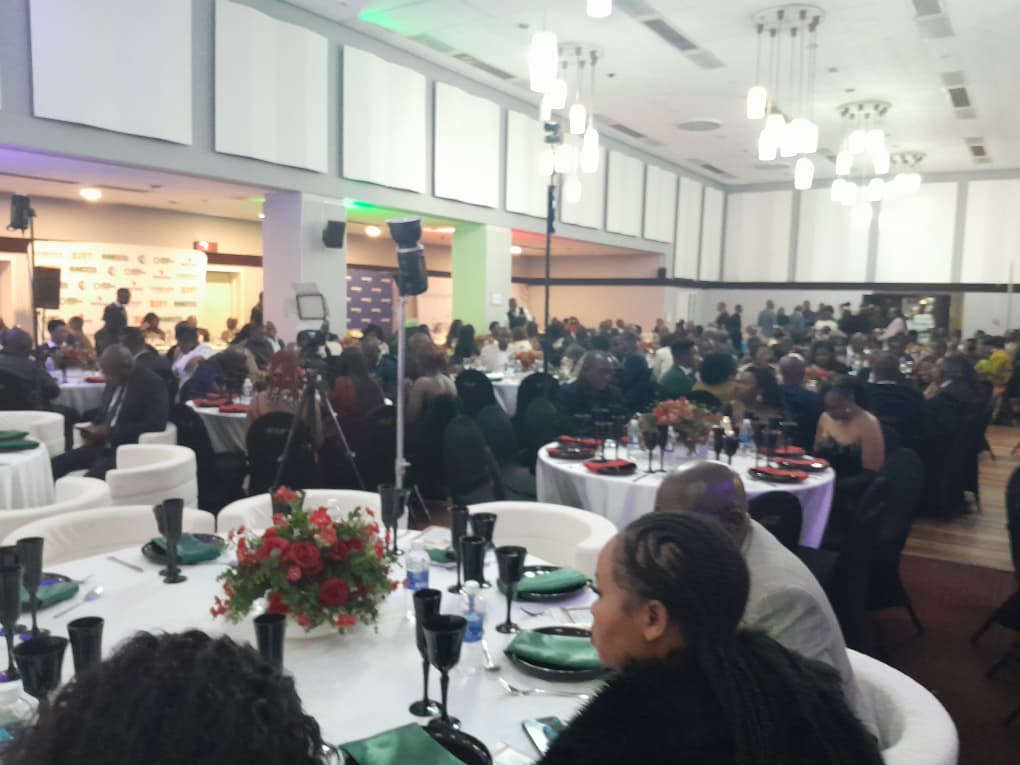
The summit runs under the theme “Enhancing Local Preference for Industrial Revival” and is being attended by captains of industry, industry lobby groups and policy makers.


 Online Reporter