admin
admin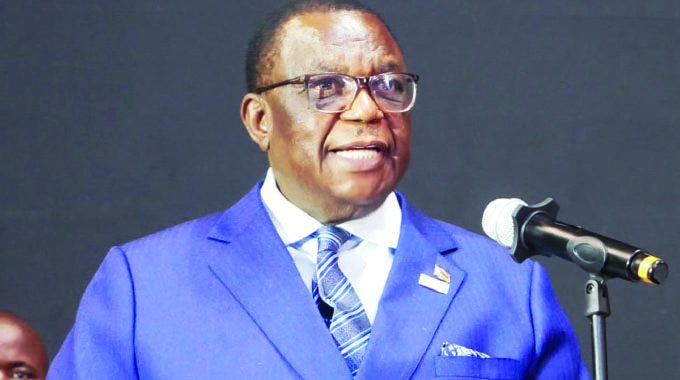
Mukudzei Chingwere
Herald Reporter
Zimbabwe is committed to reducing climate change vulnerability as well as creating an enabling environment for adaptation, Vice President Dr Constantino Chiwenga has said.
He said this in Harare yesterday after officially opening the Second Climate Change and Development Conference where he launched four key sector strategies, guidelines, frameworks and plans that will guide national efforts in combating the effects of climate change.
The conference is expected to highlight their contributions in preparation for the upcoming 29th Conference of Parties (COP 29) to the United Nations Framework Convention on Climate Change to be convened in Baku, Azerbaijan from November 11 to 22.
The conference will run under the theme; “Building Resilience, Securing the Future” which emphasises the need to foster partnerships amongst all stakeholders and creating sustainable development.
The launched documents were the National Climate Change Adaptation Plan; the Long-Term Low Emission Development Strategy and the Nationally Determined Contribution Implementation Plan; the Green Resilient Recovery Strategy and the Long-Term Low Emission Development Strategy and the Nationally Determined Contribution Investment Framework.
VP Chiwenga said the conference, which drew participants from Government, civil society, academia, development partners, private sector and the media signified collective commitment to sustainable development and climate resilience in Zimbabwe.
“Your presence here underscores the importance of collaboration in addressing the pressing challenges posed by climate change,” said VP Chiwenga.
“Zimbabwe is committed to reducing vulnerability and creating an enabling environment for climate change mainstreaming. The importance of Climate Change Adaptation cannot be overstated.
“We rely on experts to help review our national strategies as outlined in the Zimbabwe National Climate Change Adaptation Plan, aiming to enhance community resilience and inclusively address local vulnerabilities.
“Our current National Climate Change Adaptation Plan is a testament to this commitment.
“Adapting to climate change is a priority, especially given the increased occurrence of extreme weather events such as droughts and floods that devastate our vulnerable regions of Manicaland, Masvingo, and Matabeleland,” said VP Chiwenga.
He emphasised that the adverse effects of climate change are already evident in communities with droughts, floods and extreme weather events that continue to undermine livelihoods and well-being.
VP Chiwenga said efforts were being made to address challenges in climate policy and governance, identifying gaps and proposing actionable solutions to strengthen institutional frameworks.
“As we convene, we must acknowledge the severity of the climate crisis we face. Climate change is not merely an environmental challenge, but a multi-faceted crisis that jeopardises our health, economy and the social fabric. It disrupts food systems and threatens water security.
“Furthermore, it exacerbates existing inequalities, particularly for our most vulnerable populations. In response to these challenges, we ought to enhance and accelerate our climate action through strategic planning, focused investment and win-win collaboration.
“I would like to encourage every one of us, through this conference, to actively engage in discussions around strategic investments and innovative solutions that can drive climate resilience in our communities,” said VP Chiwenga.
He said Zimbabwe through the revised Nationally Determined Contribution Policy document had committed to reducing greenhouse gas emissions by 40 percent per capita by 2030.
“I am proud to announce a pivotal moment in our climate journey; the high-level launch of key sector strategies, guidelines, frameworks and plans that will guide our national efforts,” said VP Chiwenga.
“These four key documents are not just sector strategies, guidelines, frameworks and plans, they are our commitments to future generations.
“Let me assure the nation today, that with the launch of these four critical documents, we signal a new chapter in Zimbabwe’s climate journey, marked by ambition, action and collaboration.
“Together, we can build a Zimbabwe that not only survives in the face of climate change, but thrives, securing a sustainable, resilient and prosperous future for generations to come,” said VP Chiwenga.
United Nations Resident and Humanitarian Coordinator in Zimbabwe Ambassador Edward Kallon said the annual Zimbabwe Climate Change and Development Conference marked a pivotal moment in the journey towards COP 29 and beyond.
“It represents our commitment to aligning national efforts with global climate commitments and serves as a catalyst for strategic planning and investment opportunities,” said Ambassador Kallon.
“As the United Nations in Zimbabwe, we welcome today’s discussions on climate change and development, including the announcement of several initiatives which will propel Zimbabwe on its course towards achieving its Vision 2030.
“These initiatives include the Investment Framework for the Long-Term Low Emissions Development Strategy (LT-LEDS) and the Nationally Determined Contributions (NDC).
“Together, let us harness our collective expertise, share our resources, and commit to innovative solutions that build resilience and secure a sustainable future for all Zimbabweans,” said Ambassador Kallon.


 Online Reporter