Mkhululi Ncube and Ryan Sibanda Chronicle Writers
ZIMBABWE is confronting a new and more complex generation of threats to children, prompting the Government and its partners to develop a new five-year action plan to strengthen child protection.
This comes as observers have noted that despite significant progress in child protection, children remain vulnerable to escalating threats such as violence, child marriages, child labour, online abuse, drug and substance abuse, migration and climate-related shocks.
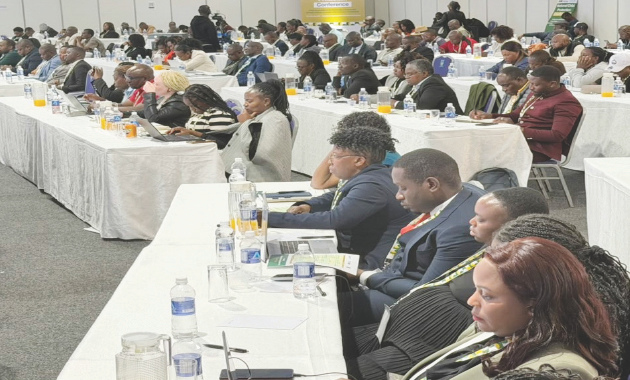
As part of response measures a four day National Child Protection Conference began in Bulawayo yesterday with calls for more effort to address challenges facing children.
Hosted by the Ministry of Public Service, Labour and Social Welfare with support from UNICEF and Sweden Sverige, the conference has drawn stakeholders from various sectors.
It comes at a time when the country is set to launch the National Action Plan for Children IV (2026-2030) led by Vice
President Kembo Mohadi on Friday during the last day of the conference.
This year’s conference is set to address five objectives which are: to review progress and lessons learnt in strengthening child systems and services, analyse emerging child protection risks and their indications for policy and programming, strengthening integrated and multisectorial responses across sectors, mobilise sustainable political commitment and financing for child protection and generating practical recommendations that will guide the implementation of the national action plan for children 2026-2030.
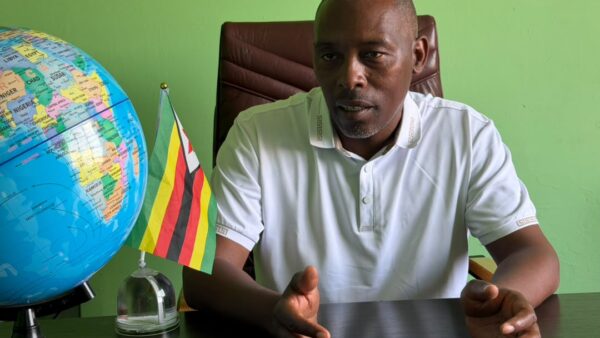
Permanent Secretary for the Ministry of Public Service, Labour and Social Welfare Mr Pfungwa Kunaka who was represented by the Acting Director for Social Development and Disability Affairs Mr Tawanda Zimunga noted gaps that still remain to be addressed despite commendable progress that Zimbabwe is making in child Protection.
Mr Kunaka said a lot has been achieved in child protection system in the country like the launch of the National Case Management System for the welfare and protection of children, strengthening Child protection System through legislative reform and strengthening the victim friendly system among others.
“These efforts have yielded measurable outcomes across priority child protection areas including violence against children, birth registration and legal identity, child labour, children on the move, access to justice and social service workforce strengthening.
“Despite these gains children continue to face complex and evolving risks including persistent violence, child marriages, child labour, technology facilitated abuse, drug and substance abuse, migration related vulnerabilities and the impasse of social economic shocks and climate change,” he said.
Mr Kunaka said financing, workforce capacity and coordination data management system further add on to the challenges.
He said the National Action Plan for the Protection of children 2026-2030 aligns to the NDS2 and will contribute towards the attainment of Vision 2030.
“The plan is supported by a comprehensive result framework that would enable Government and its partners to monitor implementation and measure impact. It is anchored on the five strategic pillars that will guide our collective efforts over the next five years.
“These are as follows. Improved access to inclusive basic social services, ending violence against children, family and community capacity strengthening, elimination of child labour, institutional strengthening and capacity building.
“Together, these pillars provide a comprehensive roadmap for strengthening child well-being and ensuring that every child enjoys protection, care and opportunities development,” he said.
Mr Kunaka called for sustainable financing of child protection issues if they are to be successful and called for various partners to participate as it cannot be left to Government alone.
Speaking at the same occasion, UNICEF deputy representative in Zimbabwe Mr Fiachra Mcasey hailed work that has been done to protect children.
He urged countries to strengthen domestic resource mobilisation, use resources more efficiently, and build resilient systems that can withstand huge shocks.
“Over the years, Zimbabwe has increasingly strengthened its child protection system through key legislative reforms, expansion of case management services, continued enhancement of the victim-friendly system, advances in birth registration and legal identity, increased attention to child labour, and sustained investments in the social services workforce,” he said.
“These achievements demonstrate what is possible if Government, communities, development partners, civil society, and children themselves work together towards a shared vision.”