admin
admin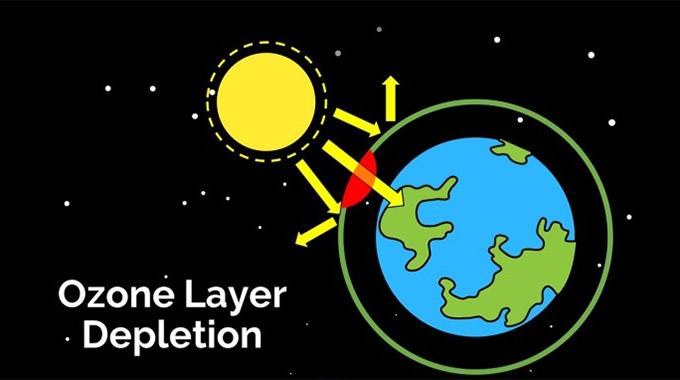
Ivan Zhakata-Correspondent
Zimbabwe is set to phase out chemicals that deplete the ozone layer by 2030 through the Montreal Protocol and it is now at 35 percent of progression.
The country is a signatory to the Montreal Protocol which compels nations to implement strategies that hold use of substances that deplete the ozone layer.
Zimbabwe has since pledged to phase out use of the harmful chemicals completely by 2030 and it is now over 35 percent complete.
The Montreal Protocol on the substances that deplete the ozone layer was adopted by the international community on September 6, 1987 after ozone holes appeared over Antarctica and major remedial action became urgent.
The major contributors to ozone depletion were hydrochlorofluorocarbons used for refrigeration and air conditioning, charging aerosol cans, foam insulation, fire-fighting and agriculture among others.
Addressing journalists at a media workshop in Kadoma, National Ozone Unit manager in the Ministry of Environment, Climate, Tourism and Hospitality Industry, Mr George Chaumba said once the ozone layer was depleted, it allowed excessive ultraviolet radiation to get into the earth’s surface which causes skin cancers, eye cataracts and immune suppression in human beings.
“We are reaching out to communities informing them about the dangers of the ozone layer depletion and what they can also do to protect themselves from excessive ultraviolet radiation,” Mr Chaumba said.
“We are also raising awareness on the use of ozone and climate friendly appliances in homes such as the use of refrigerators, freezers and cold rooms that use ozone friendly and climate friendly products.”
Mr Onest Kwiridzanai from the Ministry of Energy and Power Development said their mandate was to achieve universal access to sustainable and modern energy in Zimbabwe by 2030. He said they also aimed at providing adequate and sustainable energy supply through formulating effective policies and regulatory frameworks.
“As a Ministry we provide technical assistance to improve Zimbabwe’s programming process regarding refrigerators energy efficiency and strengthen climate finance strategies,” Mr Kwiridzanai said.
“We aim to create an enabling policy and regulatory environment for the adoption of energy efficient refrigerators in Zimbabwe through the development of mandatory Minimum Energy Performance Standards (MEPS) and a labelling scheme and develop a national policy roadmap for the implementation of standards and labels.”



 Online Reporter