Online Reporter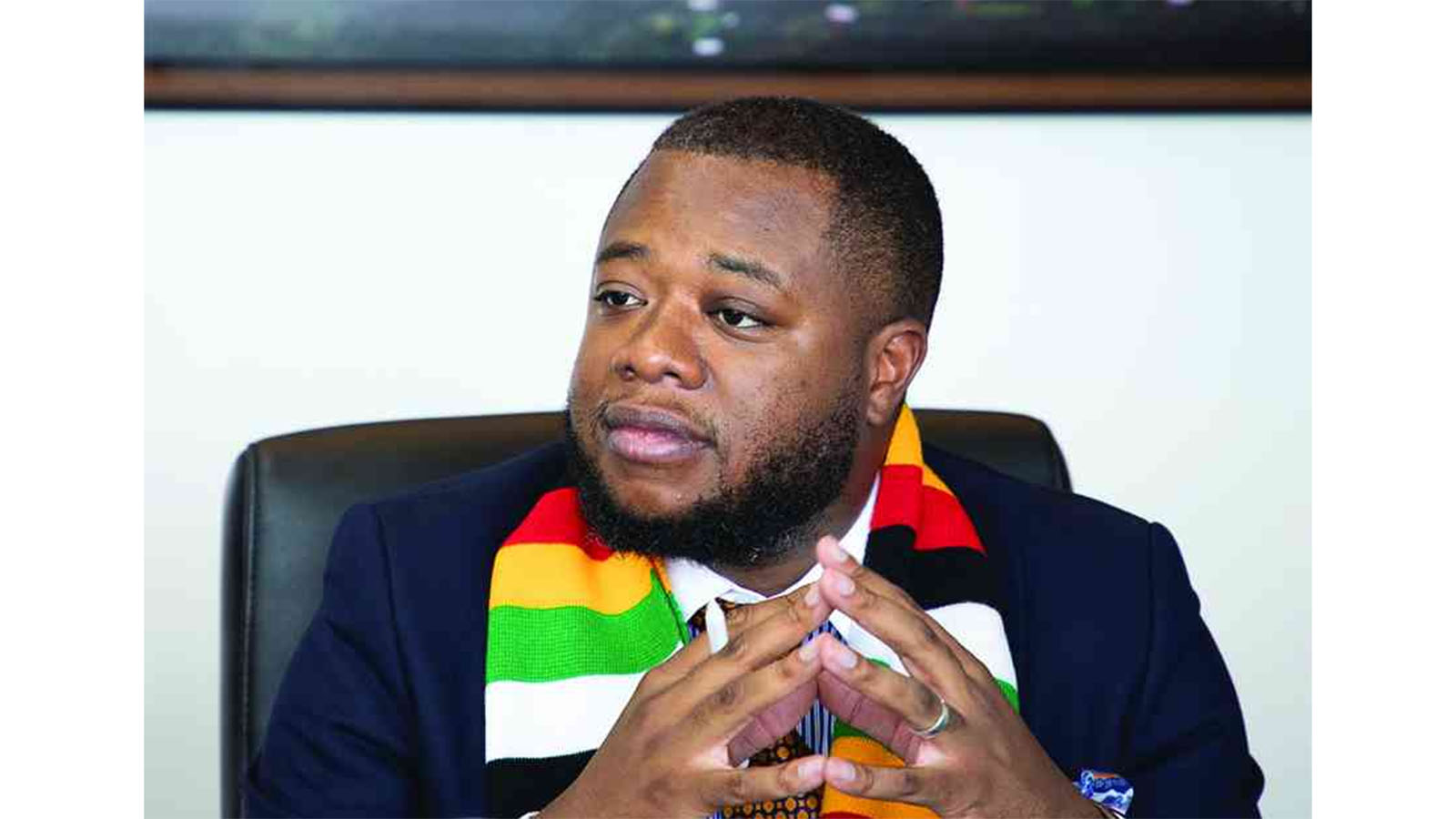
Nqobile Bhebhe
Zimpapers Business Hub
ZIMBABWE must urgently recalibrate its national discourse on debt sustainability and borrowing quality, placing it within the broader context of a global financial system structurally skewed against African economies, Finance, Economic Development and Investment Promotion Deputy Minister, David Mnangagwa, has said.
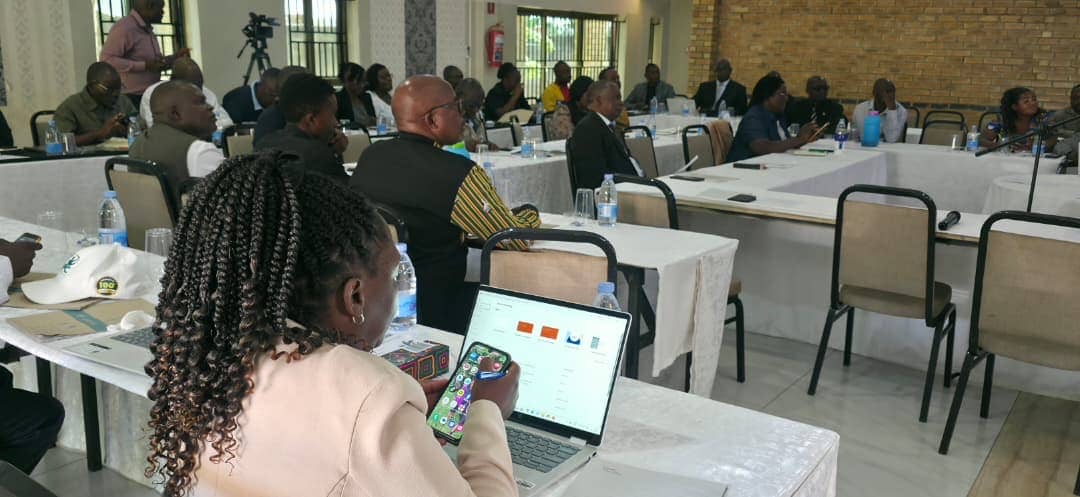
Addressing delegates during the Zimbabwe Economic Development Conference (ZEDCON) 2025 in Bulawayo, which runs from September 16 to 19, Minister Mnangagwa issued a clarion call for a paradigm shift in how debt is understood, managed and deployed.
“African countries are already skewed by the global financial architecture,” he said.
He challenged the prevailing orthodoxy that views borrowing through a narrow lens of fiscal restraint, urging instead a development-centric approach that recognises the strategic imperative of infrastructure-led growth.
“We need to go in further and interrogate the quality of our borrowing more than anything,” he told the high-level gathering.
Minister Mnangagwa warned against the uncritical adoption of externally driven recommendations that fail to reflect Zimbabwe’s unique developmental needs.
“There is a need to borrow for some infrastructure that could pay for itself. How does that add to your debt framework and your debt profile?”
“So, when we have these figures and we recommend that we stop borrowing, we are feeding into a global narrative that is already skewed against us as Africans, as Zimbabweans.”
He advocated for “quality borrowing” targeted investments in transformative projects that yield long-term returns and self-sustainability.
“If we are to borrow beyond the limits, let us borrow for one, two, three, four projects, because this is quality borrowing that will essentially pay for itself.”
Minister Mnangagwa urged African nations to resist externally imposed economic limits that perpetuate underdevelopment.
“We need to expand further and contextualise our solutions to make sure that we do not put ourselves in a cage and confirm what everyone wants to feed in as far as the African debt narrative is concerned.”