Online Reporter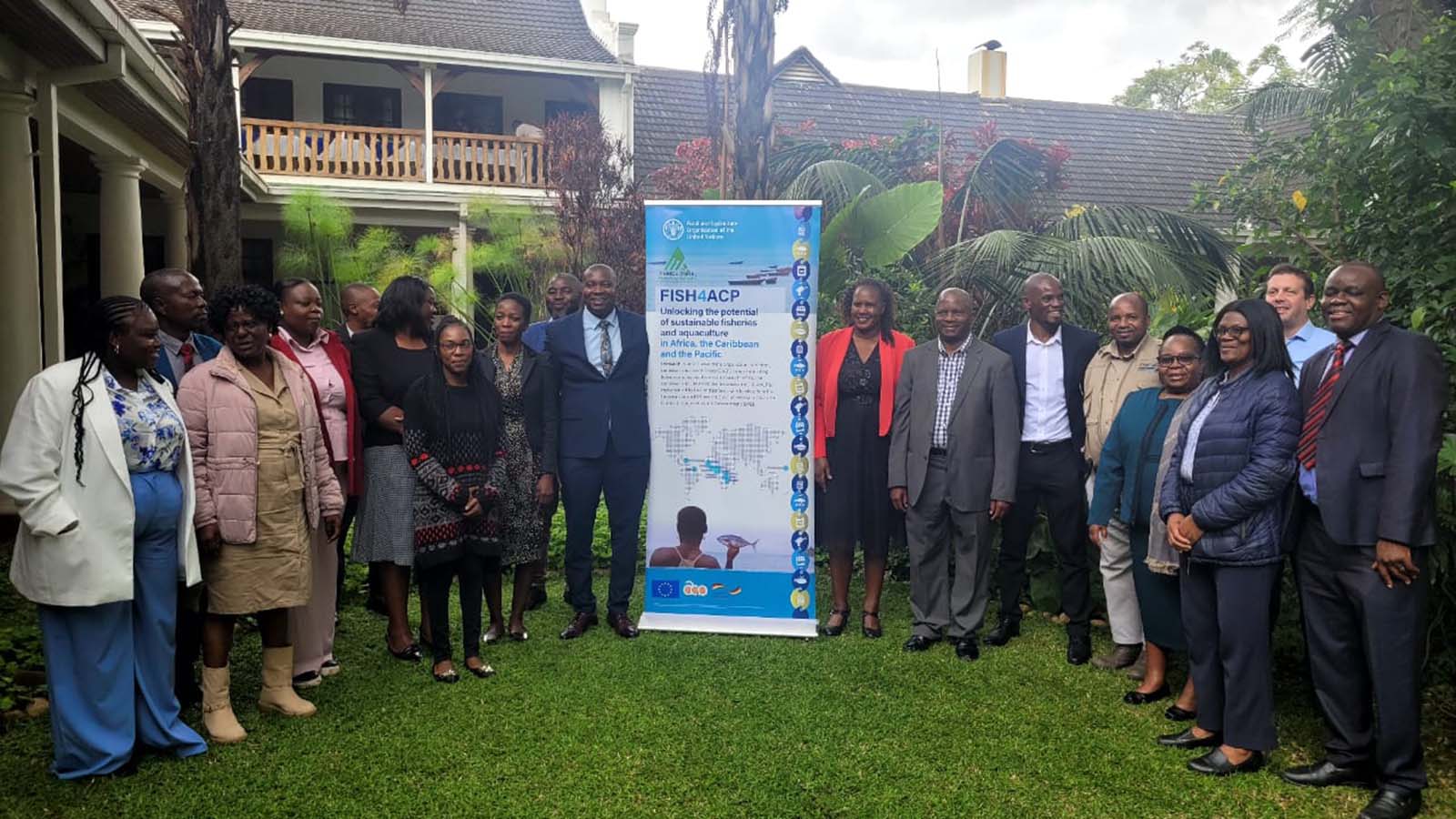
Edgar Vhera Specialist Writer – Agribusiness
Government and stakeholders in the aquaculture sector today gathered in Harare to validate the farmed Tilapia market strategy as part of efforts to achieve a US$1 billion fisheries and aquaculture industry by 2030.
The validation comes after six months of intensive research, which started with an inception meeting, tool design, enumerator training, data collection and strategy consultations with stakeholders.
The meeting was hosted by the Agricultural Marketing Authority (AMA) with technical support from the Food and Agriculture Organisation of the United Nations (FAO) under the Fish4ACP programme and co-financing from the European union (EU) and German Federal Ministry for Economic Cooperation and Development (BMZ).
Officially opening the validation workshop, AMA chief executive, Ms Alice Mapfiza, said the meeting was borne out of a growing interest and commitment towards developing sustainable, competitive and market-oriented aquaculture value chains in Zimbabwe.
“Zimbabwe continues to face a significant fish supply deficit, with local production falling short of national demand. This gap has resulted in increased imports, which present both a challenge and an opportunity for the country,” she said.
“The opportunity lies in the fact that aquaculture has the potential to close this supply gap while simultaneously creating jobs, improving nutrition and stimulating rural economic development.”
Ms Mapfiza said the Zimbabwe Tilapia Value Chain Market Strategy (2026-2030) sought to strengthen producer coordination, improve market infrastructure, enhance value addition and connect farmers to reliable and profitable markets.
AMA business development manager, Mr Edgar Mudokwani, said the sector is targeted to reach US$1 billion by 2030 as guided by Vision 2030, National Development Strategy 2 (NDS 2) and Agriculture Food Systems and Rural Transformation Strategy 2 (AFSRTS 2).
The Government has since initiated Presidential Fisheries Schemes, community fingerlings hubs and initiated an enabling policy environment to encourage strategic partnerships.
“The implementation roadmap for the strategy will grow from foundation (2026), to early value addition (2027), growth (2028) and consolidation (2029/30).“Total fish production increased to 35 515 tonnes in the 2024/25 season against a national demand of 60 000 tonnes, leaving a deficit of around 24 485 tonnes,” he said.
Zimbabwe Fish Producers Association (ZFPA) chairman, Mr Garikai Munatsirei, said as a result of Government and development partner interventions, fish per capita consumption increased to 3,6 kilogrammes from 2,2 kg in the last two years.
Department of Livestock and Fisheries Production director, Mr Milton Makumbe, said the feedback would be incorporated into the final strategy document.
This will help in defining institutional roles and responsibilities and assist the implementation process.
“With this collective effort, I am confident that we will move forward with a strategy that is both practical and inclusive and that will drive sustainable growth in Zimbabwe’s aquaculture sector,” he said while officially closing the validation meeting.